
Yoga is an ancient practice that brings together physical poses controlled breathing and mindfulness techniques. This combination improves your physical strength while also supporting mental clarity and emotional balance. The holistic approach of yoga offers many benefits for your overall health and well-being. Through regular practice you can develop better flexibility and muscle tone. The breathing exercises help reduce stress and calm your mind. Mindfulness techniques teach you to stay present & focused throughout your day. Yoga works on multiple levels at once. Your body becomes stronger & more flexible through the physical poses. Your mind learns to relax and concentrate through breathing work. Your emotions find balance through the meditative aspects of practice. Many people find that yoga helps them manage daily stress more effectively. The practice gives you tools to handle challenges with a calmer mindset. You learn to connect your breath with movement in ways that feel natural and restorative. The beauty of yoga lies in its accessibility. You can start at any fitness level and progress at your own pace. Whether you practice for ten minutes or an hour, the benefits accumulate over time. This makes yoga a sustainable approach to maintaining both physical and mental health throughout your life.
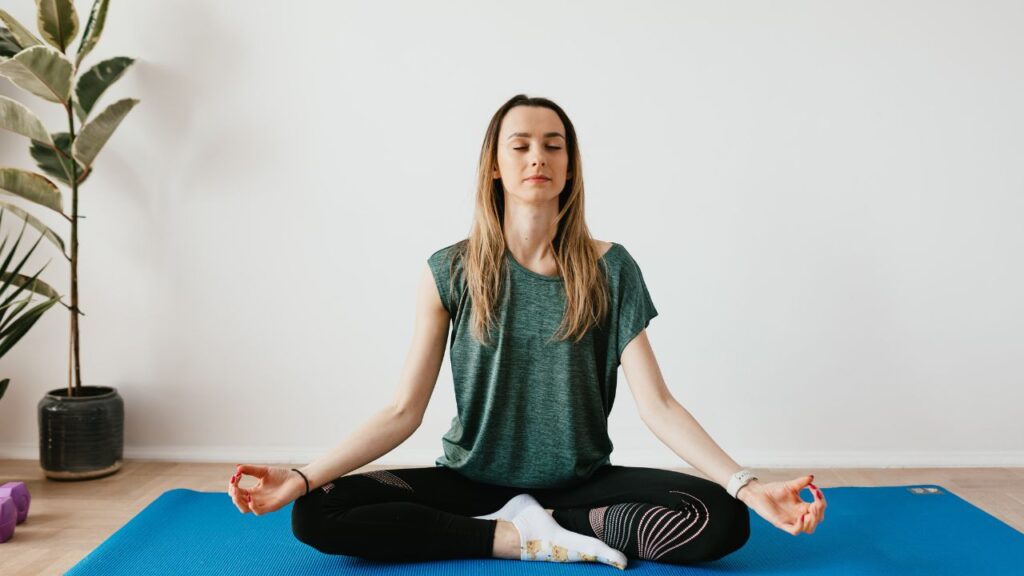
Research shows that yoga does more than improve flexibility & fitness. It genuinely helps people manage stress, anxiety & depression. When you practice yoga regularly you reconnect with your body and slow down racing thoughts. The practice takes a complete approach that helps restore emotional balance. Many people begin yoga for physical reasons but discover its mental health benefits along the way. Yoga creates space for you to notice how your body feels and what your mind is doing. This awareness helps you respond to difficult emotions in healthier ways. The combination of movement breathing and focused attention makes yoga effective for mental wellness.

How Yoga Impacts Mental Health
Yoga affects the nervous system along with brain chemistry & stress hormones to provide benefits that extend past regular exercise. The following explains how yoga helps. Yoga activates the parasympathetic nervous system which is responsible for rest and recovery. This activation reduces cortisol levels and lowers the body’s stress response. When you practice yoga regularly your body learns to stay calmer during stressful situations. The physical postures in yoga release tension from muscles where stress accumulates. This physical release sends signals to your brain that it is safe to relax. The breathing exercises used in yoga also slow down your heart rate and signal your nervous system to shift into a more peaceful state. Yoga increases production of GABA which is a neurotransmitter that helps regulate mood and anxiety. Studies show that people who practice yoga have higher GABA levels compared to those who do other forms of exercise. This chemical change in the brain directly reduces feelings of anxiety and promotes emotional balance. The meditation and mindfulness aspects of yoga train your brain to focus on the present moment rather than worrying about future events or past experiences. This mental training creates new neural pathways that make it easier to manage anxious thoughts over time. Regular yoga practice also improves sleep quality which is essential for managing anxiety. Better sleep helps regulate emotions and gives your body time to recover from daily stress. The combination of physical movement and mental focus makes yoga particularly effective for long-term anxiety management.

Best Yoga Poses For Beginners To Improve Flexibility And Strength
Key Facts And Figures From Research
1. Proven Effects On Stress
# The Benefits of Yoga for Mental Health

A research study conducted in 2026 provides solid evidence that yoga works well as a tool for managing stress. The study focused on adult participants & examined how regular yoga practice affected their mental wellbeing. The findings showed that people who practiced yoga experienced notable reductions in their stress levels. Beyond just stress relief, the research also documented improvements in symptoms related to anxiety & depression. These mental health benefits appeared consistently across the study participants. The study adds to the growing body of scientific evidence supporting yoga as a legitimate approach to mental health care. For adults dealing with everyday stress or more serious anxiety & depression symptoms, yoga appears to offer real therapeutic value. The practice combines physical movement with breathing techniques and mindfulness which together seem to create positive changes in mental state. This research matters because it gives healthcare providers and individuals another validated option for addressing common mental health challenges. While yoga should not replace professional mental health treatment when needed, it can serve as an effective complementary practice or preventive measure for maintaining psychological wellness.
2. Anxiety And Depression Reduction
A randomized clinical study showed that an 8‑week structured yoga program significantly reduced stress, anxiety, and depression while improving physiological health markers such as heart rate and blood pressure among students.
3. Women’s Mental Health
In another study with 52 women, 12 sessions of regular hatha yoga three times a week led to significant decreases in depression, anxiety, and stress scores.
The Unexpected Benefits People Notice After 7 Days Of Yoga
4. Brain And Cognitive Benefits
Yoga helps maintain emotional health and encourages the formation of new connections between brain cells. These new connections improve memory & make it easier to focus and think clearly. Regular yoga practice strengthens the brain in ways that support better cognitive function over time.
How Yoga Words To Reduce Negative Emotions
Breathing And Mindfulness
Yoga’s controlled breathing (pranayama) and meditation practices help the mind slow down, reduce worry, and improve focus, thereby reducing anxiety and rumination.
Hormone Regulation
Regular yoga practice leads to lower cortisol levels, the body’s main stress hormone, and promotes a state of calmness and emotional balance.
Neurochemical Support
Yoga helps the brain release neurotransmitters such as dopamine and serotonin that make people feel better. These chemical messengers are important for controlling mood and reducing symptoms of depression.
Practical Ways To Start Yoga For Mental Health
To get real benefits, consistency matters. Experts recommend:
- Starting with 2–3 sessions per week
- Including breathing techniques and meditation
- Combining yoga with other self‑care like proper sleep and healthy nutrition
- Practicing in a structured class or with a trained instructor
Studies suggest at least 8 weeks of regular yoga practice for noticeable improvements in mental health.
Yoga is not only a form of physical exercise — it’s a holistic approach that can help manage stress, reduce anxiety, and support depression relief.
Scientific evidence shows that yoga can positively change hormonal responses along with brain function and emotional well-being. This happens through mindful movement combined with breathing techniques and meditation practices.
Yoga provides a natural way to support mental health when you practice it regularly alongside other healthy habits. You can do it for 20 minutes each day or just a few times during the week & still see benefits. This approach works well as an addition to your overall wellness routine.
FAQs
Can yoga replace medication for depression or anxiety?
Yoga can support mental health but should not be used as a replacement for medication unless advised by a healthcare professional. It works best as a u003cstrongu003ecomplementary practiceu003c/strongu003e alongside treatment.

How long does it take before yoga starts reducing stress?
Some people notice stress relief even after a single session, but u003cstrongu003eregular practice for 6–8 weeksu003c/strongu003e is recommended for lasting emotional benefits.
Is yoga suitable for beginners with severe anxiety or depression?
Beginners can definitely start practicing gentle yoga along with breathing exercises and guided meditation sessions. However it is important to consult with a healthcare provider first if you are experiencing severe symptoms.
Related Posts
Best Yoga Poses For Beginners To Improve Flexibility And Strength
The Unexpected Benefits People Notice After 7 Days Of Yoga
Most People Do Yoga Wrong—Here’s The Right Way To Start
This Is Why Yoga Works Even When Nothing Else Does
Why Your Body Responds To Yoga Faster Than Other Workouts
# Understanding How Yoga Helps with Mental Health
Yoga has become a popular way to manage stress and improve mental wellbeing. Many people turn to yoga when they feel anxious or overwhelmed by daily pressures. The practice combines physical movement with breathing techniques and meditation to create a sense of calm.
## How Yoga Reduces Stress
When you practice yoga regularly you give your body a chance to relax and reset. The gentle stretches and poses help release tension that builds up in your muscles throughout the day. Your breathing slows down and becomes more controlled which signals to your brain that it is safe to relax.
## Yoga as a Tool for Managing Anxiety
People who struggle with anxiety often find relief through yoga practice. The focus required during yoga helps quiet racing thoughts and brings attention back to the present moment. Specific poses can activate the parasympathetic nervous system which naturally reduces feelings of worry and panic.
## Supporting Depression Recovery with Yoga
Yoga can be a helpful addition to traditional depression treatment. The physical activity releases endorphins that improve mood while the mindful aspect helps break negative thought patterns. Regular practice creates structure & routine which many people find beneficial when dealing with depression.
## Specific Poses That Help
Certain yoga positions are particularly effective for mental health support. Forward bends tend to have a calming effect on the nervous system. Gentle backbends can help lift mood & increase energy. Restorative poses allow the body to fully relax and recover from stress.
## Building a Consistent Practice
The benefits of yoga for mental health become more noticeable with regular practice. Even short sessions of fifteen to twenty minutes can make a difference. Finding a style & teacher that matches your needs helps maintain motivation and commitment to the practice.
