
# How Colors Can Make You Look Older Than You Really Are Colors do more than just make your wardrobe look nice. They actually affect how young or old you appear to other people. Research shows that some colors can make tired features more obvious or change how people guess your age. In India these effects can be stronger because of different skin tones & the way natural light works in different regions. ## Why Dark Colors Can Add Years Black and very dark shades often make you look older. These colors create harsh lines around your face and can make shadows under your eyes and around your mouth more visible. Dark colors also reduce the natural contrast between your skin and clothing. When you wear black near your face it can make your skin look duller and highlight any fine lines or wrinkles you might have. Navy blue and dark brown can have similar effects. While these colors look professional & elegant they can drain color from your face if you have lighter skin. For people with medium to dark skin tones these shades might work better but they still need to be balanced with brighter accessories near the face. ## The Problem with Dull Earth Tones Beige & tan colors seem safe but they often make people look washed out. These neutral shades can blend too much with your skin and create a flat appearance. When your outfit has no contrast or visual interest it can make you seem tired and older. Olive green & muddy browns fall into the same category. These muted earth tones can make your complexion look sallow or yellowish. They work better as accent colors rather than wearing them close to your face. ## Bright Colors That Backfire Neon colors and extremely bright shades can actually work against you. Hot pink and electric yellow reflect harsh light onto your face. This reflection can emphasize skin texture problems and make any redness or uneven skin tone more noticeable. Very bright orange is particularly tricky for most Indian skin tones. It can clash with natural undertones & create an unflattering effect that draws attention to imperfections rather than your best features. ## Gray & Its Aging Effect Gray clothing can be surprisingly aging. Light gray often makes people look washed out while dark gray can have the same harsh effect as black. Gray reflects a dull light that does not flatter most complexions. It can make your skin look tired and emphasize any darkness under your eyes. ## Better Color Choices for a Youthful Look Soft jewel tones like emerald green and sapphire blue tend to be more flattering. These colors have enough richness to create interest without being harsh. They complement most Indian skin tones and bring out natural warmth. Warm colors like coral and soft peach work well because they reflect a healthy glow onto your face. These shades mimic the natural flush of youthful skin. Rich burgundy and deep teal also create a sophisticated look without adding years. Pastels can work if you choose the right intensity. Dusty rose and soft lavender are better choices than pale washed-out versions. The key is finding colors with enough depth to create some contrast. ## How to Test Colors for Yourself Stand in natural light and hold different colored fabrics near your face. Notice which ones make your skin look brighter and which ones make you look tired. Your eyes should look clear and your skin should have a healthy appearance with the right colors. Pay attention to how colors work with your specific undertones. If you have warm undertones you will look better in colors with yellow or golden bases. Cool undertones work better with colors that have blue or pink bases. The distance of color from your face matters too. A color that looks harsh as a shirt might work perfectly as pants or a skirt. You can wear aging colors away from your face & use scarves or jewelry to bring flattering shades closer to your complexion. Understanding how colors affect your appearance helps you build a wardrobe that makes you look vibrant and youthful. The goal is not to avoid certain colors completely but to know how to use them in ways that enhance rather than age your appearance.
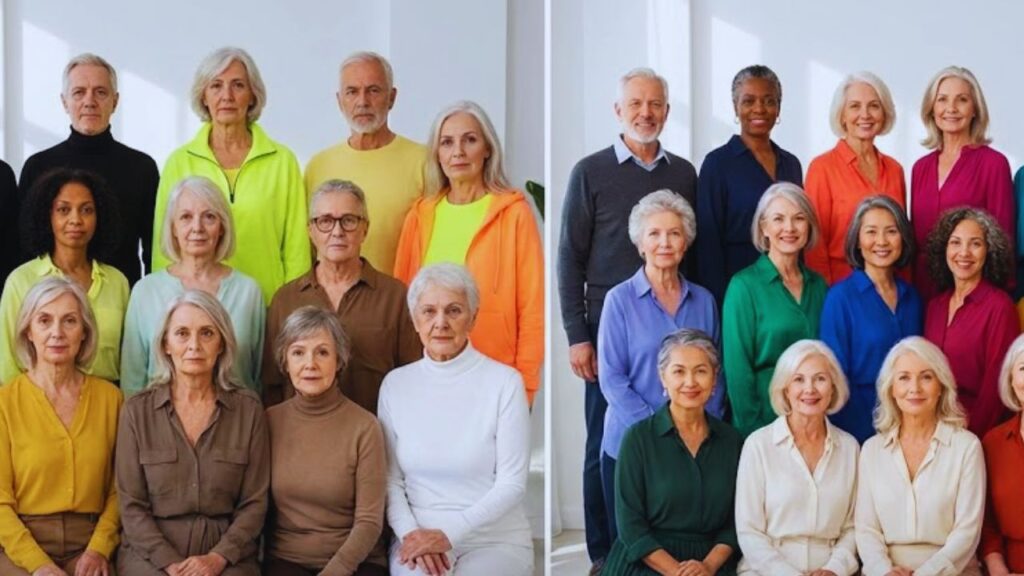
Colours that make us look older through dull tones
Psychologists observe that colours with dull undertones tend to diminish the natural radiance of the face & make skin look duller. Shades such as dusty grey or muted olive or faded taupe can sap visual energy when positioned near the face. These colours produce heavy neutrals that reduce the contrast between skin and hair and eyes in ways our brains link to getting older. When contrast decreases facial features appear less sharp and create a flat contrast effect. This visual flattening over time can highlight lines & shadows and generate a shadowed complexion that quietly suggests age instead of vitality.

How washed-out colours influence age perception
# Rewritten Text From a psychological perspective, washed-out shades tend to suggest tiredness or a worn-out appearance. Shades such as pale brown or greyish beige can merge with natural skin tones that are typical in India. This merging produces muddy browns and faded beiges that do not define the face properly. When colors lack vibrancy, our minds associate them with low saturation & aging. Rather than highlighting facial features these shades soften them and can make someone look older than their actual age.

Dark colours that psychologically age appearance
Dark colours often look elegant but research suggests they can make you appear older when you wear them too much. Harsh blacks for instance produce sharp contrast that draws attention to wrinkles and skin texture in daylight. The same applies to deep maroons & very dark browns which carry aging associations associated with seriousness and authority. These shades project confidence but they also bring formal rigidity that we typically associate with older people. When you don't mix in lighter or warmer tones dark colours can make your facial features look harder rather than softer.

Summary or Analysis
Psychology shows that looking older has less to do with actual age and more to do with the visual cues our brain processes instantly. When you wear colors that are dull or extremely dark or faded your face loses contrast & appears less vibrant. Selecting colors that work with your natural features does not require eliminating neutrals or darker shades entirely. It simply means being more deliberate about your choices. A color palette that matches your skin tone & suits the lighting & setting can make you look more youthful and energetic without requiring any changes to your personal style.
| Colour Type | Psychological Effect | Why It Ages Appearance |
|---|---|---|
| Dull Greys | Reduces facial contrast | Makes skin look tired |
| Washed-Out Beige | Blends with skin tone | Removes visual sharpness |
| Dark Black | Highlights shadows | Emphasizes lines |
| Deep Brown | Signals seriousness | Creates mature impression |
| Muted Olive | Dulls complexion | Reduces brightness |
Frequently Asked Questions (FAQs)
1. Do dark colours always make you look older?
No, they only age appearance when overused or worn without lighter contrast.

2. Can skin tone change how colours affect age perception?
Yes, undertones strongly influence whether a colour looks aging or flattering.
3. Are neutral colours bad for looking youthful?
Not at all, but they should be balanced with brighter or warmer accents.
4. Does lighting affect how colours make us look older?
Yes, poor lighting can amplify dull and dark tones, making them appear aging.
