
With billionaires experimenting with biohacking during a wellness boom and more people interested in exercises for longevity it seems we are paying more attention to our health than ever before. You might not be focused only on living longer but exercise clearly helps you stay mobile and independent while reducing disease risk as you age.
Do Longevity Exercises Really Extend Life?
Humans were designed to move their bodies regularly. Experts believe that regular exercise that raises your heart rate is just as important for a long life as eating well & avoiding cigarettes and alcohol. Dr Alka Patel is a longevity and lifestyle doctor who founded the Million Hour Club. She says exercise is not just about appearance. It keeps your mitochondria functioning properly and reduces inflammation while maintaining heart strength for years ahead. If you want to live longer then movement is your medicine.
Dr Kai Koch is a consultant physician at Marylebone Health who shares this view. He points to World Health Organization data showing almost one third of adults worldwide do not get enough physical activity. This figure has risen by about 5% over the past decade and is expected to reach 35% by 2030 if trends continue. Physical activity is now recognized as the most important lifestyle factor for improving overall health outcomes.
Muscle mass is also important. Rhodri Whittaker is a personal trainer at Absolute Body Solutions who describes muscle mass as the body’s armor. Muscle serves many purposes but it provides physical protection to bones and joints which increases your ability to survive falls. The more muscle you maintain as you age the better your chances of staying healthy.

The Science Behind Living Longer
Before we look at what you should be doing and when you exercise it helps to understand the many ways a good workout can benefit you both now and later. There is plenty of research on this topic. A study in the British Journal of Sports Medicine showed that doing 150 to 300 minutes of moderate exercise or 75 to 150 minutes of intense exercise each week leads to the best reduction in death rates and supports current exercise recommendations. Exercise also helps slow down one of the main signs of aging. Experts like Patel believe that telomeres are largely responsible for showing age.
These are the protective caps at the ends of chromosomes. Our telomeres get shorter as we get older & currently there is no way to reverse this process. However we can slow it down. Patel explains that a study in Oncotarget showed that adults who exercise regularly had much longer telomeres than people who do not exercise. This suggests that exercise helps people live longer at the cellular level. Beyond telomeres, how does exercise help you live longer? Patel says that exercise triggers many biological benefits that improve both how long you live and how healthy you are while living.
These benefits include:
Mitochondrial Biogenesis: Patel notes that exercise helps create new mitochondria which increases energy production and reduces oxidative stress. This is important for slowing aging at the cellular level.
Insulin Sensitivity: Regular exercise helps the body respond better to insulin. This helps control blood sugar & lowers the risk of type 2 diabetes which is connected to faster aging.
Inflammation Reduction: Chronic inflammation drives aging and disease. Exercise changes inflammatory pathways & reduces markers like CRP & IL-6.
Neuroprotection: Patel says that physical activity increases brain-derived neurotrophic factor or BDNF. This supports brain cell health and mental function which is essential for lowering dementia risk and keeping your mind sharp. In simple terms, exercise is good for your brain too.
When Exercise Might Backfire
We all finished a run and felt like our knees & lungs belong to someone much older. Does that mean we are actually healthy? Some athletes joke that their sport makes them age faster than other people. They are not talking about fitness but about how their wrists and backs and ankles and elbows hurt from doing the same movements over & over. Patel explains that there is a paradox at work here. Exercise creates inflammation in the body & chronic inflammation speeds up aging.
The trick is finding the right amount of exercise that helps your body adapt without causing too much damage. Exercise is supposed to damage your muscles a little bit. That is how we build strength. Inflammation sends building materials to the damaged areas so they can repair themselves and stay protected during the process. But inflammation is also linked to serious health problems including cancer. So what should we do? Patel asks how you can tell if you are exercising the right amount.
There are several methods you can use. You can buy a kit that measures your biological age & reduce your workouts if the numbers look bad. You can track heart rate variability since low HRV means your body is not recovering well. You can also measure your VO2 Max which tests how much oxygen your body uses during exercise. Patel says this is the best predictor of longevity because it shows cardiorespiratory fitness.
 Simple Morning Hydration Routine That Enhances Skin Glow and Sustains Energy Throughout the Day
If your test results are worse than you want them to be then you should exercise less. Working with a physiologist can help you figure out what approach suits you best. Whittaker offers one more suggestion which is sleep. He says it is far more important for recovery than cold plunges or red light therapy or Theraguns or any other popular recovery methods. If you feel sore then sometimes all you need is a good night of rest. They’ve
Easy Ways to Stay Active Every Day
Going to the gym or running a few times each week is excellent and will significantly improve your wellbeing and longevity. However moving more should not be limited to specific exercise sessions. You should aim to increase movement throughout your entire day. Koch offers several suggestions: Reduce sedentary time. You might want to try using a standing desk or sitting on an exercise ball instead of a regular chair. Taking regular movement breaks can help counter the negative effects of sitting at a desk for extended periods each day.
Add exercise snacks to your routine. Look for simple opportunities to include brief physical activities in your daily schedule. You could do bodyweight squats while waiting for the kettle to boil or walk or cycle part of your commute to work. Instead of meeting friends for coffee while sitting down you could suggest taking a walk together. Increase social connections. While this is not directly related to exercise Koch points out that loneliness is strongly linked to shorter lifespans.
Research by Holt-Lunstad found that social isolation can raise the risk of death from any cause by as much as 50 percent. Making an effort to be friendly and connect with others could extend both your life and the lives of those around you. Manage stress levels. Mental health and physical health are closely connected and both affect how long we live. Koch explains that there is a clear relationship between psychological distress and lifespan. The more chronic stress you experience the higher your risk of early death becomes. If you already stretch after exercising consider adding just five minutes of deep breathing exercises to support your mental health as well.
Top Exercises That Promote Longevity
We have covered numerous subjects but the core message remains straightforward: physical movement is essential. Jim Pate serves as a senior physiologist at Marylebone Health. He recommends completing three to four cardiovascular sessions per week. Two sessions should run under 30 to 45 minutes with higher intensity levels. The remaining two sessions should extend longer while maintaining a consistent moderate pace. Also you should incorporate two strength training sessions into your routine. One session should concentrate on isolated exercises targeting particular muscle groups. The second session should follow a circuit format containing four or five different exercises. Every exercise within the circuit should involve performing 15 repetitions or more.
Your circuit might look something like this:
Squats According to Pate squats make use of the leg muscles and can be adapted to all levels of ability and strength. They involve several major muscle groups and relatively large muscle mass is involved in the movement. This results in a stronger training stimulus to build muscle.
Lunges Pate explains that a lunge replicates the natural motion of walking. The asymmetric stance during a lunge creates a stability challenge and improves balance. It also works muscle groups differently compared to a symmetrical stance exercise like the squat.
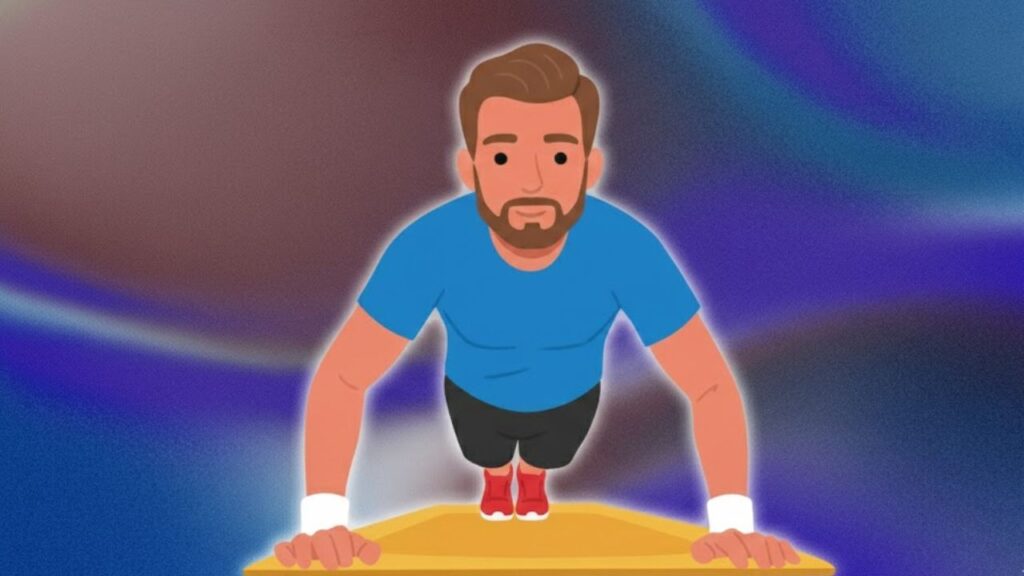
Push ups These are an excellent way to build and maintain upper body strength and function according to Pate. The exercise is relative to body weight which makes it very functional. It is also easily adaptable to different abilities.
Pull exercises Pate says these are a huge part of functional movement. Grip strength or static hanging time have been shown to be good markers of overall fitness & therefore longevity. Rowing exercises oppose pushing movements which helps to maintain good shoulder health and function.
Plank Core strength has become a real focus says Pate. A good plank can be held for about two minutes and is a sign that the core muscles have endurance required for long duration activity. Finally Whittaker recommends adding in a weekly yoga session but done in a small group. The pilates and yoga trend we are seeing is great for a 20-something individual with supple joints and forgiving muscles and tendons. However the injuries we are starting to see in myself included as a PT with my clients are overstretching in the achilles and hip flexors he says. Smaller classes give the instructor more time to focus on your needs and help you stay active for longer.
Other Key Tips for a Longer Life
The final point is fairly straightforward: everyone gets older and while we can work to remain active as long as we can eventually time catches up with all of us. Coming to terms with this reality and recognizing our physical limits while maintaining a regular exercise routine is essential for growing older with grace. Whittaker explains that when people are young they tend to be motivated by appearance but priorities change with age. The emphasis shifts toward preventing injuries to maintain mobility for as long as possible. However it’s also important to find enjoyment in physical activity. Consider what activities bring you pleasure since walking is an excellent choice and you might even challenge yourself by taking a hike along the shoreline.
