In psychology the practice of giving human thoughts and emotions to animals is called anthropomorphism. For a long time experts considered it a harmless habit that seemed a bit silly. But recent research tells us something quite different. People who talk to their pets as though the animals completely understand them tend to show better emotional awareness and form stronger relationships. They also manage stress more effectively than those who do not engage in this behavior. Studies indicate that treating pets as conversation partners creates real psychological benefits. When someone explains their day to a dog or asks a cat for advice they are actually processing their own thoughts & feelings out loud. This verbal expression helps people work through emotions and gain clarity about their experiences. The act of speaking to animals also strengthens the bond between owner and pet. Animals respond to tone and body language even when they cannot understand words.
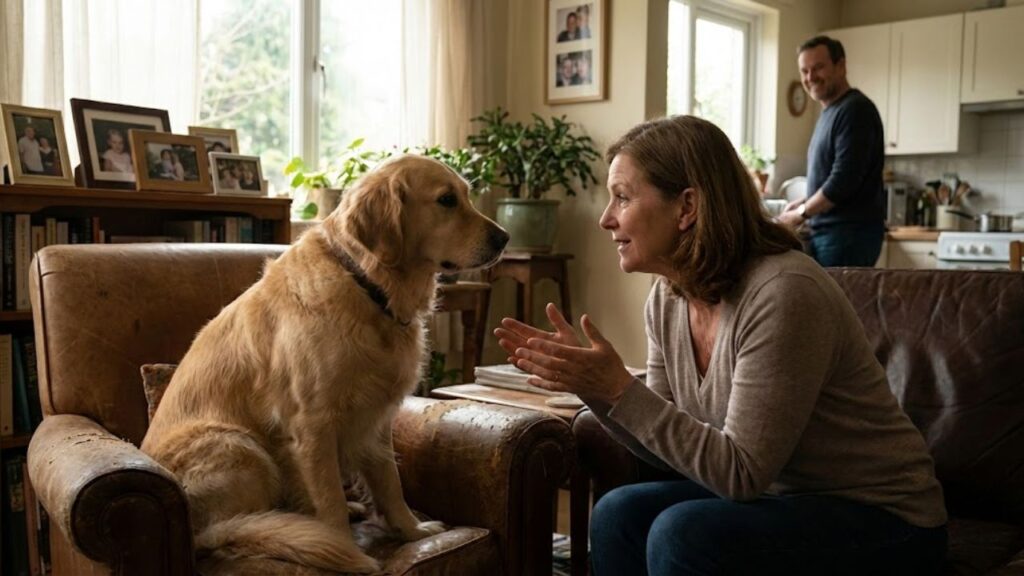
Why Speaking to Pets Goes Beyond a Simple Cute Habit
1. A Natural Ability to Form Connections People who talk to animals like they are human often notice bonds that others overlook. They quickly read body language and emotional signals and understand tone. A dog wagging its tail or a cat blinking slowly or a rabbit staying still means something clear to them. They respond like they are having a real conversation. This skill usually shows up in their human relationships too. Friends feel heard and colleagues feel comfortable around them. They rarely miss signs of tension or discomfort. Treating a pet as someone to talk to often shows a strong ability to build and keep meaningful relationships.
2. Strong Emotional Intelligence Emotional intelligence means recognizing & managing emotions in yourself and others. People who talk to their pets often use them as a safe place to express feelings. They might say things like “I’m overwhelmed today” or “That really upset me.” Sharing feelings with a pet can feel safer than telling another person. This habit slowly builds emotional awareness & helps people get better at putting words to complex emotions and noticing emotional signals in others and calming themselves after stress & offering real comfort. What looks like a one-sided conversation is actually quiet daily practice for handling emotions.
3. Naturally Creative Thinking Speaking thoughts out loud can improve mental clarity even without getting a response. Research shows that self-talk helps with planning and memory and solving problems. For many pet owners animals become informal thinking partners. Explaining a problem out loud helps sort out priorities and find gaps in reasoning and discover new solutions. It works like talking to a trusted listener who never interrupts or judges.
4. Deep and Effortless Empathy Empathy means sensing emotional states & responding in the right way. People who talk to pets this way usually do it without thinking. They notice changes in behavior or mood or routine and adjust how they act. They use softer voices or give reassurance when needed. This empathy toward animals usually matches how they treat people & makes them a source of calm understanding when times are hard.
5. A Subtle Form of Mindfulness Mindfulness means staying fully present without letting your mind race ahead. Spending time with pets naturally creates this state. While telling a pet about their day people often focus on physical things like warmth or sound or breathing rhythm. Distractions fade away even if just for a moment. These small breaks can lower stress and help reset the nervous system.
6. Fewer Emotional Filters Most people edit themselves carefully in social situations. With pets those filters vanish. Speaking freely to an animal allows complete emotional honesty without worrying about judgment or consequences. This safe space encourages authenticity and can later help people be more genuine with trusted friends.
7. A Strong Caregiving Instinct People who bond closely with pets often feel deeply responsible for them. They see their animals as family members who need their care. This shows through careful routines and reassurance during stress & constant concern for their wellbeing. The same instinct often appears in human relationships where they naturally support & protect and nurture others. They anticipate needs and offer comfort and respond calmly to problems and stay present during hard times.
8. Comfort With Solitude Talking to a pet might seem like loneliness but it usually shows comfort with being alone. These people can spend time by themselves without feeling isolated. A pet offers companionship without emotional demands. This balance lets them recharge while keeping healthy social connections.
How Talking to Animals Can Support Emotional and Mental Health
These characteristics do not remove mental health struggles entirely but they do affect the ways people manage difficult emotions. People who spend time with pets often experience less loneliness and find their daily activities more fulfilling. They can express emotions naturally without holding them back & they gain a sense of meaning through taking care of another living being. Animals are frequently brought into therapy environments for these same reasons because they help people regulate their emotions and learn to trust again. How These Qualities Show Up in Daily Life Coming Home After a Hard Day at Work Someone might talk to their pet as soon as they walk through the door after a stressful shift. While they share what happened during the day their breathing becomes slower and the emotional pressure they felt starts to fade. Thinking Through Important Choices When someone needs to make a significant decision they might talk through the different options with their pet nearby. This process helps them figure out which worries are based on real concerns and which ones come from fear. Having a living creature that responds to them in some way often makes their thinking clearer.
Psychological Concepts That Help Explain This Behaviour
Anthropomorphism means giving human characteristics or feelings to things that are not human. Animals do have emotions but they work differently than ours. When we treat pets like people it usually shows we have empathy and an active imagination. Attachment is the emotional connection we build with important beings in our lives. Having a secure attachment to a pet is normal and considered healthy. Making This Habit More Meaningful If you recognize this behavior in yourself there are simple ways to make these conversations with your pet more valuable: Also read How to Eliminate Moss from Your Lawn Naturally and Effectively? Say your emotions out loud in clear terms Pay attention to how your body feels when you talk Be honest and do not hold back your thoughts Take care of yourself as much as you care for your pet Talking to pets as if they were human might always look strange to other people. But this habit often comes from empathy and creativity & loyalty & being comfortable alone without feeling isolated. For many people these quiet talks are not just sweet moments but a regular way to connect with their own thoughts and feelings.