
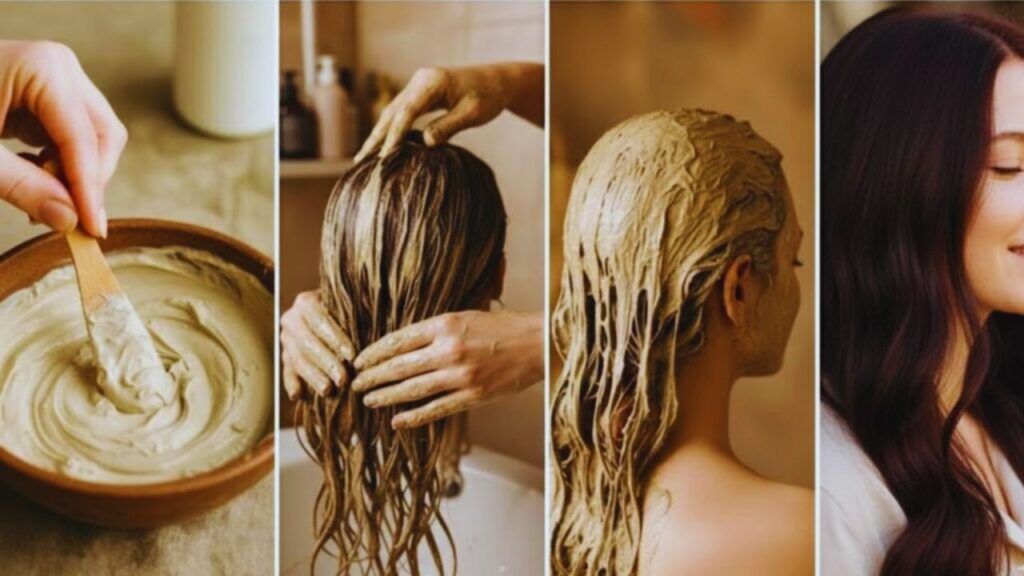
The first time you use henna the kitchen becomes a warm earthy space with the smell of wet soil and dried leaves. A ceramic bowl contains thick glossy green paste that looks like melted chocolate mixed with plants. When you scoop the paste with a brush & spread it through your hair the cool texture feels soothing on your scalp. The henna slowly stains your hair and hands and creates a feeling of wonder and connection to a natural beauty ritual that seems very different from regular chemical dyes.
Henna: A Gentle, Chemical-Free Hair Alternative
Modern hair dye aisles can feel overwhelming because of their strong chemical smells and long lists of warnings & synthetic ingredients. Henna provides a natural alternative that people have used for centuries. It comes from the Lawsonia inermis plant and contains a pigment called lawsone that attaches gently to the keratin in your hair. Instead of stripping your hair like chemical dyes do henna coats each strand & leaves it stronger & shinier with a healthier texture. The natural earthy smell resembles tea leaves rather than artificial perfume and makes the coloring process feel like a calming ritual instead of something you need to rush through. Henna adds color while actually nourishing your hair and creates a mindful natural experience that feels completely different from using chemical formulas.
 20 Small Daily Habits That Quietly Improve Inner Peace Emotional Balance and Long-Term Happiness
How to Choose Pure, High-Quality Henna
The quality of henna determines how well it works. Real henna is completely pure powder without any metallic salts or artificial dyes mixed in. Stay away from compound hennas because they usually have hidden chemicals. Good quality henna feels soft and fine & smells fresh and grassy without any fake shine. Fresh henna matters because old henna does not stain as well. When you buy good henna you are choosing a plant that was grown and prepared carefully. This gives you better and more reliable results. Using henna becomes more than just coloring your hair. It turns into a gentle ritual that connects you with nature.

Setting Up Henna at Home: Essential Tools
Henna requires minimal equipment: a glass or ceramic bowl, spoon, gloves, brush, plastic wrap, and an old towel. Avoid reactive metals and protect skin and clothing. Patience is essential, as henna develops over hours rather than minutes. The process feels like slow cooking, deliberate and rewarding. Using plant-based powders like amla, indigo, or cassia allows you to customize shades from warm copper to deep brown, while additions like essential oils enhance aroma and scalp care. The journey of applying henna is as calming as it is transformative.
Gradual Coloring for Long-Lasting Shine
Henna builds color gradually, adding depth and gloss over successive applications. Light hair warms to golden-copper tones, medium hair shifts to chestnut, and dark hair reveals subtle red highlights. Grays blend as natural accents, creating a dynamic, living color. Safety is important: perform patch tests, protect the hairline, and be mindful of previous chemical treatments. Aftercare involves careful rinsing, avoiding shampoo for 24 hours, and using gentle cleansing routines. Henna encourages patience and mindfulness, resulting in a vibrant, healthy shine and a personalized, natural hue.
Henna Recipes and Customizing Your Shade
For warm copper tones, mix pure henna with strong, warm tea to a yogurt-like consistency. Adding lemon juice or apple cider vinegar can enhance color release. Rest the mixture for 4–8 hours before applying for 2–4 hours. Bright orange tones fade over days into rich auburn. For brown or darker shades, a two-step approach works best: apply henna first, then indigo. For subtle effects, a henna gloss with a silicone-free conditioner creates shine and mild warmth without drastic change. Layering gradually allows personalized depth and control over the final shade.
Aftercare Tips for Healthy, Vibrant Hair
Rinsing henna requires patience, using warm water to remove residue. Avoid shampooing immediately to let the color settle. Over days, the shade deepens, providing long-lasting color and shine. Regular touch-ups or gloss treatments maintain evenness while preserving hair health. Henna works in harmony with your natural strands, highlighting grays rather than hiding them. By embracing this plant-based alternative, hair gains strength and luster while you enjoy a calm, thoughtful beauty ritual that reconnects you with nature and time-honored traditions.
| Ingredient | Main Advantage | Best Suited For |
|---|---|---|
| Amla Powder | Cools red tones to a balanced auburn shade | Light to medium hair aiming for natural brown-red tones |
| Indigo Powder | Darkens henna results to deep brown or black | Strong gray coverage or rich brunette goals |
| Cassia (Neutral Henna) | Delivers gloss with mild golden warmth | Light or blonde hair seeking shine without color change |
| Black Tea / Coffee | Boosts richness and hair depth naturally | Medium to dark hair needing enhanced intensity |
| Chamomile Tea | Brings out golden, sunlit highlights | Lighter shades looking for a soft brightening effect |
| Aloe Vera Gel | Deeply hydrates and smooths frizz | Dry, curly, or chemically damaged hair types |
