
You reheat them. They’re good. Not as good as yesterday, but good. A few hours later, you zap what’s left again. This time the sauce looks dull, the chicken feels rubbery, the pasta is on the edge of mush. Same dish. Same kitchen. Completely different experience.
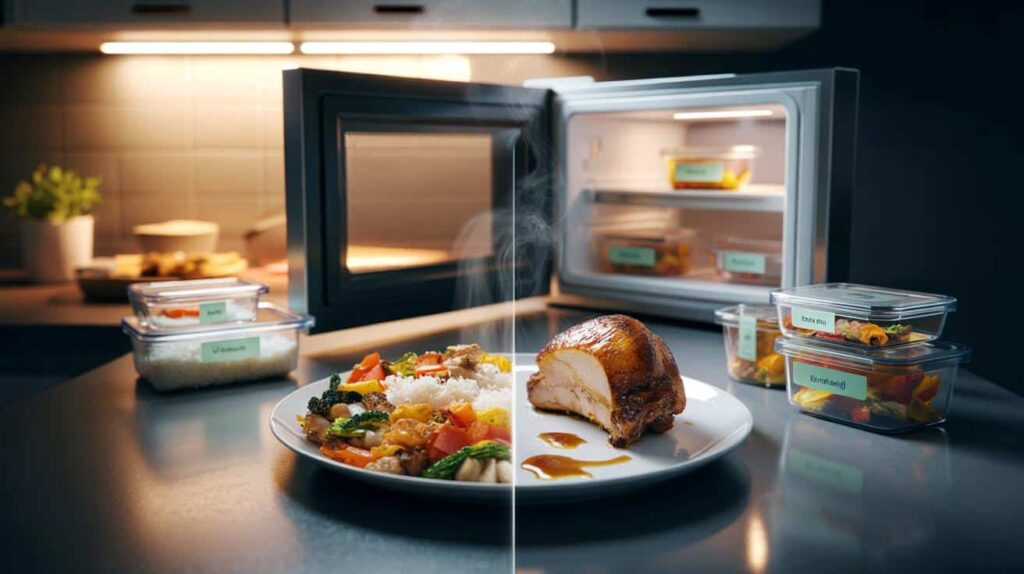
You poke your plate with a fork, slightly annoyed. You followed the rules, right? The food was in the fridge, you heated it until it was steaming, you didn’t leave it out for ages. Still, the magic is gone. The bright flavours have flattened. The textures feel tired. Something invisible has happened between fridge and microwave.

The strange thing is: the more you reheat, the worse it gets. It’s like each round in the microwave secretly erases a layer of what you liked in the first place.

Why reheated food tastes like a tired version of itself
The first time you reheat a dish, it’s usually fine. Sometimes it’s even better. A stew deepens, spices blend, pasta sauce feels richer. By the third round, though, the plate tells another story. The meat has tightened. The rice has turned dry and crumbly at the edges. The vegetables are soft in a way that doesn’t feel comforting, just… limp.

What your mouth picks up is a kind of fatigue. Flavours that were once sharp and layered melt into a background noise. Salt stands out, but the subtle notes disappear. It feels like listening to a song through cheap speakers after hearing it live the night before. Same melody. Less soul.
On a busy weekday, a microwave becomes a little time machine. The problem is that it doesn’t just move food forward in time. It changes it on the way.
Think of a big Sunday roast. Day one: beautifully browned chicken, crisp skin, juicy inside. Day two: reheat the leftovers gently, still tasty, maybe in a pan with a bit of butter. Day three: you rush, you nuke the last pieces in the microwave, plate spinning under an uneven orange light. The skin goes flabby, the meat turns stringy, like it’s been wrung out.
You still eat it, of course. Wasting food feels worse than eating something slightly disappointing. Yet the contrast sticks with you. The same chicken that felt like a treat now feels like airplane food. Many home cooks notice a pattern here: soups and stews survive repeated reheating fairly well. Lean meats, rice dishes, and anything breaded lose the battle much faster.
A small British survey once found that most people reheat food at least twice, often stretching a single cooked meal over three or four days. The frustration behind that habit rarely gets discussed: every reheat is a quiet downgrade.
Under the surface, reheating is chemistry in slow motion. Every time you warm food, you change water, fat, and protein structures. Meat fibres tighten a bit more with each heating cycle, squeezing out moisture. That’s why chicken breast goes from juicy to chalky, and beef turns from tender to chewy. Heat also pushes water out of starches like rice, pasta, and potatoes. First they swell and become soft. With repeated heating and cooling, they dry out and harden or fall apart altogether.
Flavour molecules don’t escape either. Aromas are made of volatile compounds, and heat literally drives them into the air. Each blast in the microwave sends another wave of that good smell into your kitchen… and out of your food. At the same time, fats oxidise and break down, which can dull the taste or create faint off-notes you can’t quite name, but definitely notice.
That’s why your nose gets more action than your tongue with a dish that’s been reheated a few times. The smell is there for a moment, then it vanishes, like someone turning down a dimmer switch on flavour.
How to reheat once, eat twice, and keep food tasting alive
The single most powerful move is simple: reheat only what you’ll eat, and only once. Instead of putting a whole pot of curry back on the stove three days in a row, divide it into individual portions when it’s freshly cooked. Let them cool, then store in the fridge or freezer. When you’re hungry, you just warm up that one portion and leave the rest untouched.
For foods that dry out easily, add a little moisture before reheating. A spoonful of water over rice, a splash of stock over roasted vegetables, a bit of sauce under leftover chicken. Cover the dish with a lid or microwave-safe plate so the steam stays inside and helps re-plump the food rather than drying it even more.
It sounds fussy on paper, yet it becomes a two-minute reflex once you’ve done it a few times.
Some dishes are made for reheating, and some are not. Saucy, liquid-heavy foods like soups, stews, chilis, and curries are the champions. They can be reheated gently on the stove, stirred often, and they often taste deeper a day or two later. Dry foods suffer more. Roast chicken, grilled fish, breaded cutlets, and fried rice all start a slow decline as soon as they leave the pan.
 If the ATM keeps your card, this fast technique instantly retrieves it before help arrives
Soyons honnêtes : personne ne fait vraiment ça tous les jours. Nobody weighs the exact temperature or times every reheating. Life is messy, and leftovers are usually a last-minute solution, not a delicate project. Still, small swaps make a big difference. Reheating pizza in a hot pan instead of the microwave. Warming pasta in simmering water for 30 seconds, then tossing it with hot sauce instead of blasting it straight on a plate.
On a tired weeknight, this feels like a lot. On the plate, it tastes like you care.
“Leftovers are not a punishment meal,” says one London food scientist I spoke to. “They’re a second chance. The way you reheat them decides whether that second chance is worth taking.”
That’s where simple kitchen habits quietly shape your experience. Let food cool before sealing it; trapping steam creates condensation that turns into soggy patches when reheated. Use shallow containers rather than deep bowls, so heat spreads more evenly. Stir halfway when you microwave something liquid, instead of nuking it in one long, fierce burst.
- Portion smart: split large dishes into single servings.
- Add moisture: a splash of water, stock, or sauce before reheating.
- Choose the right tool: pan or oven for crisp foods, microwave for saucy ones.
- Reheat once: bring food to steaming hot, then eat or discard.
- Trust your senses: if it smells wrong or looks odd, skip it.
*Leftovers stop feeling sad when they taste like an intentional meal, not a faded memory of one.*
What’s really changing on your plate
Under a microscope, your plate of leftovers after the third reheat would look like a different landscape than it did on day one. Proteins in meat denature again and again, turning from flexible strands into tight, tangled knots. Water that once filled the gaps is pushed out and either evaporates or pools in odd places. That puddle on the side of your plate? It’s the juice your meat has lost.
Starches follow their own strange path. Cooked pasta, rice, and potatoes start out swollen with water. As they cool, their starches “retrograde” – they reorganise into tighter structures, pushing out moisture. When you warm them again, they soften, but not in the same way. After a few cycles, they reach a kind of textural exhaustion: rice turns crumbly, pasta breaks, potatoes get grainy. The comfort fades, bite by bite.
Flavour keeps shifting along with texture. Each reheating is like turning up the light on some notes and dimming others. Spices based on delicate aromatics – fresh herbs, citrus, garlic – lose their top notes quickly. Heavy flavours like salt, fat, and smoke cling on longer. That’s why an old curry can taste saltier and heavier than before, even if you didn’t add anything.
Food safety adds another quiet layer. The more you move food in and out of the fridge, letting it sit in the so‑called “danger zone” between cold and hot, the more space you create for bacteria to multiply. Reheating to steaming hot kills most of them, yes, but some toxins and spores can hang around. That’s why many health agencies suggest reheating food only once.
Texture, taste, safety: three reasons why that third round in the microwave feels very different from the first.
The next time you stare at a fridge full of containers, you might look at them a little differently. Instead of “old dinner,” you’ll see ingredients waiting for a second life: roasted vegetables that can become a warm salad with fresh greens, plain rice ready to turn into crisp fried rice in a hot pan, chicken that belongs in a soup rather than in a microwave blast.
There’s a quiet satisfaction in rescuing a meal from the slow fade of repeated reheating. It’s not about perfection. It’s about catching food before it crosses that line between “comforting leftover” and “why does this taste like cardboard?”. On a small scale, this is how we fight waste: not just by keeping food, but by making it worth eating again.
On a deeper level, this is about how we handle time in the kitchen. We cook when we can, we store when we must, we reheat when life gets in the way. Somewhere between those three moments, a dish keeps changing. Sharing the little tricks that keep food alive for longer feels almost intimate, like passing on a family shortcut.
On a group chat, at the office microwave, around a Sunday table crowded with Tupperware, stories of miraculous leftovers and reheating disasters travel fast. They all point to the same quiet truth: heat doesn’t just warm food. It rewrites it.
| Point clé | Détail | Intérêt pour le lecteur |
|---|---|---|
| Repeated heating changes structure | Proteins tighten, starches reorganise, moisture escapes with every reheating cycle. | Helps explain why food gets tough, dry, or mushy after a few rounds. |
| Flavour fades and distorts | Aroma compounds evaporate while fats oxidise and salt dominates. | Makes sense of why leftovers taste “flat” or strangely strong. |
| Portioning and gentle reheating help | Reheat once, add moisture, choose pan/oven for crisp foods, microwave for saucy ones. | Gives practical steps to keep leftovers enjoyable and safer to eat. |
FAQ :
- Is it safe to reheat food more than once?Most food safety guidelines suggest reheating food only once, because repeated cooling and warming gives bacteria more chances to multiply. If you must reheat more than once, keep food chilled quickly and heat it until it’s steaming all the way through.
- Why does reheated chicken turn rubbery?Chicken breast is lean and its proteins tighten with heat, squeezing out moisture. Each reheating dries it out more, which your mouth reads as rubbery or stringy.
- Which foods actually improve when reheated?Soups, stews, chilis, and many curries often taste better the next day, as flavours meld. They still lose some delicate notes, but their overall depth usually increases after one gentle reheat.
- What’s the best way to reheat rice and pasta?Add a splash of water, cover the dish, and reheat gently. For pasta, briefly dip it in simmering water, then toss with hot sauce. For rice, a covered microwave with a bit of moisture or a steamy pan works well.
- How can I keep leftovers from getting soggy or dry?Cool them before sealing, store in shallow containers, add a little liquid before reheating, and use dry heat (oven or pan) for crisp foods and moist heat (covered, with a bit of water or sauce) for everything else.
