The first signs of cracked heels often appear quietly. Thin, pale lines spread across the heel, resembling a dried riverbed pattern. At first, they are easy to ignore. You might assume they came from walking barefoot indoors or wearing new sandals too often. Over time, though, the skin begins to feel rough when you step out of bed. A slight sting or pulling sensation follows, and the cracks deepen. They may even catch on socks, turning a small issue into daily discomfort.
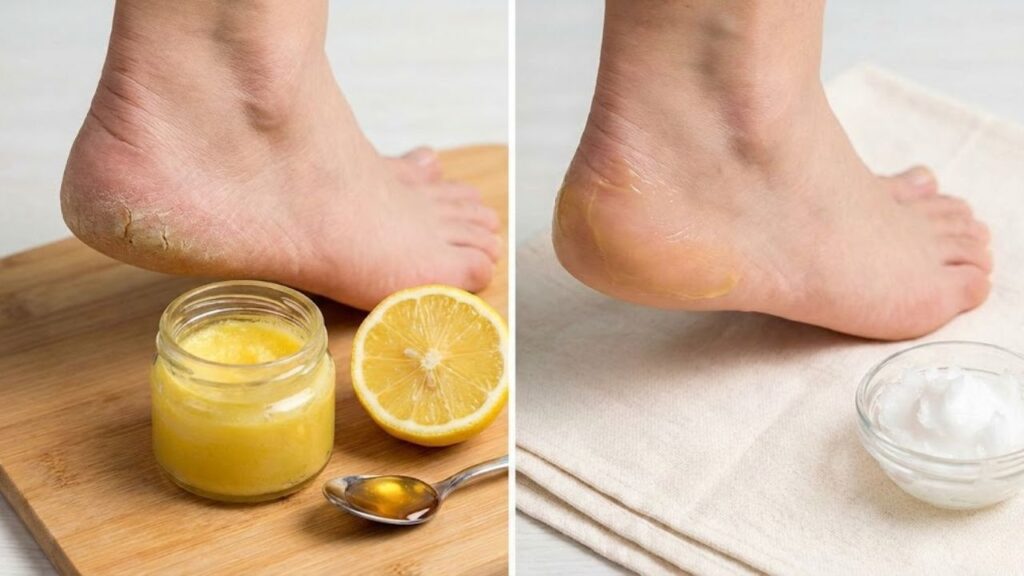
A Simple and Quick Healing Approach for Dry Heels
At some point, a quiet realization sets in that it’s time to care for your feet. Dry, cracked heels often go unnoticed until they become uncomfortable. Each step becomes a reminder that your feet have needed attention for a while. They support you through long hours and busy routines. The reassuring news is that relief doesn’t require costly treatments or complex routines. Many effective solutions already exist in your kitchen. Familiar oils, honey, milk, and salt can help restore moisture and softness. This process is about creating a calming evening ritual and allowing natural ingredients to gently support healing over time.

The Quiet Message Your Heels Reveal
Your heels work harder than you might realize. They strike the ground first with every step and absorb pressure from standing or walking for long periods. Because they are often covered and out of sight, they’re easy to overlook. You may notice roughness during a shower and plan to address it later, only to forget. Dry, cracked skin usually signals prolonged pressure, friction, and a lack of moisture. Walking barefoot on hard floors or wearing shoes with thin soles or open backs can contribute to this issue.

Environmental factors also play a role. Long hot showers, cold weather, and indoor heating systems strip moisture from the skin. Heel skin is naturally thick to protect you, but when it becomes too dry, it loses flexibility. Instead of bending as you walk, it begins to split. The encouraging part is that skin is always repairing itself. With consistent moisture, gentle care, and protection, healing can happen faster than expected.

Turning Your Kitchen into a Healing Space
Your kitchen offers more than meals; it holds simple tools for skin care. Olive oil or coconut oil deeply moisturizes rough skin. Honey helps draw in moisture and calm irritated areas. Milk and yogurt naturally soften flaky skin. When sugar or salt is mixed with oil, it creates a scrub that removes dead skin cells. Using familiar ingredients feels reassuring because there’s no need to decode labels or purchase special products. These everyday items already fit into your routine and support gentle, effective care.
- Olive oil or coconut oil: Deep hydration and softening, ideal for night-time massage or as a scrub base.
- Honey: Helps retain moisture, soothe irritation, and support skin repair.
- Milk or yogurt: Uses natural lactic acid to loosen dead skin and soften heels.
- Sugar or salt: Gently exfoliates rough layers after soaking.
- Banana or avocado: Provides vitamins and healthy fats for intense nourishment.
A Gentle Evening Routine for Heel Care
This routine works best as a quiet pause at the end of your day. The home feels calmer, and you set aside about fifteen minutes to focus on your feet.
Step One: Warm Milk and Salt Foot Soak
Fill a basin with comfortably warm water. Add half a cup of milk, one or two spoons of salt, and a small amount of oil. Soak your feet for ten to fifteen minutes. The warmth relaxes the skin, the milk softens dryness, and the oil begins restoring lost moisture.

Step Two: Gentle Scrub for Rough Areas
Combine sugar or fine salt with olive or coconut oil to form a thick paste. Massage it onto your heels using slow circular motions, focusing on rough spots. Avoid scrubbing too hard, as gentle pressure is more effective. Rinse with warm water once finished.
Step Three: Honey and Yogurt Healing Mask
Mix one tablespoon of honey with one tablespoon of thick yogurt and a few drops of oil. Apply generously to cracked areas and leave on for ten to fifteen minutes. This mask delivers deep hydration and helps calm sensitive skin. Rinse gently and pat dry.
Overnight Oil Care for Deeper Repair
Before bedtime, warm a small amount of olive or coconut oil and massage it into your heels for several minutes. Put on clean cotton socks to keep the moisture sealed overnight. By morning, heels often feel noticeably softer, smoother, and far less sore.
Everyday Habits to Keep Heels Smooth
Once your heels recover, simple habits help maintain them. Apply moisturizer after showers, avoid overly hot water, rotate footwear, and drink enough water daily. Address dryness as soon as it appears. These small actions prevent cracks from returning and keep skin healthy.
When Extra Care Is Needed
If heel cracks deepen, bleed, or fail to improve with regular care, professional advice may be necessary. Certain health conditions can slow healing, and a doctor or podiatrist can guide proper treatment. Most cases, however, result from dryness alone. With warmth, oils, patience, and common household ingredients, your feet can regain comfort and continue supporting you through everyday life.