
Using salt to kill weeds is an old gardening method that requires careful handling. Many people in India who maintain home gardens and driveways search for affordable alternatives to chemical herbicides. Salt eliminates weeds by pulling water from their cells until they dry out and die. The problem is that salt cannot distinguish between weeds and desirable plants and can damage soil quality when used excessively. Learning the proper application techniques and knowing when to choose other methods will help you use salt effectively without harming your garden. Salt works through a process called osmosis where it absorbs moisture from plant tissues. When you apply salt directly to weeds or mix it with water as a spray, it penetrates the plant and disrupts its ability to retain water. The plant gradually dehydrates and dies within a few days to weeks depending on the concentration used. This method works best on young weeds with shallow roots rather than established plants with deep root systems. The most common application involves mixing salt with water in a spray bottle. A basic ratio is one part salt to three parts water though you can adjust this based on the severity of your weed problem. Some gardeners add a small amount of dish soap to help the solution stick to leaf surfaces. Apply this mixture directly to weed leaves on a dry sunny day when rain is not expected for at least 24 hours. The sun helps speed up the dehydration process while dry conditions prevent the salt from washing away before it takes effect. For weeds growing in cracks between pavement stones or along driveways, you can sprinkle dry salt directly into the gaps. This approach works well because these areas typically have minimal soil & limited contact with garden beds. The salt stays concentrated in the cracks & targets only the weeds growing there. After application, lightly water the area to help the salt penetrate down to the roots. Despite its effectiveness, salt has significant drawbacks that limit where you should use it. Salt does not break down naturally in soil & accumulates over time. High salt concentrations make soil inhospitable to all plants and can take months or even years to flush out through rainfall. This means you should never use salt in garden beds, near trees, around shrubs, or in any area where you want to grow plants in the future. Even small amounts that drift or wash into planting areas can cause damage. The environmental impact extends beyond your immediate garden. Salt can leach into groundwater or run off into nearby water bodies during heavy rains. This affects aquatic life and can contaminate drinking water sources. In areas with poor drainage salt persists longer and causes more extensive damage. Consider the layout of your property and how water flows across it before deciding to use salt as a weed control method. Certain situations make salt a reasonable choice. Driveways, walkways, and patio areas where you have no intention of growing plants are suitable locations. Weeds pushing through concrete cracks or gravel paths can be treated with salt without major consequences. These hardscaped areas naturally limit how far the salt can spread. Just be mindful of nearby planted areas and avoid application on windy days when salt particles might blow into garden beds. Timing matters when using salt for weed control. Early spring when weeds first emerge is ideal because young plants are more vulnerable. Treating weeds before they flower and produce seeds prevents future infestations. Avoid using salt during the monsoon season when heavy rains will quickly wash it away before it can work. The salt may then spread to unintended areas and cause broader damage. Several alternatives exist for those concerned about the risks of salt. Boiling water poured directly on weeds kills them instantly without leaving harmful residues. This method requires more effort since you need to boil water in batches but it works well for small areas. Vinegar with high acetic acid content also kills weeds by burning their foliage, though it may require multiple applications. Manual removal by pulling weeds with their roots remains the safest option for garden beds and areas near desirable plants. Mulching prevents weeds from establishing in the first place. A thick layer of organic mulch blocks sunlight and makes it difficult for weed seeds to germinate. This approach improves soil health over time as the mulch breaks down. Newspaper or cardboard placed under mulch provides an additional barrier against persistent weeds. If you decide to use salt, start with small test areas to observe the results before treating larger sections. Monitor the treated spots for several weeks to see how the weeds respond and whether any unintended damage occurs. Keep records of where you applied salt so you can avoid planting in those areas for at least one growing season. The key to responsible salt use is restraint and precision. Apply it only where necessary and in the smallest effective amounts. Never use salt as a blanket treatment across large areas. The temporary convenience of killing weeds quickly is not worth the long-term soil damage & environmental concerns that come with overuse. Understanding your specific situation helps determine whether salt is appropriate for your weed control needs. Consider the type of weeds you face, the location where they grow & your future plans for that space. When used thoughtfully in the right circumstances, salt can be a useful tool. However, for most garden situations, other methods prove safer and more sustainable in the long run.
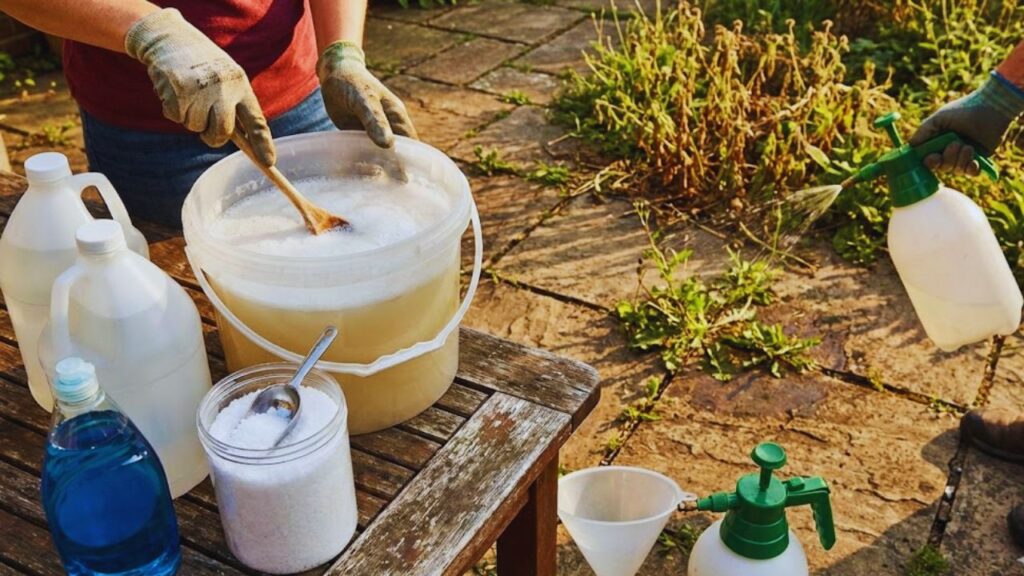
How salt weedkiller works on unwanted plants
Salt kills weeds by throwing off the plant's water balance. When you use it properly it creates an osmotic effect that draws moisture out of the leaves and stems. This causes cellular dehydration, which stops the weed from taking in water through its roots. Eventually this leads to complete desiccation and the plant gradually dries out. This approach works best when you use concentrated salt solutions on young weeds or those with shallow roots. The process seems straightforward but salt cannot tell the difference between weeds & plants you want to keep. That is why you need to apply it carefully and use the right amount to avoid damaging other plants.

Best places to use a salt-based weedkiller
Salt weedkiller works best when you apply it directly to specific weeds instead of spraying it everywhere. This method is useful for treating weeds that grow in gaps between paving stones or along pathways. You can also use it in areas where you have no plans to plant anything in the future. Keep the salt away from your garden beds because it can harm the soil & make it difficult for plants to grow there later. The weather conditions matter when you use salt as a weedkiller. Choose dry days for application because moisture reduces its effectiveness. When you use salt carefully & in the right places it becomes a practical way to manage weeds in paved areas and hard surfaces. This approach lets you avoid buying commercial herbicides while still keeping unwanted plants under control.

Enhancing salt weedkiller safely at home
Some gardeners make salt weedkiller stronger by mixing it with common household items. A bit of vinegar can boost the results by changing the acidity level & helping to break down the outer layer of leaves. Adding a single drop of liquid soap works as a spreading agent that makes the mixture cling to weeds more effectively. Always pay attention to precise application methods to protect nearby plants and think about using physical barriers such as cardboard around the plants you want to keep. This method makes the weedkiller work better while giving you full control over the process.

Summary or Analysis
Salt works well for killing weeds when you use it carefully and in the right places. The main problem is soil damage because too much salt stays in the ground and stops plants from growing later. For Indian families taking care of small outdoor areas, this approach only makes sense for specific spots like walkways or driveways. Using salt responsibly means putting it only where you need it and knowing how it affects the soil over time. When you treat it with care salt can help control weeds without creating bigger problems down the road.
| Application Area | Effectiveness Level | Soil Impact |
|---|---|---|
| Pavement cracks | High | Minimal |
| Driveways | High | Low |
| Garden beds | Moderate | Severe |
| Lawn edges | Low | Moderate |
Frequently Asked Questions (FAQs)
1. Is salt weedkiller safe for home gardens?
You should only use it in small spaces that will not expand & keep it away from garden soil where plants are actively growing.
 I’m a psychologist and this is the typical phrase from someone repressing a childhood trauma
2. Can salt permanently damage soil?
Repeated use can stop plants from growing in that same location for an extended period.
3. Does salt kill weeds instantly?
No, weeds usually dry out gradually over several days.
4. Is salt weedkiller legal in India?
# Is Household Salt Use Legal? Yes, you can legally use household salt. However you should apply it responsibly and with care. Salt is a common household item that people use every day for cooking and food preservation. The law does not restrict its purchase or use in homes. You can buy it from any grocery store without special permission or licenses. When using salt in your home, keep some basic guidelines in mind. Use appropriate amounts when cooking to maintain good health. Too much salt in your diet can lead to high blood pressure and other health problems. Medical experts recommend limiting daily sodium intake to help prevent these issues. For cleaning purposes, salt works well as a natural abrasive. You can use it to scrub pots and pans or remove stains from various surfaces. It also helps absorb spills and odors in your kitchen. Some people use salt for other household tasks like melting ice on walkways during winter. This application is generally safe & effective. Just remember that excessive salt can damage concrete surfaces and harm plants near treated areas. Store your salt in a dry place away from moisture. This keeps it fresh & prevents clumping. A sealed container works best for long-term storage. The key point is that while salt is legal and useful, moderation matters. Use it thoughtfully in cooking and cleaning. Pay attention to recommended amounts for different applications. This approach helps you get the benefits of salt while avoiding potential problems. Understanding proper salt use makes it a valuable tool in your home. Follow basic safety practices and use common sense when applying it for any purpose.
