
Across the UK and beyond, people are filling up seed trays and fat balls to help wild birds through winter. Yet behind the charming scene of jostling blue tits and sparrows lies a risk most of us barely think about: our kindness can turn into a health hazard for the very birds we’re trying to help.
When a winter buffet becomes a health hazard
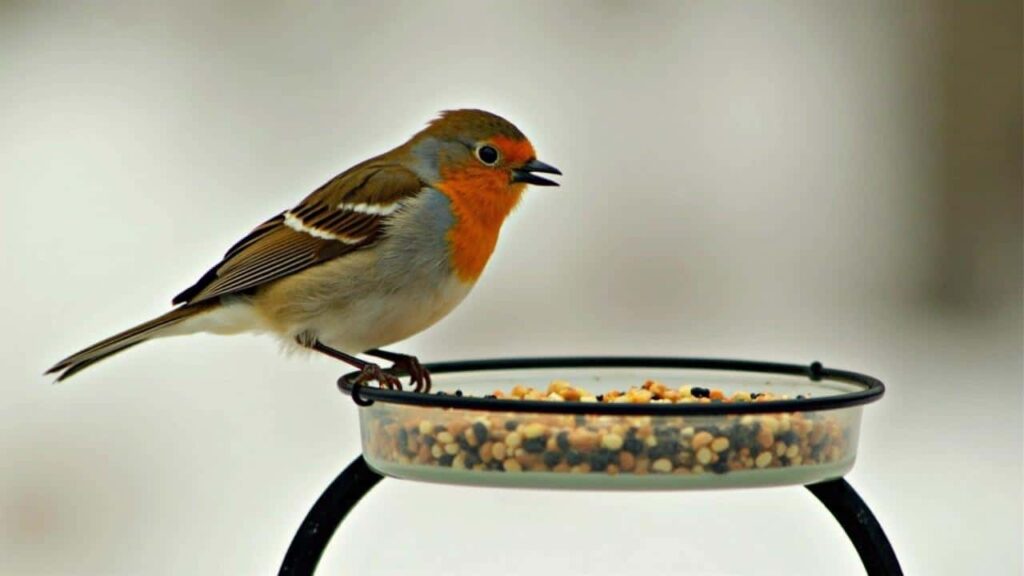
Every pile of sunflower hearts or peanuts draws in a crowd. That’s the point, of course. Food is scarce, so birds converge on the easiest, richest source they can find: your garden.

In nature, small birds usually spread out while foraging. They move between trees, hedges, fields and verges, rarely cramming together on a few square inches of plastic or metal. The backyard feeding station changes that dynamic completely.
Your bird table is not just a buffet; it’s also a meeting point where germs can spread faster than in the wild.

Unnatural crowding boosts disease spread
On a busy day, a single feeder can host dozens of individuals from several species. They share the same perches, brush wings, squabble for position and tap their beaks on the same surfaces.
If one finch or sparrow is carrying an infection, that tight contact zone becomes a shortcut for disease. Saliva, nasal secretions and droppings end up on perches, seed ports and trays. The next bird that lands there is immediately exposed.
This is what scientists call “localised over‑density”: a lot of birds forced into a tiny space for long periods, something that rarely happens naturally in winter woodlands or hedgerows.
The grim mix under the feeder
While we watch the action above, the real mess builds up below. Seed husks, half‑eaten morsels and droppings collect on the ground. Rain, sleet and snow turn that into a damp, decomposing layer.
Ground‑feeding species — robins, dunnocks, blackbirds — then pick through this layer. Their feet and bills contact a mix of spoiled food and faeces, a perfect breeding base for bacteria, protozoa and moulds.
Once food is wet, trampled and mixed with droppings, it stops being a lifeline and starts behaving like slow‑acting poison.
Seeds that sit for days can ferment or grow mould. Some fungi produce toxins that damage the liver and digestive system of birds. Others irritate the mouth and throat, making feeding painful or impossible.
The hidden killers at the feeder: trichomonosis and salmonellosis
Two diseases show up again and again in winter garden bird deaths: trichomonosis and salmonellosis. They’re not caused by the cold, or by predators, but by micro‑organisms thriving in dirty conditions.
Why winter can be a peak time for infections
Cold weather doesn’t magically sterilise a feeder. Moist seed piles, droppings and organic debris produce a little micro‑climate of their own. Within that muck, many germs survive just fine.
At the same time, birds are burning huge amounts of energy simply to stay warm. That stress, plus fewer natural food sources, weakens their immune defences. A bug they might shrug off in June can be fatal in January.
Spotting a sick bird: “puffed up” is not just cute
Many people mistake classic illness signs for a bird “having a nap” or “keeping warm”. The reality can be harsher.
- Fluffed‑up feathers for long periods, even in daylight
- Bird staying still on the feeder or on the ground, barely reacting
- Half‑closed or sticky eyes
- Drooling, food stuck around the beak, or repeated swallowing attempts
- Allowing humans to get unusually close
These are typical of trichomonosis, a disease that attacks the mouth and throat, making swallowing painful and eventually impossible.
If you regularly see lethargic, puffed‑up birds on your feeders, the priority is not “more seed”, but “less contamination”.
What garden birds really need from you: cleaning, not just feeding
Feeding alone is only half the job. A dirty feeder can be deadlier than no feeder at all. The real favour you can do for birds this winter is to pair food with rigorous hygiene.
Never top up dirty feeders
The simplest rule is the same one you’d use for your own kitchen.
Do not pour fresh seed on top of old, clumped, damp or dirty food. Empty, then clean first.
Check trays and tubes before every refill. If you see:
- Clumps of stuck‑together seed
- Visible droppings on perches and ports
- Greenish film, grey fuzz or suspicious slime
then that food needs to be thrown away. Add it to a compost heap far from feeding areas, or put it in the bin. Keeping spoiled food “to avoid waste” simply spreads disease to dozens of birds.
Move feeders to let the ground recover
One practical tactic many people overlook is rotation. Shift your feeders by a few metres every couple of weeks. That short break lets soil organisms break down droppings and husks without being constantly overloaded.
Moving the hotspot occasionally also helps reduce the predictable patterns that predators like cats or sparrowhawks can exploit.

A simple weekly disinfection routine
During the coldest months, aim for a proper clean at least once a week, more often if your feeders are extremely busy.
| Step | What to do | Why it matters |
|---|---|---|
| 1. Empty | Remove all remaining seed, fat or suet | Prevents mixing fresh food with contaminated leftovers |
| 2. Scrub | Use hot soapy water and a stiff brush | Physically removes droppings, slime and biofilm |
| 3. Disinfect | Apply a diluted bleach solution (about 5–10%) | Kills lingering bacteria such as Salmonella |
| 4. Rinse | Rinse with plenty of clean water | Removes any chemical residue that might irritate birds |
| 5. Dry | Let everything dry fully before refilling | Stops moulds and yeasts from taking hold |
Why drying is just as critical as washing
Putting seed back into a damp tube or onto a wet tray is like preparing a starter culture for mould. Within days, fungi can colonise the fresh food you just paid for.
Let all parts air‑dry fully in a warm, ventilated spot. Wooden feeders, especially, need time to dry right through. Having a spare feeder makes this far easier: one in use, one being cleaned and dried.
Don’t forget the water: birdbaths and drinkers need care too
Birds still need to drink on the coldest days, and they relies on water to keep their feathers in good condition. Yet water hygiene is often ignored once winter sets in.
Stagnant water, invisible problem
A birdbath that looks “not too bad” can still be packed with bacteria. Sick birds shed germs into the water each time they drink or bathe. The next visitor takes that straight into its beak.
Algae and slime might build more slowly in cold weather, so the water can appear clearer than in summer while still being risky.
Change the water every day
A daily refresh does two jobs at once: it dilutes and removes pathogens, and it helps manage ice.
- Empty the dish completely
- Brush the sides quickly to dislodge film and debris
- Refill with clean, preferably lukewarm (not hot) water
Never add salt, glycerine or car antifreeze to stop ice. These substances are toxic, even in small amounts.
If freezing is severe, placing the dish on a thick wooden board or moving it slightly closer to the house can slow down ice formation.
Winter roost boxes: more than just spring nesting sites
That little wooden box on your fence is not only a nursery in May. For species like wrens and tits, it can become a life‑saving bedroom on sub‑zero nights.
Cleaning out old nests and parasites
Last year’s nest may look charming, but it can harbour fleas, mites and ticks waiting for their next host. Clearing it out between seasons offers winter roosting birds a cleaner start.
On a mild, dry day when birds are unlikely to be inside, open the box, remove the old material and brush the interior thoroughly. Chemicals are generally unnecessary and can linger in the wood.
Dry, safe night shelters for crowded sleepers
Many small birds survive cold snaps by roosting in tight groups. Several individuals squeeze into one cavity to share heat, sometimes piling on top of each other.
In a cramped, dirty, damp box, that close contact greatly increases the chance of parasites and infections passing between them. A clean, dry roost shifts the odds in their favour.
A thin layer of dry wood shavings or untreated sawdust can help absorb moisture at the bottom of the box. Avoid straw or hay, which can mould quickly in damp conditions.
Real‑life winter routine: a practical weekly schedule
For many households, the barrier isn’t goodwill, it’s time and habit. Building a simple routine transforms hygiene from “nice idea” into something automatic.
- Daily: Quick check of feeders, remove obvious wet clumps, sweep under the main feeding area, change birdbath water.
- Twice a week: Light scrub of the birdbath and any heavily used trays.
- Weekly: Full clean and disinfection of one set of feeders; swap with spare set.
- Every 2–3 weeks: Shift the main feeders to a slightly different spot in the garden.
- Once in late autumn or a mild winter spell: Check and clean nest boxes that are not currently occupied.
Families often find children are keen to help. Assigning “bird bath monitor” or “feeder inspector” roles can turn chores into a shared winter ritual, while also teaching basic ecology and responsibility.
Risks, trade‑offs and when to pause feeding
There is one uncomfortable point that needs facing: there are moments when the safest thing you can do is stop feeding for a short time.
If you notice multiple sick or dead birds in your garden, wildlife organisations typically advise removing all feeders and birdbaths for at least a couple of weeks. This break encourages birds to spread out again and can interrupt local transmission.
Feeding birds is an act of care, but clean feeding is an act of protection.
By pairing well‑chosen winter foods with serious attention to hygiene, your garden can be both a reliable canteen and a healthy place for birds to gather, rather than a hidden accelerator for disease.
