
In a culture that treats Saturday nights like a social performance, choosing silence, solo coffee and airplane mode can look suspicious. Yet research suggests those who genuinely enjoy being alone at the weekend aren’t “odd” at all – they often show a specific set of psychological strengths.
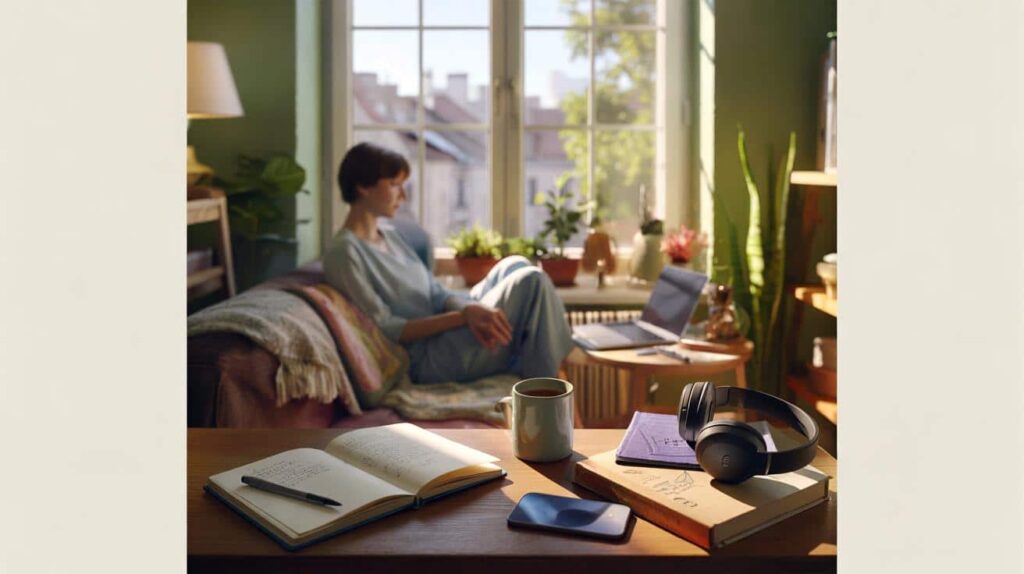
Choosing solitude, not suffering it
Psychologists make a clear distinction between loneliness and chosen solitude. Loneliness feels imposed, painful and draining. Voluntary solitude feels deliberate, calming and often energising.

When people choose to be alone, their brain treats that time less like a social failure and more like a strategic reset.

Studies on “positive solitude” show that time spent alone on purpose can:

- Reduce stress levels by cutting social demands and noise
- Boost emotional regulation by giving space to process feelings
- Increase a sense of autonomy and freedom from expectations
- Support deeper thinking and long-term planning
But not everyone reacts the same way to a quiet weekend. Research tracking people’s experiences over time finds that what you believe about solitude changes how it feels. If you see being alone as “sad” or “a sign of failure”, you tend to feel worse. If you see it as “restorative” or “useful”, you come out of it calmer and happier.
Beliefs about solitude act like a filter: they decide whether Saturday alone feels like punishment or protection.
The 5 traits shared by people who like quiet weekends
1. High self-awareness
People who value solitary weekends often know themselves unusually well. They have a clear sense of what drains them and what restores them. That self-knowledge makes them more willing to say no to plans that don’t match their needs.
Self-awareness here is not vague introspection. It shows up in concrete questions they ask themselves: “Do I actually want to be there?”, “What kind of weekend will leave me less tired on Monday?” Regular time alone gives space to notice patterns: who leaves them tense, what activities help them reset, which worries keep looping in their mind.
Solitary weekends act like a weekly check-in: how am I, really, beneath the autopilot answers?
2. Emotional independence
Those who love being alone on Saturday are less likely to depend on external validation to feel okay. They can enjoy company, but their mood is not entirely shaped by whether their phone is buzzing or their calendar is full.
That doesn’t mean they don’t care what others think. It means they can withstand not being included in every event. They base their worth less on social comparison and more on internal standards: personal progress, values, integrity.
Emotional independence also explains why a quiet weekend doesn’t automatically feel like social failure to them. They don’t equate busyness with success, or a packed social schedule with proof of being loved.
3. A talent for deep focus
Weekend solitude often becomes a hidden productivity tool. With no notifications or social obligations, many “weekend loners” fall into what researchers call “deep work” – long, uninterrupted stretches of focus.
They might spend hours on activities such as:
- Writing, coding or creating music
- Planning a personal project or side business
- Reading challenging books, not just scrolling feeds
- Learning a skill at their own pace
This intense concentration is easier when no one expects instant replies or last-minute drinks. The weekend turns into a private lab where ideas can mature without interruption.
4. Strong self-compassion
An underrated trait in people who protect their alone time is self-compassion: the ability to treat oneself with the same kindness offered to a close friend.
Research led by psychologist Kristin Neff links self-compassion with lower anxiety and depression. It includes three elements: being kind to yourself in tough moments, recognising that everyone struggles, and staying present with your feelings instead of suppressing them.

Choosing a quiet weekend is often a form of self-compassion: “I’m allowed to rest before I break.”
Instead of attacking themselves with “I’m boring” or “I should be more fun”, self-compassionate people ask, “What do I genuinely need right now?” If the answer is sleep, reading or walking alone, they accept it without dramatic self-criticism.
5. Fine-tuned emotional processing
Solitary weekends also offer a space to process emotions with less noise. Those who prefer being alone at these times often show a subtle skill: they can name what they feel with some precision instead of just saying “I’m stressed”.
This might sound minor, but it matters. Distinguishing between frustration, sadness, shame or simple fatigue helps you choose better coping strategies. A long walk might ease frustration; a difficult conversation might be needed for resentment; sleep helps exhaustion.
Time alone gives them room to run through recent events, replay conversations and notice where tension is sitting in their body. This doesn’t always look like meditation. It can happen while tidying, cooking slowly or listening to music on headphones.
Solitude or isolation: how to tell the difference
Liking your own company can be a form of psychological strength. Yet there is a point where healthy solitude slides into risky isolation. One weekend at home is different from months of avoiding every human interaction.
| Chosen solitude | Risky isolation |
|---|---|
| Feels peaceful or neutral | Feels heavy, hopeless or humiliating |
| You could socialise, but prefer not to today | You feel unable or too anxious to reach out |
| Breaks of connection, not a total cut-off | Contacts increasingly rare or non-existent |
| You feel rested after time alone | You feel emptier or more numb after |
A useful question: if you needed support on a bad day, do you know who you would call, and would you actually dial their number? If the honest answer is no, your solitude might be tipping towards isolation.
How to use solo weekends to your advantage
Setting up a “quiet weekend” that helps, not harms
Done intentionally, solo weekends can become a mental health habit. A simple structure keeps them from turning into aimless scrolling marathons.
- Plan one restorative activity (reading, a long bath, a walk, cooking something slow)
- Plan one meaningful task (sorting paperwork, working on a hobby, learning something new)
- Allow unplanned time where you genuinely follow what you feel like doing
The goal is not efficiency, but conscious choice. You are sending your brain a quiet message: my time matters, and I decide how to use it.
Two real-life scenarios
Imagine you’ve had a demanding week at work. You cancel Saturday drinks, cook something simple and leave your phone on silent. You spend the evening reading and journalling about a conflict with a colleague. On Sunday you reply to a few messages and meet a friend for coffee. That is chosen solitude wrapped inside a connected life.
Now consider a different pattern. You stay home every weekend, not because you want to rest, but because you assume no one wants to see you. You don’t answer messages, you feel increasingly anxious in public, and the idea of calling someone makes your chest tighten. That is isolation, and it deserves attention and support.
Why this personality profile matters in a noisy age
People who like quiet weekends often clash with cultural expectations that equate constant socialising with happiness. Yet their traits – self-awareness, emotional independence, deep focus, self-compassion and refined emotional processing – are quietly useful in a world of relentless stimulation.
For those who recognise themselves here, the key is not to justify your weekends to others, but to stay honest with yourself: are you resting or hiding? Are you recharging so that you can connect better later, or slowly erasing your support network?
Wanting to be alone on Saturday does not make you broken. What you do with that solitude shapes whether it becomes a strength or a warning sign.
Handled with care, a weekend spent alone can become a weekly reset: a protected space to listen in, recalibrate and return to Monday a little more aligned with who you actually are.
