
Just like the wider beauty world, the nail industry is embracing a more mindful, holistic direction. Many people are stepping away from regular gel manicures and choosing strengthening options like BIAB, while bold nail art is giving way to softer, more natural finishes. Against this backdrop, it’s no surprise that a treatment focused on restoring nail health is gaining popularity. Known as the Japanese manicure, this method centres on repairing the nail’s natural structure, boosting strength, and delivering a subtle, healthy shine. Using ingredients such as beeswax, keratin, and silica, it’s being praised as a go-to solution for brittle and damaged nails. We’re seeing a real shift towards wellness and natural health in beauty, and nails are finally part of that conversation. People are tired of the cycle of gels, damage, recovery, and repeat. The Japanese manicure offers a simple way out of that loop,” explain Yana Galiyeva and Maria Sharova, co-founders of So.Shell.
What Exactly Is a Japanese Manicure?
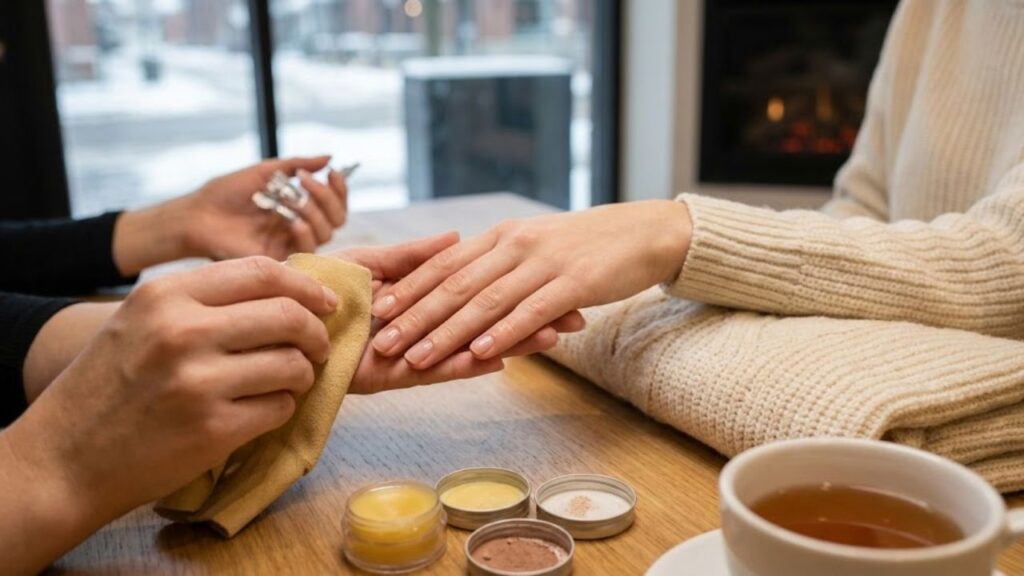
A Japanese manicure, often referred to as P.Shine, is a completely natural nail treatment that’s gaining attention worldwide for its health-first approach,” says Galiyeva. “Unlike gels or polish, it follows a two-step ritual: a vitamin-rich paste is massaged into the nail using specialised leather buffers, followed by a protective powder that locks everything in.” The nourishing paste typically contains beeswax, Japanese sea silica, bee pollen, keratin, and essential vitamins. “The result is a soft pink, pearly glow that becomes part of the nail itself. It grows out naturally rather than chipping or lifting,” she adds.
 7 Simple Yoga Poses For Better Posture
How Is It Different From Gels or BIAB?
The difference is fundamental,” explains Galiyeva. “Gels and BIAB are synthetic systems that require UV curing and involve chemicals like acrylates. Even though BIAB is marketed as strengthening, it still relies on dehydrators and chemical bonding, which can dry out the natural nail over time.” While a Japanese manicure does leave a gentle shine, it’s best thought of as a treatment rather than a coating. “Through massage and buffing, the ingredients penetrate the nail layers, nourishing them from within instead of forming a hard shell on top,” she says. There’s no UV lamp involved and no harsh chemicals, meaning nails aren’t left dehydrated or weakened. “The massage technique boosts blood circulation and supports healthy nail growth, whereas repeated gel or BIAB use can gradually compromise nail strength,” she adds.
The Benefits of a Japanese Manicure
According to Galiyeva and Sharova, the treatment offers several standout benefits:
A natural alternative: Made with food-grade ingredients, making it suitable for pregnant women, breastfeeding mothers, and those with sensitive skin.
Nail rehabilitation: Helps repair brittle, peeling, split, or damaged nails by delivering vitamins and keratin deep into the nail plate.
 Spot the Difference: Can You Find the 3 Differences in the Boy Working in Office Image in 7 Seconds?
Long-lasting natural shine: The glossy finish becomes part of the nail and grows out naturally, lasting around two to three weeks without chipping.
Encourages nail growth: The specialised massage improves circulation in the nail bed, supporting faster, healthier growth without aggressive removal.
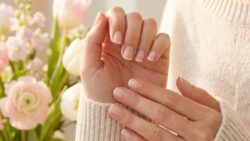
Your-nails-but-better look: A soft pink-pearl sheen that enhances natural nails without looking overdone.
For fans of minimalist nail styles, the Japanese manicure can also be paired with subtle enhancements like a glazed finish or an ultra-fine French tip for a polished yet understated result.
