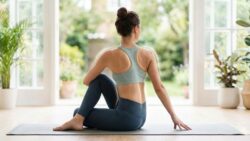
Maintaining good balance is essential as we age, helping to prevent falls—the leading cause of injuries in adults over 65. These 11 carefully designed exercises target muscle strength and body stability, which are key to staying independent and safe. By incorporating these movements into your routine, you can improve your coordination, protect your joints, and confidently handle everyday tasks.
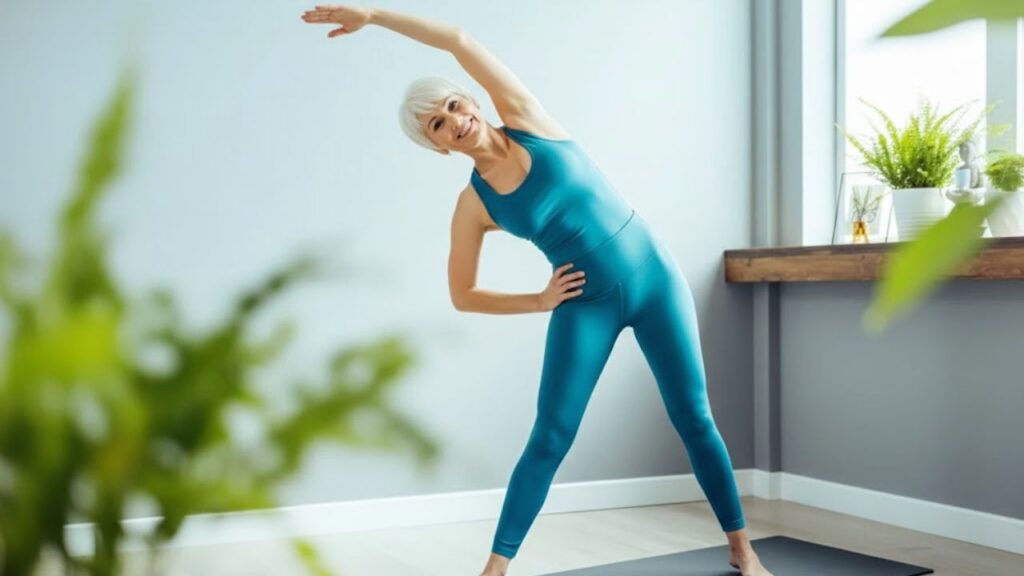
1. Controlled Weight Transfers for Body Awareness
Starting with weight-shifting exercises helps your body become aware of balance and positioning. Stand with your feet hip-width apart and slowly transfer your weight from one leg to the other. This simple practice strengthens core stability and enhances joint support, making it easier to react if you start to lose balance. Gradually increase the duration and intensity as your confidence grows.
 Goodbye Hair Dye for Grey Hair: The Conditioner Mix That Restores Natural Colour Gradually
2. Heel Raises to Strengthen Ankles
Heel raises build calf muscle strength and improve walking stability. Stand with feet hip-width apart, holding onto a chair or counter if needed. Lift your heels so you are on the balls of your feet, hold for one to two seconds, then slowly lower. For added challenge, try lifting one foot at a time. This exercise supports mobility and helps navigate stairs safely.

3. Gentle Forward and Backward Steps for Stability
After mastering weight transfers, forward and backward stepping improves dynamic balance. Stand with feet hip-width apart, arms relaxed at your sides. Step forward with one foot, return, then step backward. Alternate legs or complete all repetitions on one side first for variation. This practice enhances coordination and prepares you for everyday movements.

4. Feet-Together Standing to Enhance Core Balance
Standing with your feet together creates a smaller base, challenging your core stability. Begin with arms out to the sides, feet together, and hold as long as possible. Once comfortable, try arms at your sides, crossed over your chest, or even close your eyes. This progression strengthens postural control and sharpens body awareness.
5. Walking with Head Turns for Coordination
Balance relies on multiple systems, including vision. Walking while turning your head left and right trains your body to stay stable despite changes in direction. This exercise strengthens the connection between eyes and balance system, improving confidence in daily movement and enhancing overall stability.
6. Side-to-Side Stepping for Lateral Stability
Side-stepping develops lateral balance. Stand with feet hip-width apart, take a small step to the right, then bring the left foot next to it. Repeat the pattern and return in the opposite direction. For extra support, slide your hands along a counter until comfortable performing it freely. This exercise builds hip stability and supports safe movement in narrow spaces.

7. Forward Step-Ups to Strengthen Legs
Step-ups mimic daily activities like climbing stairs and improve leg strength. Using a stair or sturdy platform, place one foot on the step, bring the other up, then step down in reverse. Alternate leading feet with each repetition. This exercise enhances confidence in mobility and trains your body to handle changes in elevation safely.
8. Side Step-Ups for Hip Strength
Side step-ups target hip stability and fall prevention. Position yourself sideways to a stable step, place the nearest foot on it, lift the other foot to join, then step down. Complete repetitions on both sides. This movement builds lateral strength and prepares you for unpredictable movements in daily life.
9. Heel-to-Toe Standing for Focused Balance
Tandem standing challenges balance precision. Place one foot directly in front of the other, heels touching toes, arms out or crossed over the chest. Hold the position, then switch sides. For added difficulty, close your eyes. This exercise sharpens concentration and trains your body to maintain stability in narrow or uneven spaces.
10. One-Leg Stance to Improve Stability
Single-leg standing strengthens overall stability. Stand near a solid surface, lift one foot toward your backside, and balance on the other. Switch legs after holding for as long as possible. Advanced variations include closing your eyes or using an unstable surface, which challenges muscle control and proprioception.
11. Cross-Step Walking for Coordination
The braiding or grapevine exercise enhances coordination and movement control. Step one leg across the other, then step out to the side, repeating the sequence sideways. Reverse the pattern to return to the starting point. This advanced exercise combines lateral movement, balance awareness, and hip stability for more confident mobility.