
Her eyes are bright & her laugh comes quickly. Her stories have the energy of someone who still makes plans for later. Yet the long flat hair around her face seems to pull everything down. At 52 she sits in the salon chair twisting a faded strand between her fingers and says quietly that she wants her face back. The hairstylist smiles and suggests something that sounds risky at first. She recommends a grown-out pixie cut. Not a radical chop or a boyish crop but a soft slightly longer pixie that frames the face instead of weighing it down. Scissors begin to move and grey & blonde pieces fall to the floor. Her jawline appears again and cheekbones suddenly show up like old friends. She looks up and blinks once then twice. She whispers that she looks lighter. The stylist just nods.
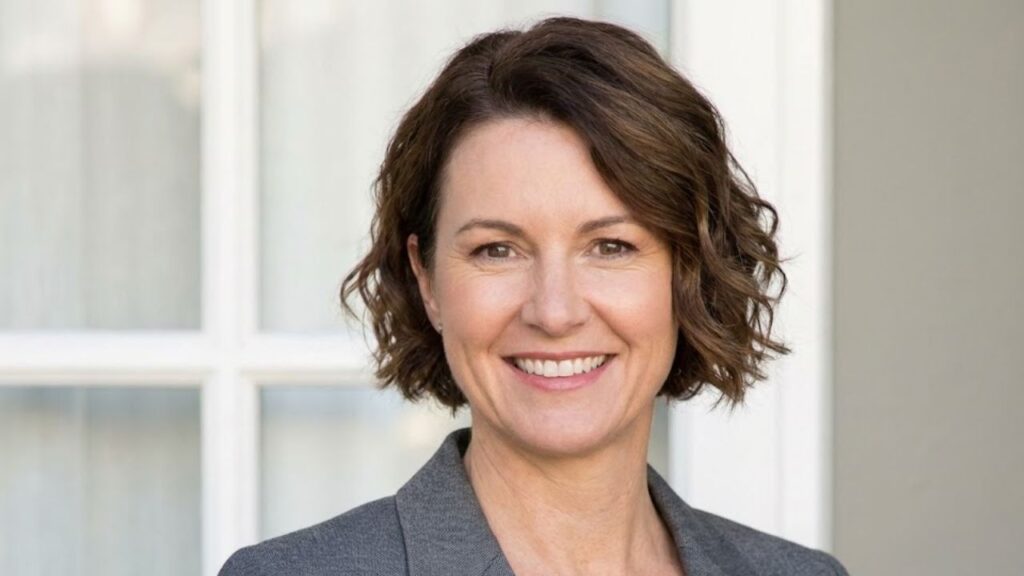
Why hairdressers swear by the grown-out pixie after 50
The grown-out pixie sits between short hair and longer styles. Hairdressers recommend it for women after 50 because it lifts the face without looking dramatic. The length is usually longer on top with softer sides and layers at the back that follow the neck. This structure creates a subtle effect. It draws attention upward away from the lower face and neck toward the eyes. Light catches the textured pieces on the crown. The result is a gentle vertical line that naturally opens features that time and gravity have slightly changed. What makes it especially flattering after 50 is the softness of the cut. There are no harsh blunt ends cutting into the cheeks. There is no heavy curtain of hair weighing things down. Just light movement that gives the impression of rested skin and fresher contours. It works with age rather than against it. Ask any experienced hairdresser who works with clients over 50 & you’ll hear similar stories. A woman walks in with a photo of her 35-year-old self with long thick hair and says she wants that back.

The stylist gently explains that hair texture changes after 40 with more dryness and less density at the roots. One London stylist described a 58-year-old client who had been wearing a shoulder-length bob for years. Her hairline had started to recede slightly & mid-length layers just hung there. They chose a grown-out pixie with longer feathered bangs that skimmed the eyebrows. Within minutes her features looked sharper and her eyes suddenly brighter. Three months later that client sent a photo from a family wedding. Same dress and same makeup style but different haircut. In the second picture she looked like she had slept better & laughed more. The only big change was that airy textured shape around her face. There’s a simple reason this cut feels rejuvenating. When hair becomes thinner or more fragile with age long lengths can drag the eye downward. The grown-out pixie redistributes volume where it matters on top of the head and around the temples rather than at the shoulders. Those soft layers act like a natural facelift. They blur temples and soften lines while framing the jawline without drawing harsh edges.

# Text Rewrite

By clearing the neck area you create space that makes your overall shape look lighter. Your face no longer competes with your hair & becomes the main focus again. This cut also suits the natural behavior of mature hair better. Shorter layered pieces are simpler to add texture to or lift with just a small amount of product. Long worn-out ends display every sign of dryness while a grown-out pixie removes the section of hair that appears most tired. This approach is about visual strategy instead of vanity.
How to get (and keep) a flattering grown-out pixie after 50
The key to a successful grown-out pixie after 50 starts in the consultation & not with the scissors. Come to the salon with photos of cuts you like but also photos of cuts you really don’t want. Then sit down and talk honestly about your hair including cowlicks & thinning zones and how often you actually style it. Let’s be honest because nobody really does that every day. Ask your stylist to keep softness around the ears and a little extra length on top. That extra centimeter or two is what allows the hair to fall in a flattering way on unstyled days. A slightly longer fringe that is side-swept or curtain-style works well for softening forehead lines and drawing attention to the eyes. The ideal version is tailored to your lifestyle with maybe a bit shorter at the nape if you run hot or more volume on one side if you like to tuck hair behind your ear. The technique is precise but the final effect should feel effortless and not stiff. On a day-to-day basis grown-out pixies are friendly as long as you don’t try to fight your natural texture.
One of the biggest mistakes is trying to blow-dry it into a perfectly smooth helmet which instantly ages the look. A little movement with a slightly rebellious strand here and there actually makes the face look fresher. Another frequent trap is going too short at the sides because short means easy. Over-thinned sides can make the upper face look wider & flatten the silhouette. For many women after 50 a whisper of softness around the ears and temples is far more forgiving. It blends better with glasses and wrinkles and everyday life. A good hairdresser will also talk about upkeep without guilt. A grown-out pixie needs trims every six to eight weeks to keep the shape. If you know you’ll stretch it to ten or twelve weeks then say it out loud. They can adapt the cut so that the grow-out phase still looks intentional and not like a cut you gave up on. Marie is a Paris-based hairstylist who says she always tells her clients over 50 that we’re not chasing youth but chasing light. The grown-out pixie is like opening the curtains on your face.
 Meteorologists warn early February signals suggest the Arctic is entering uncharted territory
You notice the person again instead of focusing only on the hair. A few easy habits will help maintain that fresh salon look at home. Apply a light volumizing spray at the roots rather than thick mousse. Use your fingers to dry the hair first and only use a brush where necessary. Pick a soft and flexible styling cream instead of stiff gel. Trim the areas around the neck and ears between salon visits if those sections grow faster. Try shifting your part slightly when you want a quick change because it can make your face look more lifted. None of these steps need to be perfect. The advantage of a grown-out pixie is that it still looks deliberate even on days when you don’t style it much. It adapts and moves naturally & works with your lifestyle.
A cut that changes more than your reflection
Something interesting happens when a woman over 50 leaves the salon with a grown-out pixie that works for her. She doesn’t just look different but she also carries herself differently. Her posture improves slightly. She stops fiddling with her hair constantly. She stops making herself smaller in social situations. On a basic human level shorter hair often means less concealment. You can’t use it as a shield. You can’t hide behind it when talking to people. Your face is visible with all its wrinkles & history.
The change can feel strange initially but then it becomes surprisingly liberating. Numerous women have shared that getting the haircut allowed them to accept their age instead of fighting against it. The grown-out pixie tends to spark discussions. People notice that something has changed and wonder if you appear more content. Colleagues observe the transformation and mentally bookmark the idea for future consideration. Younger family members see the style and adapt it to suit themselves. A quiet influence spreads when someone in a social circle selects a haircut that sends an unmistakable message about authenticity and self-acceptance rather than attempting to appear younger. The real power of this hairstyle lies not in achieving specific technical measurements but in recognizing that hair can evolve naturally with age without becoming a burden. It represents an honest approach to personal appearance that prioritizes comfort and genuine self-expression over maintaining an outdated image. The style works because it aligns with who you are at this moment rather than who you used to be or who society expects you to remain.
A soft and natural grown-out pixie is not a disguise for youth. It’s more like a properly fitted jacket that respects your body and fits your actual life & moves with how you live. You might keep it for a year or maybe ten years. You might let it grow into a bob eventually or cut it even shorter. The meaningful part isn’t the end result but rather the moment in the salon chair when you decide to go ahead with it. That’s when the face you see each morning gets reframed.
| Aspect essentiel | Description retravaillée | Bénéfice pour la lectrice |
|---|---|---|
| Silhouette du pixie évolué | Volume assoupli sur le dessus, contours subtilement fondus sur les côtés, nuque nette et dégagée | Comprendre comment cette coupe adoucit les traits et apporte un effet rajeunissant naturel |
| Idéal pour cheveux matures | Élimine les longueurs ternes, redistribue le volume pour mieux encadrer le visage | Accepter l’évolution du cheveu après 50 ans tout en conservant une allure moderne |
| Entretien au quotidien | Rafraîchissements réguliers, soins légers, mise en forme rapide sans contraintes | Visualiser une routine simple et réaliste, adaptée à un mode de vie actif |
