
In a democracy, voting is seen as a fundamental right and responsibility. However, some individuals choose not to participate in elections, and this raises an interesting question: should people who do not vote lose part of their social benefits? The idea of linking voting participation to the receipt of social benefits has sparked a debate that touches on issues of civic duty, social justice, and individual freedoms.
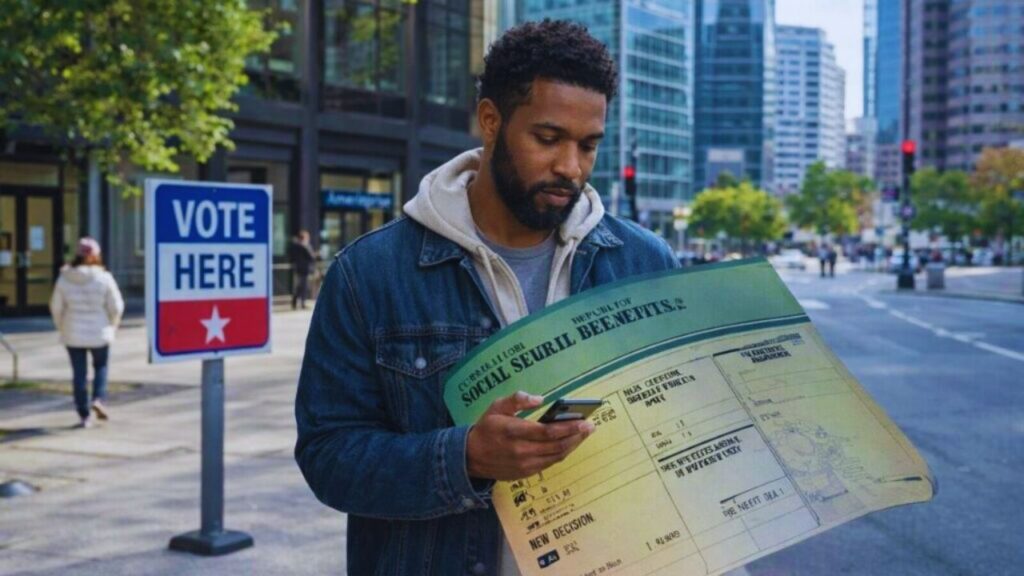
The Case for Linking Voting to Social Benefits
Proponents of this idea argue that voting is the cornerstone of democratic participation. By not voting, individuals are seen as not contributing to the political system that shapes their lives. Social benefits, they contend, are provided by the government, which is elected through voting. As such, there should be a form of accountability for those who benefit from the system without participating in it.

People who support this idea think that connecting social benefits to voting would motivate more citizens to get involved in politics and increase the number of people who vote. They say it is not right for people who choose not to vote to still receive all the benefits that come from living in a democracy. Basically they see not voting as giving up on your duty as a citizen. Taking away social benefits from non-voters might push people to participate in deciding what happens in their country.

The Case Against Linking Voting to Social Benefits
On the other hand, opponents argue that voting is a personal choice and should not be tied to receiving social benefits. There are several key points against this proposition:

- Civil Liberties: Voting is a right, not an obligation. To impose consequences on those who choose not to vote could be seen as an infringement on individual freedoms. People may have various reasons for not voting—whether it’s disillusionment with the candidates, a lack of information, or personal beliefs. Forcing people to vote under the threat of losing benefits could be seen as coercive.
- Inequality and Access: There are groups of people who face systemic barriers to voting, such as lower-income communities, racial minorities, and people with disabilities. These individuals may already struggle with access to resources, making it harder for them to vote. Penalizing them by reducing social benefits would disproportionately affect those who are already marginalized, further deepening social inequality.
- The Importance of Voluntary Participation: In a democracy, it is crucial that voting remain a voluntary act. Making voting compulsory or tying it to benefits could lead to resentment and disengagement. People should feel empowered to vote based on their values and beliefs, not out of fear of losing social benefits.
- Apathy vs. Protest: Some individuals may choose not to vote as a form of protest against the political system, feeling that none of the candidates align with their values. Penalizing them could inadvertently silence valid forms of dissent. Forcing people to vote could undermine the authenticity of their participation.
Potential Alternatives
Rather than punishing non-voters, there are other ways to encourage greater participation in elections:
- Voter Education and Outreach: Increasing efforts to educate citizens about the importance of voting and how the process works could empower people to become more engaged without coercion. Programs that focus on increasing accessibility for underrepresented groups can also help.
- Incentives for Voting: Rather than taking away benefits, governments could offer incentives for voting. For example, tax rebates, free public services, or increased access to social programs for those who vote could encourage participation in a more positive way.
- Civic Engagement Programs: Encouraging broader civic engagement through volunteer programs, community activities, and town hall meetings could foster a stronger connection between citizens and the political process, creating a sense of responsibility without the need for penalties.
Conclusion
While the idea of linking voting to social benefits may seem like a way to increase voter turnout, it raises significant ethical, legal, and practical concerns. It risks penalizing marginalized groups, undermining individual rights, and forcing participation in a way that could alienate citizens. Instead, fostering a culture of education, engagement, and empowerment may be a more effective and equitable way to encourage greater participation in the democratic process.
FAQ
# What are the benefits of voting in a democracy? Voting in a democracy gives citizens the power to shape their government and society. When people vote they can choose leaders who represent their values & interests. This creates a direct connection between what the public wants and how the country is run. One major benefit is that voting holds elected officials accountable. Politicians know they must deliver on their promises or risk losing their positions in the next election. This encourages them to listen to voters and work toward policies that benefit the community. Voting also ensures that different voices & perspectives are heard in government. When more people participate in elections the resulting policies tend to reflect the needs of a broader population rather than just a select few. This helps create a more balanced & fair society. Another advantage is that voting promotes civic engagement and awareness. People who vote typically pay more attention to political issues and become more informed about how government decisions affect their daily lives. This creates a more educated and involved citizenry. The act of voting also protects individual rights and freedoms. Democratic systems rely on regular elections to prevent any single person or group from gaining too much power. This system of checks & balances helps safeguard against tyranny and ensures that government remains responsive to the people. Finally voting gives people a sense of ownership in their democracy. When citizens participate in elections they become invested in the success of their community & country. This shared responsibility strengthens social bonds and encourages people to work together toward common goals.
A1: Voting is a basic right that lets people participate in decisions that impact their daily lives. It makes sure that government actions reflect what citizens want & helps democracy work properly.
Q2: Why do some people choose not to vote?
A2: There are many reasons why people may choose not to vote, including disillusionment with the candidates, lack of information, feeling that their vote doesn’t matter, or personal beliefs that voting is not meaningful.
Q3: How would linking voting to social benefits affect marginalized communities?
A3: Marginalized communities may face additional barriers to voting, such as lack of access to polling stations or voting resources. Penalizing non-voters in these groups could disproportionately affect those who are already struggling with systemic inequalities.
# Are There Alternatives to Linking Social Benefits to Voting? The idea of connecting social benefits to voting participation raises important questions about fairness and democracy. While some argue this approach could increase voter turnout, others worry it might create unfair pressure or exclude vulnerable groups. Fortunately, several alternatives exist that can encourage civic participation without tying it directly to essential support services.
## Automatic Voter Registration
One effective alternative is automatic voter registration. This system registers eligible citizens to vote when they interact with government agencies such as the Department of Motor Vehicles or social service offices. This approach removes barriers to registration without creating any penalties or incentives related to benefits. Studies show that automatic registration significantly increases the number of registered voters and makes the process more inclusive for people who might otherwise face obstacles.
## Making Election Day a National Holiday
Another option is to declare Election Day a national holiday or move elections to weekends. Many people struggle to vote because of work schedules and other obligations. By giving workers the day off or scheduling elections when most people are free, participation becomes easier without any coercive elements. This approach respects individual choice while removing practical barriers that prevent people from exercising their right to vote.
## Expanding Early Voting and Mail-In Ballots

Expanding access to early voting and mail-in ballots provides flexibility for voters with different schedules and circumstances. People can vote at times that work best for them over several days or weeks rather than being limited to a single day. This method has proven successful in many states and countries. It accommodates people with disabilities, those who work irregular hours, and anyone who faces transportation challenges.
## Civic Education Programs
Investing in civic education helps people understand why voting matters and how government decisions affect their daily lives. Schools and community organizations can teach citizens about the political process & the importance of participation. When people understand the connection between voting and policy outcomes, they become more motivated to participate voluntarily. This approach builds long-term engagement rather than relying on short-term incentives or penalties.
## Community Outreach and Engagement
Grassroots organizations and community groups can play a vital role in encouraging voter participation. These groups can provide information about candidates & issues help people register to vote, and even arrange transportation to polling places. Community-based approaches build trust & make voting feel more accessible and relevant to people’s lives. This method works particularly well in communities that have historically faced barriers to political participation.
## Improving Polling Place Accessibility
Making polling places more accessible & convenient can remove significant barriers to voting. This includes ensuring adequate numbers of polling locations in all neighborhoods, providing accessible facilities for people with disabilities, and reducing wait times. When voting becomes less of a logistical challenge more people are likely to participate without any need for benefit-related incentives.
## Online and Mobile Voting Options
Technology offers potential solutions for increasing voter participation. Some jurisdictions are exploring secure online or mobile voting systems that would allow people to vote from home. While security concerns must be carefully addressed, these technologies could eventually make voting as simple as using a smartphone app. This approach would be particularly helpful for people with mobility issues or those living in remote areas.
## Conclusion
Many alternatives exist to encourage voting without linking it to social benefits. These options focus on removing barriers & making participation easier rather than creating pressure through benefit systems. Automatic registration, flexible voting schedules, better civic education and improved accessibility all support democratic participation while respecting individual autonomy. These approaches recognize that the goal should be to make voting easier and more meaningful rather than to create systems that might exclude or pressure vulnerable populations.
# Alternative Approaches to Increase Voter Participation
Yes there are several alternatives available. One option is to offer voter education programs that help citizens understand the electoral process and the importance of their participation. Another approach involves creating incentives that encourage people to vote rather than punishing those who choose not to participate. Also, implementing civic engagement programs can foster a stronger connection between citizens and their democratic responsibilities. These methods focus on positive reinforcement & education to boost voter turnout without imposing penalties on non-voters.
Q5: Could mandatory voting be a solution?
A5: While mandatory voting is an option some countries have considered, it raises concerns about personal freedoms and may lead to forced participation. Voluntary voting is considered essential to maintaining authentic democratic engagement.
