
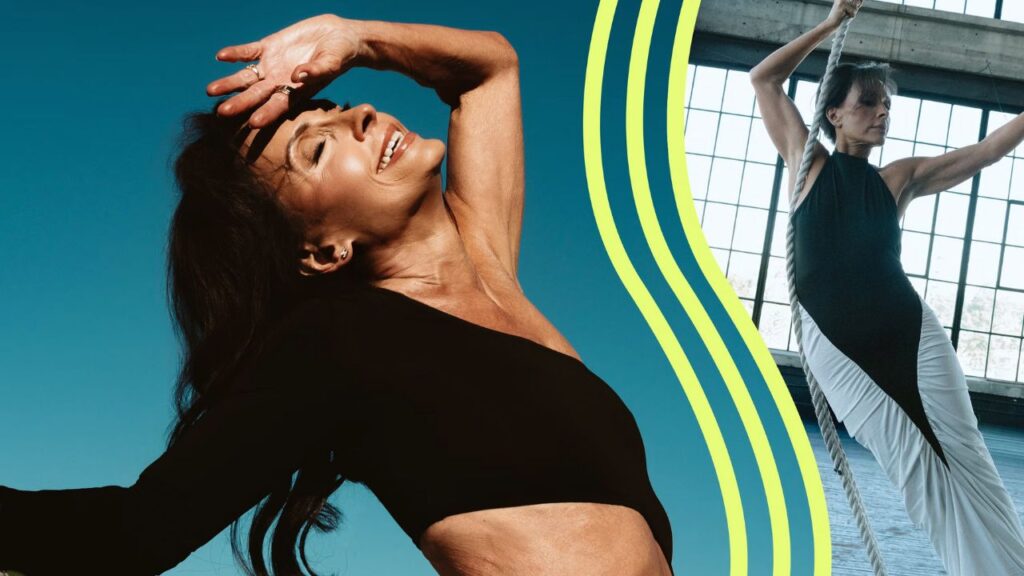
My whole life, movement was my identity. I was independent, energetic, and happiest when I was dancing, jogging, or pushing myself through cardio workouts. In my mid-60s, I even fell in love with Pilates, never imagining that my relationship with my body would change so suddenly. Then, three years ago at age 67, one devastating fall shattered that rhythm completely. I broke my left femur and both bones in my left wrist, and overnight, my active life came to a halt. The weeks that followed were some of the hardest of my life. I spent time in the hospital and nearly a month in an in-patient rehab facility, completely dependent on others. I needed a walker just to move, and everyday tasks like dressing myself or going to the bathroom required assistance. Losing that independence felt like losing a piece of who I was.
The emotional impact of losing mobility
Beyond the physical pain, the emotional toll was overwhelming. I slipped into depression, mourning the life I once had and fearing that this limited version of myself might be permanent. I felt trapped in my own body, especially since I had already gained weight in my late 50s and 60s. It was difficult to imagine ever feeling strong, confident, or free again. What kept me going were the constant reminders from my surgeon and physical therapist: my body hadn’t forgotten movement. The mind-muscle connection was still there, waiting to be reawakened. Recovery, they told me, would require patience, dedication, and just as much mental strength as physical effort.
 Goodbye Hair Dye for Grey Hair: What to Add to Your Conditioner for Natural Colour Revival
Choosing strength over limitation
I refused to let my story end with fear and restriction. Instead of focusing on what I had lost, I set a new goal—to become the strongest version of myself yet. Healing took time, but over six months, my bones repaired, my confidence returned, and I slowly regained independence. Walking unassisted again felt like a victory I would never take for granted. Still, one truth became clear: mobility alone wasn’t enough. To protect myself from future injuries and support my recovery, I needed real strength. When my doctor cleared me to exercise again about seven months after the accident, I returned to Pilates, starting from the very beginning. It was humbling, but deeply rewarding.
Discovering resistance training later in life
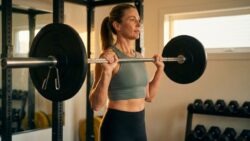
My doctor explained that improving bone density and preventing future fractures required resistance training. For most of my life, I had avoided weights, afraid they would make me bulky. That mindset changed when I began working with Barrett Weber, a trainer who specialises in injury recovery and longevity-focused strength training. We started slowly, focusing on mobility, bodyweight movements, and unilateral exercises to correct the muscle imbalances caused by months of compensating for my injuries. Over time, my functional strength improved dramatically. Everyday tasks became easier, pain faded, and my confidence in the gym grew. To my surprise, I didn’t just tolerate strength training—I fell in love with it.

Learning to fuel my body properly
Around the same time, I learned the importance of nutrition through my niece, Denise, who had transformed her own health through strength training and macro tracking. With her guidance, I learned how to properly fuel my body. Instead of restricting food, I began eating with intention—prioritising protein, carbohydrates, and healthy fats. Today, I eat four to five meals a day and aim for around 140 grams of protein daily. This shift helped me build muscle, support bone health, and even lose weight without feeling deprived. Reframing food as fuel rather than something to fear completely changed my energy levels and overall vitality.

Training consistently at nearly 71
More than three years after my accident, movement is once again a central part of my life. I train at least five times a week, focusing on muscle growth and long-term strength. I work with my trainer three days a week on upper-body, lower-body, and full-body sessions using both free weights and machines. Lower-body training is now my favorite—something I never imagined after breaking my femur. At nearly 71, I can leg press 300 pounds, deadlift 170 pounds, and squat 105 pounds. I even won a local weightlifting competition in my age group, a moment that still feels surreal.
Supporting recovery with Pilates and holistic care
Pilates remains an essential part of my routine. I attend reformer classes four to five times a week, appreciating the focus on breathwork, balance, and core strength. I also visit OsteoStrong weekly to support bone density, along with regular stretching and deep-tissue massages to keep my body resilient and pain-free.
The three principles behind my transformation
First, working with a coach who believes in my potential changed everything. Having someone who understands injury prevention while still pushing me safely has been invaluable. Second, I learned to value strength over thinness. Muscle is my foundation for independence, confidence, and longevity. Finally, I embraced the truth that my body is resilient. I am capable of hard things, no matter my age. Breaking three bones in my late 60s was terrifying, but it became a powerful wake-up call. Today, I feel stronger than I ever did in my 20s—physically, mentally, and emotionally. I plan to keep lifting, moving, and living fully for as long as I can. After all, I’d much rather be the oldest person in the gym than the youngest in a nursing home.
