
A smartly chosen space heater can quietly take over.
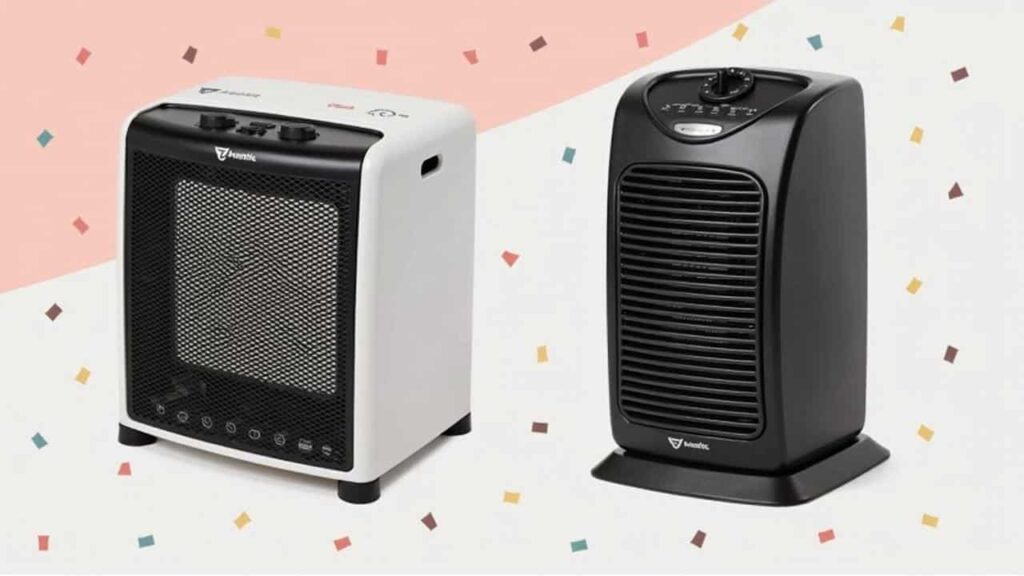
Across Europe and North America, more households are relying on portable heaters to target chilly rooms and tame their bills. Yet not all devices warm your home — or your wallet — in the same way. Some sip electricity, others gulp it. Some blast instant heat, others work slowly but steadily. So which type truly balances comfort with energy savings?

Why a space heater can make financial sense
Used well, a space heater is less a guilty winter indulgence and more a tactical tool. It’s designed to support, not replace, your central system.
 Meteorologists warn early February could mark the beginning of an Arctic destabilization event
- It heats only the room you’re in, instead of the whole house.
- It reacts quickly, ideal for short bursts of use.
- It can delay or reduce the need to raise the main thermostat.
Targeted heating can cut waste: warming 10 m² of living space uses far less energy than pushing every radiator in the house a few degrees higher.

The key is matching the device to the room, the duration of use and your insulation level. That’s where many households lose money: they buy the wrong type, then blame the heater instead of the choice.
The main types of space heaters on the market
From cheap fan heaters to oil-filled radiators that feel closer to central heating, each technology has a distinct profile.
Fan heaters: fast, noisy and energy-hungry
Fan heaters are the small box units you see in supermarkets and DIY stores for very low prices. They warm air using an electric element and push it out with a fan.
- Strengths: instant heat, feather‑light, easy to move, great for tiny spaces like bathrooms.
- Weak points: high electricity use, noticeable noise, barely suitable for larger rooms.
They’re like the espresso of heating: quick, intense, and not something you keep running all day. For a five‑minute blast by the sink on a winter morning they’re fine; for a three‑hour movie night they’re a poor choice for your bill.
Convector heaters: basic, decent, but not exactly thrifty
Convector heaters warm the air that passes through them, creating a gentle upward flow of hot air. They’re often slim panels on feet or mounted to the wall.
- Strengths: simple to use, reasonably comfortable heat, usually include a thermostat.
- Weak points: slower than a fan heater, consumption still fairly high, performance drops in poorly insulated rooms.
With a built‑in thermostat and timer, a convector can be managed more sensibly. Yet in energy terms, it remains a basic resistive heater. You pay roughly for the kilowatt‑hours you feed it, without the longer‑lasting benefit of more advanced designs.
Radiant panels: heating people and objects, not just air
Radiant or infrared panels emit heat in a way that’s closer to sunlight on your skin. Instead of focusing on the air, they heat surfaces, furniture and people first.
- Strengths: very pleasant, even warmth, potentially lower consumption in insulated spaces, discreet and often stylish.
- Weak points: higher purchase price, less convincing in draughty rooms, slightly slower effect than a fan heater.
Radiant heating can feel warmer at the same air temperature, meaning you may be comfortable at 19°C where a convector pushes you to 21°C.
That difference matters. Every degree shaved off the thermostat tends to reduce heating costs by around 5–7%. So, while the panel itself doesn’t create free energy, its comfort profile can encourage more frugal settings.
Oil-filled radiators: slow start, long-lasting comfort
Oil-filled radiators look like traditional radiators on wheels. An electric element heats sealed oil inside the unit, which then releases heat gradually.
- Strengths: soft, stable warmth, keeps emitting heat even after switch‑off, extremely quiet.
- Weak points: takes time to warm up, bulky and heavier to move, higher upfront cost than basic fan heaters.
Here, the concept of thermal inertia comes in. Once the mass of oil is hot, it stores that energy. Turn the unit off and it continues to warm the room for a while without consuming more power.
An oil-filled radiator often delivers better long‑term efficiency for multi‑hour use than a cheap fan heater that must run constantly to maintain the same comfort level.

For a home office where you sit six hours a day, this type of heater frequently emerges as one of the most balanced choices, especially if the room is reasonably insulated and the thermostat is used sensibly.
Paraffin and gas heaters: powerful but not for every home
Combustion heaters running on paraffin or gas still have their place. They’re often used in workshops, garages, holiday cabins or rooms with no electric heating.
- Strengths: very high heating power, independent of the electrical grid, effective for cold, leaky spaces.
- Weak points: need regular maintenance, create fumes and moisture, require good ventilation, fuel prices can fluctuate.
In a well‑insulated flat, they’re rarely the safest or most economical route. In a barn or shed where pipes must not freeze, or in rural areas prone to power cuts, they can be a lifeline — but only with strict attention to ventilation and carbon monoxide risks.
Comparing heating performance, comfort and costs
The table below sums up how these options stack against one another for everyday domestic use.
| Type | Warm‑up speed | Comfort | Energy profile | Typical price (US/UK equivalent) | Best use case |
|---|---|---|---|---|---|
| Fan heater | Very fast | Average | High consumption | Low (approx. £20–£45 / $25–$50) | Short use in a very small room |
| Convector heater | Moderate | Decent | Moderate to high | Affordable (approx. £40–£120 / $50–$150) | Occasional heating of a medium room |
| Radiant panel | Moderate | Very good | Reasonable when room is insulated | Mid‑range (approx. £90–£260 / $100–$300) | Regular, gentle heat in a well‑insulated room |
| Oil-filled radiator | Slow | Excellent | Economical over long sessions | Mid‑range (approx. £70–£180 / $80–$200) | Prolonged use in a closed, insulated space |
| Paraffin / gas heater | Fast | Good | Fuel‑dependent, often moderate to high | Variable (approx. £90–£260 / $100–$300) | Temporary heating in poorly insulated or off‑grid spaces |
So which heater really balances efficiency and savings?
Based on the way these devices work, two families stand out when the goal is both comfort and controlled costs: radiant panels and oil‑filled radiators.
For multi‑hour use in a standard room, radiant panels and oil-filled radiators typically provide the best trade‑off between electricity use and perceived comfort.
The radiant panel wins when the room is well insulated and you want a thin, wall‑mounted solution that feels gentle and modern. It shines in living rooms and bedrooms where you spend time sitting still and value that “sun on your skin” sensation.
The oil-filled radiator becomes the favourite in offices, spare rooms and small lounges where you need stable, long‑lasting heat. Its inertia makes it particularly suited to people who work from home or keep to a regular daily routine.
Fan heaters and simple convectors still have their place, but mainly for short sessions. Once you pass the one‑hour mark, the kilowatt‑hours used by a fan heater start to look expensive compared with a device designed for endurance rather than instant gratification.
How to choose based on your own home
Three quick scenarios
- The chilly home office: You work there five days a week. A 1,000–1,500 W oil-filled radiator with a thermostat is usually more cost‑effective than a 2,000 W fan running on and off all day.
- The cold bathroom at 7 a.m.: You’re in and out in 15 minutes. A small fan heater used briefly, with a strict switch‑off habit, can be reasonable.
- The large, open‑plan living room: Insulated, south‑facing, used every evening. A radiant panel supplementing a slightly lower central thermostat can improve comfort without blowing the budget.
Biggest mistakes that push bills up
- Using a fan heater as a permanent substitute for central heating.
- Leaving a heater running in empty rooms “just to keep them nice”.
- Ignoring drafts and poor insulation, then blaming the heater for weak performance.
- Buying an oversized unit “just in case”, and running it at full power.
Key concepts worth knowing: power, kWh and inertia
Two numbers on the box matter: the wattage (W) and your electricity price per kilowatt‑hour (kWh). A 2,000 W heater uses 2 kWh in one hour at full power. If your tariff is £0.30 per kWh, that’s 60 pence for a single hour of continuous use.
Thermal inertia, by contrast, isn’t written as a number but felt in practice. Oil-filled radiators and, to a lesser degree, some radiant panels keep giving off warmth after switch‑off. In real life, that means you can accept slightly slower warm‑up because you get more “free tail” heat at the end of a session.
Combining strategies for lower bills
A space heater works best as part of a wider strategy, not as a magic gadget. Simple moves amplify its effect: sealing gaps around windows, drawing curtains after dark, using draught excluders under doors, and wearing an extra layer before pushing the thermostat higher.
Many households also use time‑of‑use tariffs or smart plugs. Setting a heater to turn off automatically after 45 minutes reduces the risk of leaving it on for hours. In some cases, slightly pre‑heating a room before peak‑price periods, then relying on the inertia of an oil-filled radiator, cuts costs further.
Used this way, the “right” heater isn’t just a device on wheels or on the wall. It becomes a lever you pull with intent: heating the space where you are, when you actually need it, at the lowest reasonable energy cost.
