
Yet one small oversight can quietly turn them deadly.
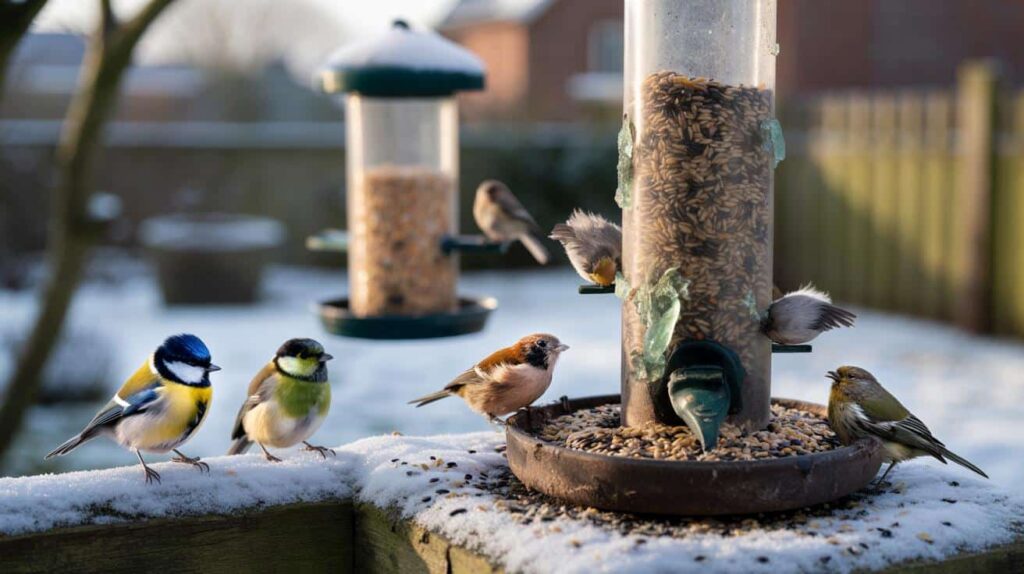
Across Britain and North America, millions of people put out seeds for birds once the first frosts arrive. The gesture feels simple and generous: fill the feeder, head back inside, and enjoy the show from the kitchen window. But when winter moisture creeps into those seeds, that kindness can backfire fast, creating a hidden health crisis for the very birds we’re trying to help.

When a generous feed becomes a hidden threat
Most gardeners top up feeders to the brim, especially during cold snaps. It saves going out in the sleet, and it looks reassuringly abundant. The problem starts when those generous heaps of seed sit outside for hours or days in damp air, drizzle or wet snow.

Birdseed is highly absorbent. Sunflower seeds, peanuts and mixed grains soak up water from rain, fog and melting frost. What still looks like a rich buffet from a distance has already started to deteriorate.
 This old-school moisturizer, not from big brands, is now ranked number one by dermatology experts
Wet seed loses calories, spoils rapidly and can shift from “helpful” to “harmful” in a single chilly, damp night.
For small birds, calories are everything in winter. They burn energy at a ferocious rate just to stay warm. If the food they find has already lost much of its energy value, they struggle to replace the fat reserves they need to make it through the night.
Why wet seeds can actually kill birds
The real danger of wet seed is microbial, not just nutritional. Damp, compacted seed sitting in a feeder is almost a perfect incubator for fungi and bacteria.
Once seeds stay moist for more than a short time, moulds start to form. Species such as Aspergillus can grow unnoticed deep in the feeder where you rarely look. Birds then swallow contaminated seeds, and the spores invade their respiratory or digestive system.
From the outside, a feeder can look only slightly clumped. Inside, the seeds can be laced with mould toxins and harmful bacteria.
One of the best-known culprits is salmonella. This bacteria thrives where damp seed mixes with bird droppings on crowded feeding spots. An infected bird may appear fluffed up, lethargic and unusually tame before dying, sometimes within days.
How disease spreads at the feeder
Feeders create unnatural crowding. In a hedgerow, birds rarely share a single branch with dozens of others for long. On a garden feeder, they queue, push and land on the same wet, dirty surfaces again and again.
- One sick bird contaminates the seed with saliva and droppings.
- Moisture keeps the bacteria alive and helps it multiply.
- Every visiting bird pecking that seed gets a dose.
By the time a gardener notices a strange smell or visible mould, a local outbreak may already be underway. Garden feeding stations are regularly linked by researchers and charities to spikes in salmonellosis among finches and other small passerines.
The frozen block that starves birds in plain sight
Dampness doesn’t only trigger disease. When the temperature drops sharply overnight, the moisture in those seeds freezes. The result is a solid, stone-hard lump wedged in the feeder.
To a robin or blue tit weighing barely a few grams, that frozen mass is almost impossible to break apart. Birds can be seen hammering away at it in the morning chill, spending precious energy for barely any reward.
On a sub-zero morning, a feeder packed with frozen, clumped seed can be as useless as an empty one – and far more exhausting.
Every peck costs heat. If birds burn through their remaining fat stores trying to chip at ice-bound food, they reach nightfall with nothing left in reserve. Many small birds that seem “fine” in the afternoon simply fail to wake up the next day.
Smarter feeders: keeping the banquet dry
The good news is that gardeners do not need to stop feeding. They just need to manage moisture. The type of feeder you use makes a huge difference.
Choosing better designs
Certain designs protect seed far better than open trays or decorative platforms.

| Feeder type | Moisture risk | Best use |
|---|---|---|
| Tubular “silo” feeder | Low, if well covered | Sunflower hearts, mixed seed |
| Covered tray feeder | Medium | Larger birds, mixed foods |
| Open table | High | Short, supervised feeding only |
Tube feeders limit the surface exposed to rain and sleet. For flat platforms or tables, a solid, overhanging roof and a raised, mesh base that lets water drain away are crucial. A few small holes drilled in the base can be enough to stop water pooling beneath the seed.
Rationing instead of stockpiling
One of the simplest changes is psychological: stop treating the feeder like a weekly storage bin. Birds benefit far more from small, fresh amounts than from huge, ageing piles of food.
Offer only what birds will eat in a day, then top up the next morning rather than once a week.
A good rule of thumb is to add seed in the morning and check again mid-afternoon. If a lot remains, you are putting out too much or using the wrong type of food for your local visitors. Reduce the portion until most of it disappears before dusk.
Hygiene habits every winter feeder needs
Hygiene matters as much as feeder design. Cold weather slows decay, but it does not stop it. Nor does it kill all bacteria and fungi.
Simple routines can sharply cut disease risk:
- Inspect feeders after heavy rain, snow or freezing fog.
- Discard any seed that looks clumped, darkened, dusty with mould or smells sour.
- Wash feeders regularly with warm water and a mild disinfectant such as diluted vinegar.
- Rinse thoroughly and allow to dry completely before refilling.
- Move feeders occasionally to prevent a build-up of droppings beneath them.
Charities often recommend cleaning feeders at least once a week in winter, and more often during very wet spells or if you see any sick-looking birds.
Understanding the fine line birds walk in winter
To grasp why wet seed is so dangerous, it helps to picture a typical winter day for a small garden bird. A blue tit may weigh as little as a pound coin. In a frosty night, it can burn through a large share of its body fat just to keep its core temperature stable.
That means every day is a race: find enough high-energy food, fast, or fail to survive the next cold period. When a bird reaches your garden and finds only low-calorie, mouldy or frozen seed, it loses precious time and energy. There is no guarantee it will find a second feeding spot before dark.
What “dry and safe” really looks like
Gardeners sometimes assume seed is fine as long as it is not visibly rotten. In reality, the danger starts earlier. A few simple checks make a real difference:
- Seed flows freely when you tilt the feeder – no clumps or stuck sections.
- No condensation or frost inside the tube or under the roof.
- No green, white or grey fuzz on any surface.
- No musty, sour or “earthy” smell when you open the feeder.
If any of these warning signs appear, throw the contents away, clean the feeder, and start again with a smaller amount.
Extra winter help beyond seeds
Seeds are only one part of the winter survival kit for birds. Gardeners can support their visitors in other ways that sidestep the moisture problem altogether.
High-fat foods such as suet blocks, suet pellets and fat balls (without the plastic mesh) cope better with damp weather than loose seed, especially when hung under a decent cover. Fresh water is also critical. A shallow, ice-free dish lets birds both drink and bathe quickly to maintain their feathers, which are their main insulation.
Planting berry-producing shrubs, leaving seed heads on perennials, and resisting the urge to “tidy” every corner of the garden gives birds natural feeding options that do not depend on feeders at all. These wild sources are often drier, more varied and less likely to spread disease than a single crowded table.
For anyone who loves watching birds at breakfast time, the message is clear: feeding still saves lives in harsh winters, but only when the food is dry, clean and easy to reach. A smaller, fresher handful of seed in a well-designed, well-kept feeder can be the difference between a hard winter and a fatal one for the feathered regulars at the end of your lawn.
