
And then there are those who seem genuinely built for hugging.
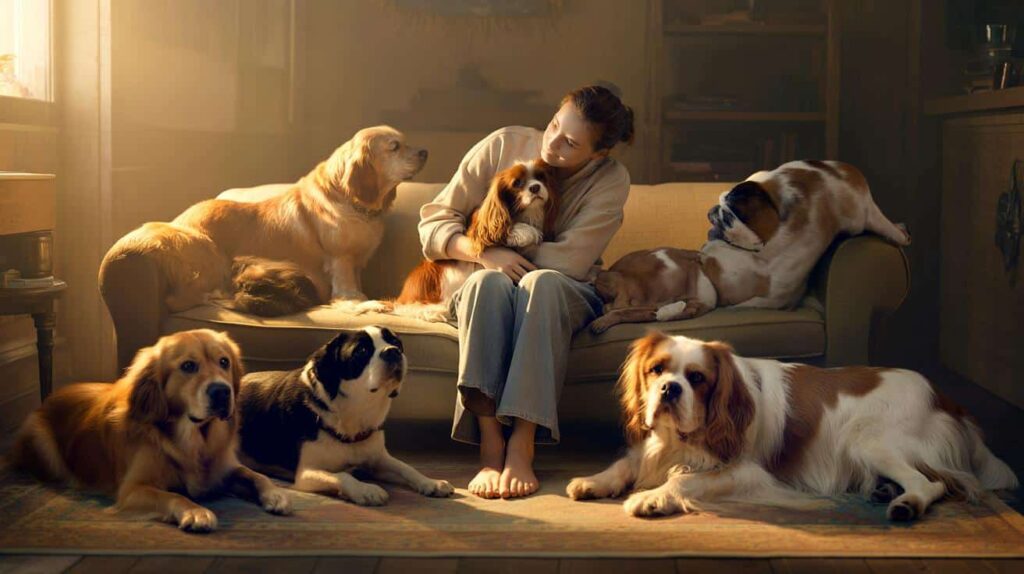
You might be scrolling adoption ads, torn between several breeds and lifestyles, but secretly you already know your priority: affection. You want a dog that leans in, follows you from room to room and melts into your arms on the sofa. Certain breeds are especially known for their tactile, people-focused nature – provided they’re well raised and respected as individuals.

Choosing a dog when cuddles are a priority
People often pick a dog for its size, look or energy level. Yet for many households, emotional connection comes first.

Affection is not just “being cute” – it’s a mix of temperament, socialisation and how much a dog genuinely enjoys human contact.

Some breeds have been selected for centuries to live close to people, work alongside families or spend long hours by their side. These dogs tend to seek out touch, eye contact and shared routines more than others.
Here are several breeds frequently described by behaviourists and owners as especially affectionate and cuddly in everyday life.
The cavalier King Charles spaniel: a lap dog that means it
The cavalier King Charles spaniel is often described as a shadow with fur. This small spaniel typically prefers your lap to its bed and quickly bonds with the whole household.
Originally bred as a companion for nobility, the cavalier lives for human contact. Many owners report that their dog follows them from room to room and settles wherever a hand is free to stroke them.
This is a dog that rarely chooses solitude and often seeks physical closeness as a way to feel safe.
Behind its gentle expression, the cavalier is lively and quite sporty. It usually enjoys short training sessions, agility games and learning tricks, as long as it can return to cuddles afterwards. The breed generally adapts well to city flats or houses in the countryside, provided it has company and daily walks.
Golden retriever and Labrador: classic family snugglers
Golden retrievers and Labradors have become almost shorthand for “family dog”, and their affectionate nature is a big reason why.
Why they fit so well with children
These retrievers are typically patient, playful and very tuned in to human moods. Their reputation as assistance and therapy dogs rests on several traits: intelligence, desire to please and a strong ability to form close emotional bonds.
In many homes, these dogs act like gentle big siblings. They often tolerate clumsy hugs from children, join in garden games and then flop next to the sofa for evening cuddles.
For many families, a Labrador or Golden is less a pet than a reassuring, furry presence that anchors daily life.
They do have needs: long walks, mental stimulation and clear training. A bored retriever can become destructive or overly excitable, which reduces the calm, cuddly moments you’re probably dreaming of.
Boxer and German shepherd: affectionate and protective at once
The boxer’s clownish tenderness
The boxer is often pictured as athletic and a little boisterous, but people who live with one will tell you: this is a deeply emotional dog.
Boxers tend to form very strong attachments to their family. Many seek physical contact constantly – leaning on legs, placing a paw on your arm, or curling beside you with a heavy sigh. They are famous for their loyalty and for putting themselves between their humans and any perceived danger.
Without guidance, that enthusiasm can become too intense: jumping up, rough play or overprotective behaviour. Early education and socialisation help channel that energy into affectionate, safe interactions.
The German shepherd’s serious side, with a soft core
The German shepherd is often associated with police or security work, yet in many homes it is a gentle, devoted companion.
Well-bred shepherds generally show a mix of confidence and sensitivity. They can be playful and affectionate with their family while remaining wary of strangers. Many enjoy games, tasks and learning new commands, then relax by resting at your feet or leaning against you on walks.
For people seeking both emotional support and a sense of protection, these two breeds often tick every box – love, loyalty and watchfulness.
The pug: compact cuddle machine
The pug divides opinion. Some find its flat face endearing, others hesitate. Yet many sceptics change their mind after meeting one on a sofa.
Typically sociable and people-centred, pugs like to be in the middle of family life. They often settle right next to their humans, asking for belly rubs with wide, expressive eyes. Their playful, slightly clownish personality helps break the ice with guests and children.

Because of their brachycephalic (short-nosed) anatomy, pugs can struggle with heat and intense exercise. Affection for this breed means being careful with long walks in hot weather and avoiding strenuous games. Short play sessions and long cuddle breaks suit many pugs perfectly.
The English bulldog: calm, loyal and always nearby
The English bulldog may look grumpy, but its temperament is usually anything but. Often calm and easy-going, this dog tends to bond strongly with its household and dislikes being left out.
Many bulldogs enjoy slow strolls followed by long naps pressed against their human on the sofa or at their feet under a desk. They can be patient with children and often adapt well to both younger and older owners, provided they are not pushed beyond their physical limits.
What the English bulldog lacks in athleticism, it often compensates with steady, comforting presence and gentle affection.
This breed can be sensitive to heat, stairs and excessive exercise. The more you adjust your lifestyle to its physical needs, the more relaxed and cuddly it is likely to be at home.
The Newfoundland: affection in XXL format
The Newfoundland is one of the giants of the canine world, but many owners describe them as “gentle giants” with a surprisingly soft attitude.
Bred historically for water rescue and heavy work, Newfoundlands often show a calm, patient nature. They frequently enjoy leaning their full weight against you, resting their head on your lap, or lying nearby like a living, breathing rug.
The main challenge is managing their size in everyday life. A “small” affectionate nudge from a Newfoundland can send a child staggering. Thoughtful training and teaching children how to interact safely are crucial.
Once you accept the drool and the paw prints, a Newfoundland can feel like having a giant, furry comfort blanket following you around.
What really shapes an affectionate dog
Breed gives clues, but no label can fully predict how cuddly an individual dog will be. Several factors influence a dog’s desire for hugs:
- early experiences with gentle handling and people
- quality of socialisation as a puppy and adolescent
- health and absence of pain
- respect of boundaries – not forcing contact
- daily routine, stress level and amount of exercise
Some dogs love full-body hugs, others prefer to sit near you without direct pressure. Learning to read your dog’s signals – relaxed posture, soft eyes, leaning in versus turning away or licking lips – helps build genuine affection grounded in consent.
Matching the right “cuddle dog” to your lifestyle
A highly affectionate dog is not always low maintenance. Many of the breeds mentioned here need time, attention and structure.
| Breed | Typical affection level | Energy needs | Best suited for |
|---|---|---|---|
| Cavalier King Charles | Very people-oriented, lap-loving | Moderate, enjoys walks and play | Flats or houses, people present most of the day |
| Labrador / Golden retriever | Affectionate, family-focused | High, needs daily activity and stimulation | Active families with time for training |
| Boxer | Intensely attached, demonstrative | High, thrives on sport and games | Sporty owners ready to train |
| German shepherd | Devoted, protective affection | High, needs tasks and mental work | Experienced owners, structured homes |
| Pug | Velcro dog, loves close contact | Low to moderate, avoid heat | People wanting a small, indoor companion |
| English bulldog | Calm, steady cuddles | Low, short walks | Quiet homes, people comfortable with snoring and care |
| Newfoundland | Very gentle, tactile | Moderate, needs space and water-safe exercise | Spacious homes prepared for a giant dog |
When affection turns into dependence
Dogs that adore cuddles can be prone to separation-related problems if they are never taught to cope alone.
Signs to watch for include pacing when you leave, barking, destructive chewing or toileting indoors. These are not spiteful acts but signs of distress in a dog that struggles with solitude.
Teaching a young cuddly dog to enjoy short periods of calm, independent rest is one of the kindest gifts you can offer.
Practical steps include giving a chew or food puzzle before you step out, creating a safe resting spot, and gradually extending the time you are away. Professional help from a qualified behaviourist is worth seeking if anxiety appears.
Understanding a few useful behavioural terms
When choosing a cuddle-prone breed, you may come across terms such as “attachment”, “resource guarding” or “body sensitivity”.
Attachment describes the emotional bond between dog and caregiver. A secure attachment means the dog feels safe enough to explore but returns to you for reassurance and contact. Over-attachment can lead to anxiety when separated.
Body sensitivity refers to how a dog reacts to touch. Some love being handled all over; others dislike contact with paws, tail or ears. Gentle desensitisation – pairing touch with treats and going slowly – can increase tolerance and, over time, make cuddles more enjoyable for both of you.
In daily life, the most rewarding “cuddle dog” is not only the one that looks for your arms, but the one whose needs, health and temperament suit your routine. A well-chosen, well-treated dog from any of these breeds can turn an ordinary evening on the sofa into a quiet, shared ritual that holds a whole family together.
