
On a grey Tuesday in Leeds, Mark stood in his kitchen, brand-new LED bulbs glowing overhead, kettle humming softly. He’d spent the previous weekend wobbling on a ladder, swapping every old bulb in his three-bed semi for sleek, efficient LEDs. The warm white light felt almost smug, like the house was finally catching up with 2025. He expected the next electricity bill to reward him with a satisfying drop. A little pat on the back from the energy gods.
When the email pinged in, he opened it with a small smile. Then he checked the total, checked again, scrolled, frowned. The bill wasn’t lower. It was higher.

The LEDs were shining. The numbers on the bill were too.
 If the ATM keeps your card, this fast technique instantly retrieves it before help arrives
When “energy saving” doesn’t save a penny
Mark’s first reaction was the same as yours might be: the supplier must have made a mistake. He’d done the sensible thing, spending around £120 on decent LED bulbs from a reputable brand. The packet shouted “up to 85% energy savings” in large green letters. The adverts, the comparison sites, even his neighbours said the same thing. Change your bulbs, cut your bill.

So why was he staring at a total that had jumped by almost £18 compared to the same period last year? The lights were cheaper to run. The bill didn’t care.
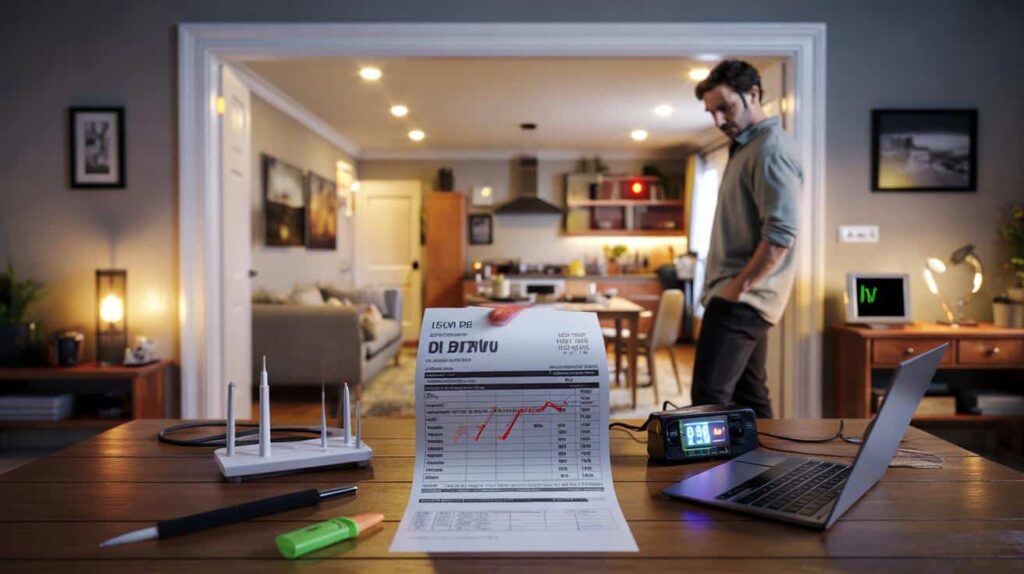
A week later, still baffled, he printed two bills: one from last winter, one from this autumn. Sat at his dining table, highlighter pen in hand, he started comparing line by line. The unit price per kWh had crept up. The daily standing charge had climbed. A “previous balance adjustment” he barely remembered paying was now gone, so the new total felt even more brutal.
Then he noticed something else. The hours at home had changed. His partner was now working remotely three days a week. The kids got tablets over the summer, and the old Xbox had migrated from the loft back to the living room. The lights were cheaper, yes. The life around them was not.
This is the quiet trap hiding behind many “quick win” energy hacks. You fix one small piece of the puzzle and expect your entire bill to bow in gratitude. LEDs can slash the cost of lighting, no question. Yet lighting is often just 10 to 15% of a typical UK home’s electricity use. If your tariff rises by 30%, if your heat pump or electric heater is working harder, if your fridge is ancient, the saving from your bulbs gets drowned out by bigger, hungrier appliances.
*The maths doesn’t care how proud you feel about your new light fittings.*
The invisible culprits on your electricity bill
The first practical step is brutally simple: read your bill, not just the big scary number. Break it down into its core parts. There are usually three: unit price (what you pay per kWh), standing charge (a daily fee just for having a connection), and actual consumption. Mark had focused only on consumption, assuming that if that went down, everything would follow.
When he finally sat down with his supplier’s app, he spotted that his unit price had jumped twice in twelve months. Same lights, same sockets, more expensive electricity.
Then came the surprise most people never think about: “vampire” loads. Mark borrowed a £20 plug-in energy monitor from a colleague and started testing plugs one by one over a weekend. The old Sky box in standby, the games console on “instant on”, the coffee machine with its little glowing clock, the broadband router, the second TV in the bedroom that was “never really on”.
Individually, each swallowed pennies per day. Together, they were quietly burning more than his entire lighting system after the LED upgrade. The lights had been the visible villain. The real thieves were hiding in plain sight, humming away 24/7.
There’s a psychological twist here too. When people switch to LEDs, they often feel they’ve earned the right to use them more freely. Lights left on in every room “just in case”, the garden lit all evening “because they’re cheap to run”. Behaviour shifts without anyone noticing. Economists call this a rebound effect. You save on efficiency, then spend part of that saving on extra usage.

Let’s be honest: nobody really goes around the house every night switching off absolutely everything. And some smart-home systems even keep more devices awake, constantly listening, permanently connected. A small win in one corner becomes a silent loss in three others.
How to cut your bill when LEDs aren’t enough
The trick is to treat LEDs as the starting point, not the finish line. Begin with a quick, calm home audit. Not a spreadsheet, not a lecture. Just a slow walk around your home with your phone’s notes app open. Look for anything with a tiny light on it when you think it’s “off”. TV, speakers, chargers, smart speakers, printers, baby monitors, set‑top boxes.
For each one, ask a blunt question: does this need power 24 hours a day? If the answer is no, plug it into a cheap power strip you can flick off in one go. One click before bed, a few pounds saved each month.
A lot of UK households fall into the same gentle trap as Mark. We upgrade the easy, visible things — bulbs, maybe the kettle — and postpone the boring, heavier decisions. The 15‑year‑old fridge that hums non‑stop, the electric towel rail that’s permanently on, the old tumble dryer used for almost everything, even when the weather is fine.
There’s no shame in it. Money is tight, time is short, and most of us live half on autopilot. The key is to spot the one or two biggest guzzlers, not punish yourself over every phone charger. That’s where the real savings are hiding, quietly waiting to be noticed.
At one point, Mark found himself standing in front of his consumer unit, staring at the rows of switches like they might reveal a secret. They didn’t. But the whole journey shifted his mindset.
“I felt a bit cheated at first,” he told me. “You’re sold this story that LEDs will cut your bill, job done. What nobody says is that your tariff can jump, your life can change, and suddenly the math doesn’t look so clever. The bulbs were never the problem. They just weren’t the full answer.”
To keep things concrete, here’s the simple “LED plus” checklist that finally stabilised his bill:
- Track your unit rate and standing charge at least once per quarter
- Put anything non-essential on switchable power strips
- Use a plug-in monitor on your top five appliances
- Set your washing machine and dishwasher to eco cycles by default
- Review smart-home devices and turn off features you don’t really use
When the light comes on about how you really use energy
Mark’s story isn’t a failure; it’s a snapshot of how messy real life is behind the neat promises on packaging. LEDs are still one of the smartest upgrades you can do in a UK home. They cut heat waste, they last longer, they shrink the slice of your bill linked to lighting. The catch is that electricity bills are no longer just bills. They’re a mirror of how we live: how much we’re home, how many screens we own, how many devices never really sleep.
We’ve all been there, that moment when you think you’ve done everything “right” and the numbers still won’t play along.
The plain truth is that saving on energy now sits at the crossroads of prices, habits, and tech. A small bulb swap can’t fight off a rising tariff or a full house. Yet that doesn’t mean you’re powerless. It means the game is wider than you were told. From checking your tariff band to timing your high‑load appliances, from taming standby mode to slowly replacing old white goods, each small decision adds a layer.
Some nights, Mark still walks through his house, turning lights off out of habit. Not out of guilt, not out of panic, just with a bit more awareness. The LEDs are still there, quietly doing their job. The rest of the savings are coming from the things he used to ignore. And that, oddly, is where the real control starts.
| Key point | Detail | Value for the reader |
|---|---|---|
| LEDs cut lighting costs | Lighting is only a small share of total electricity use, so savings may be hidden | Prevents disappointment and sets realistic expectations |
| Tariffs and habits matter | Rising unit prices and increased time at home can outweigh bulb savings | Encourages checking contracts and daily routines, not just hardware |
| Target big energy users | Old appliances and standby devices often consume more than lighting | Helps focus effort where the biggest savings actually lie |
FAQ:
- Why did my bill go up after installing LEDs?Because other factors — like higher unit prices, longer time spent at home, or more appliance use — likely increased your overall consumption or cost, masking the savings from lighting.
- How much can LEDs really save on a UK bill?For many homes, switching all bulbs to LEDs might shave roughly 5–10% off your electricity use, depending on how many lights you have and how long they’re on.
- Are “vampire” devices really that expensive to run?Individually they cost pennies, but dozens of gadgets left on standby can add £50–£100 a year, sometimes more in tech-heavy homes.
- What should I check first if my bill suddenly jumps?Start with your unit rate and standing charge, then look at any change in your daily routine, new appliances, or more time spent working from home.
- Do I need a smart meter to understand my usage?It helps, but it’s not essential; a simple plug-in monitor plus a careful reading of your bill can already reveal your biggest energy drains.
