Just as you step onto the aircraft, a smiling face greets you. Behind that simple “hello” lies a serious mission.
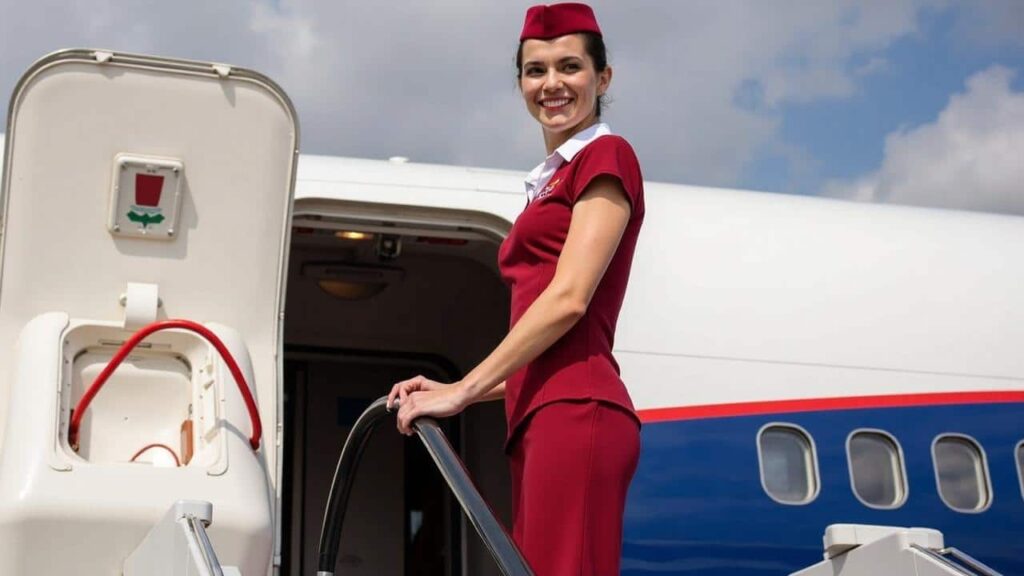
For most passengers, that warm greeting at the aircraft door feels like a small, reassuring ritual before take-off. Yet cabin crew are not only being friendly. In those first few seconds, they are quietly assessing you, your health and even how you might behave thousands of feet in the air.
That friendly “hello” is a safety check in disguise
Air travel can feel chaotic long before you reach your seat. You battle the right terminal, queues at security, a rush to boarding and overpriced snacks at the gate. By the time your group is called, you may already be exhausted or stressed. Then comes the apparently calm moment: you step onto the plane and a flight attendant smiles and says “hello”.
Most travellers assume that greeting is just basic courtesy, or perhaps part of a corporate “service culture”. Some even like to think of it as a good-luck charm before the doors close and the jet accelerates down the runway. Courtesy is definitely part of the picture, but it is far from the whole story.
Cabin crew use the first greeting to scan for passengers who might be drunk, seriously unwell, distressed or potentially disruptive.
As you walk past, they quickly note your posture, your eyes, your speech and even how you handle your hand luggage. Are you steady on your feet? Do you smell strongly of alcohol? Are you pale, sweating or struggling to breathe? That two-second interaction gives them valuable clues.
Why airlines need this human “filter” at the door
Once the aircraft leaves the stand and heads for the runway, options become limited. After take-off, removing a difficult or dangerously ill passenger is no longer straightforward. It could mean diverting the flight, turning back or making an unscheduled landing.
These decisions are expensive and disruptive. They delay hundreds of people, force crews to work longer and cost airlines tens of thousands in fuel and logistics. Avoiding those situations starts with the boarding process.
Cabin crew members act as an early-warning system. Their job at the door is to spot:
- Passengers who appear intoxicated or under the influence of drugs
- People showing signs of severe illness or extreme weakness
- Highly agitated, aggressive or erratic behaviour
- Those so anxious they may not cope with basic safety instructions
If someone raises red flags, the crew can quietly alert the senior flight attendant and the captain. Ground staff and airline security may be called in. Sometimes the passenger is denied boarding; sometimes they are assessed more closely and allowed on with conditions.
Preventing one aggressive, drunk or seriously ill passenger from boarding can avoid a mid-air crisis that endangers everyone on board.
When a smile hides firm rules
Airlines and regulators give cabin crew real authority in this area. In many jurisdictions, the captain has legal power to refuse carriage to anyone who appears unfit to fly. Flight attendants are the eyes and ears at the door.
They are trained to distinguish between someone who had a glass of wine at the bar and someone who can no longer walk straight or form clear sentences. They pay attention to slurred speech, loud or confrontational language, the smell of alcohol, bloodshot eyes and exaggerated movements.
The same goes for health. Shortness of breath, severe coughing, clutching the stomach in visible pain or struggling to remain conscious are all warning signs. While minor ailments are fine, a passenger with a serious medical condition might need treatment or monitoring that an aircraft simply cannot provide safely.
Yes, some passengers try to fool them
Not everyone is honest about their state. Some people will do anything not to miss a flight, especially at the end of a holiday or in the middle of an expensive trip. They may walk a little straighter, speak carefully and avoid asking for help to keep suspicions at bay.
This means the door check is not perfect. A person can appear composed while hiding strong pain or serious illness. Others may moderate their behaviour long enough to pass the greeting stage, then start drinking heavily once seated. Cabin crew know this and remain on alert during the entire boarding period and after take-off.
How crew quietly pick potential helpers too
Safety checks at the door focus on risk, but crew are also looking for potential allies. During boarding, they mentally note passengers who could assist in an emergency. That might sound dramatic, yet in a real evacuation, a few capable people can make a huge difference.
As you say “hi” back, the crew may be thinking: could this person open an emergency exit or help others evacuate?
They scan for people who:
- Move confidently and have no obvious mobility issues
- Appear calm under pressure and attentive to instructions
- Speak the main language used by the crew, often English
- Travel alone and do not need to supervise young children
These observations guide where passengers are seated near emergency exits. Regulations require those seats to be occupied by people physically and mentally able to operate the doors, follow instructions quickly and assist others. The initial greeting helps crew decide who fits that profile.
More than service: the hidden workload of cabin crew
Many travellers still see flight attendants as mainly “meal and drinks” staff. In reality, their core role is safety and security, from the moment the first passenger boards until the last one leaves the aircraft.
| Main task | What passengers see | What actually happens |
|---|---|---|
| Boarding greeting | Smiles and “hello” | Screening for intoxication, illness, anxiety and potential helpers |
| Cabin checks | Walking up and down the aisle | Verifying seats, belts, luggage, doors, equipment and unusual behaviour |
| In-flight service | Food, drinks, duty-free | Continuous monitoring of passengers’ condition and cabin environment |
| Emergencies | Rarely visible | Medical response, conflict management, evacuation coordination |
The greeting at the door fits into this broader pattern. It is an early scan, a quick read of the cabin’s “mood” for that flight. Are people calm, tired, excitable, already tipsy? That impression helps crew plan how closely to monitor certain rows, who might need reassurance and where tension could arise.
What this means for you as a passenger
Knowing all this changes how that first “hello” feels. Responding clearly, making eye contact and walking steadily actually helps reassure the crew. It signals that you are fit to fly and likely to follow instructions if needed.
There are a few practical implications:
- Avoid boarding visibly drunk or loudly disruptive – you can legally be refused travel.
- If you have a health condition, speak to the airline ahead of time for guidance.
- Let crew know discreetly if you feel unwell before departure.
- Be honest about your ability to sit in an exit row.
For nervous flyers, understanding this process can reduce anxiety. You are not alone with a sealed door behind you. The crew have already tried to remove the most obvious risks on the ground and are trained to handle issues that still arise mid-flight.
Some useful terms and scenarios to keep in mind
Two expressions often used by aviation staff sit behind this quiet screening. “Unruly passenger” covers a wide range of behaviour, from refusing to wear a seat belt to physical assault. “Medically unfit to fly” refers to someone whose condition could worsen at altitude or who might require urgent treatment the crew cannot provide.
Imagine three common scenarios. A stag group turns up at the gate already heavily intoxicated, shouting and stumbling. The greeting at the door becomes a rapid assessment: who can still behave, who clearly cannot? Another case: an older passenger looks weak and short of breath, clutching their chest. A friendly “hello” turns into a quick question about how they feel and, if needed, a decision with the captain about whether it is safe to fly. Third, a calm, athletic traveller responds confidently and follows instructions: they may be seated by an exit and briefed on how to open it.
That small word at the aircraft door is doing a lot of hidden work. It sets the tone for service, yes, but it also helps build a safer, more controlled cabin environment before the wheels even leave the tarmac.