The waiting room is quiet except for the soft hiss of the blood pressure cuff. A man in his early 50s, gym bag at his feet, glances nervously at the screen as the numbers flash up. “138 over 86,” the nurse says. He relaxes, then freezes when the doctor walks in and calmly explains that, under the latest guidelines, that number now counts as high blood pressure. Treatment options. Follow-up visits. Maybe pills for life.
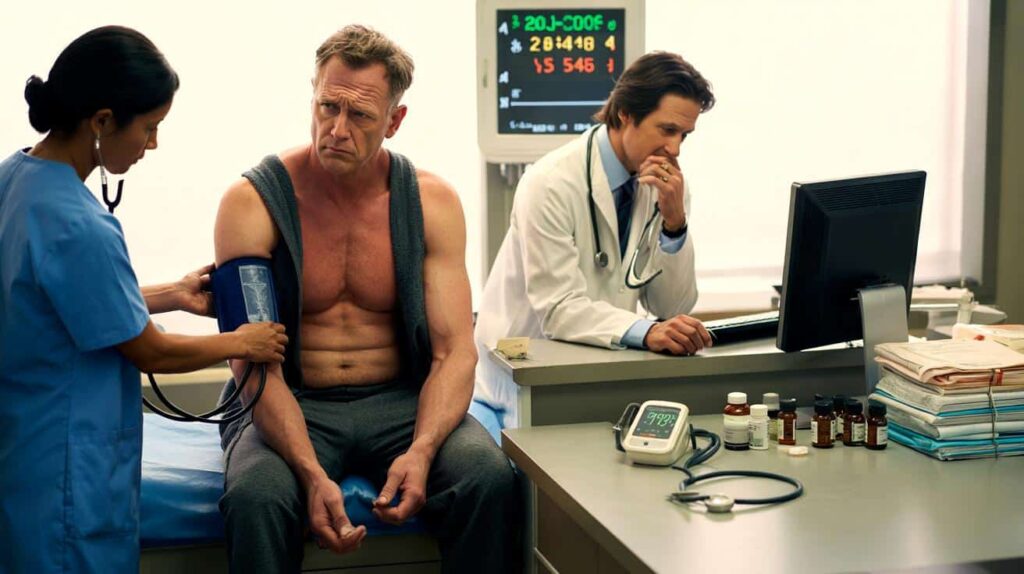
He looks healthy. He feels fine. He walks out labeled as “hypertensive” anyway.
Behind that small moment, a much bigger unease is building in cardiology clinics everywhere.
When a “borderline” number becomes a lifelong diagnosis
Over the last few years, the definition of “normal” blood pressure has quietly shifted downward. Numbers that used to earn a reassuring nod now trigger red flags, extra tests, and talk of medication. Many cardiologists accept that catching hypertension early can save lives. Yet a growing group is unsettled by how far the pendulum is swinging.
They’re not arguing that high blood pressure is safe. They’re asking where prevention ends and overdiagnosis begins.
The turning point came in 2017, when American guidelines redefined high blood pressure as 130/80 instead of the long-standing 140/90. Overnight, tens of millions of people moved from “at risk” to “officially hypertensive” without their bodies changing at all. One major analysis estimated that up to 46% of U.S. adults suddenly fell under the hypertension label.
In Europe and elsewhere, the shift has been slower, more cautious. Yet the pressure to align with stricter thresholds is growing. Family doctors field more automatic alerts in their electronic records. Pharmacies sell more home monitors. Patients stumble across headlines and start to worry that they’ve been walking around with a “silent killer” for years.
For some, this earlier trigger truly helps. People with diabetes, kidney disease, or a history of heart trouble often do benefit from tighter control and lower targets. For others, especially those with mildly raised readings, the story becomes messier. Extra diagnoses mean extra prescriptions, side effects, costs, and anxiety. Many cardiologists now say the system is drifting toward treating numbers rather than people.
The debate isn’t really about a few digits. It’s about what kind of risk we’re willing to medicalize.
Inside the cardiology consult: where caution turns into concern
Spend a morning shadowing a cardiologist and you see the tension up close. A steady stream of relatively young, mostly functioning adults arrives clutching printouts from home monitors or health apps. Their readings hover around 130–135 systolic, sometimes higher after a tough day at work. Not crises. Not emergencies. But no longer considered “normal” by stricter standards.
The doctor faces a triple bind: ignore the guidelines, risk missing early damage, or start a long chain of medicalization based on small deviations. Every choice feels like a compromise.
Take the case of a 42‑year‑old woman who came in after her smartwatch kept alerting her to “elevated” blood pressure. She had no symptoms, no history, no smoking, no diabetes. Her clinic readings averaged 132/84. Under older rules, she’d likely have been advised to watch her lifestyle and come back in a year. Under the newer approach, the software nudged the cardiologist toward an official hypertension diagnosis and medication discussion.
She left with a low-dose pill, plus a label that followed her into future insurance forms and medical records. Months later, she developed dizziness and fatigue, classic side effects from being “over-treated” in the name of tight control.
Cardiologists worry that this pattern is becoming routine. When guidelines push thresholds lower and lower, the number of people eligible for treatment climbs steeply, but the absolute benefit for each new patient shrinks. For those at very high risk, the payoff can be large: fewer strokes, fewer heart attacks, fewer deaths. For healthier, low‑risk adults, the gains are smaller and the harms more visible. Dizziness, fainting, kidney issues, lost trust in their bodies.
Medicine loves precision, yet risk is fuzzy. *You can’t feel the difference between 128/82 and 132/84 – but the system suddenly acts as if it’s a cliff edge.*
Learning to read your numbers without panicking
If you own a home blood pressure monitor, you already know the ritual. Sit down, strap on the cuff, press the button, wait for the squeeze. One reading flashes up. Then the doubt: is that “bad”? Should you retake it? Throw the machine away? The first practical step cardiologists recommend is simple: stop treating single numbers like verdicts.
The more useful picture comes from patterns, not one-off spikes. Different days, different times, same quiet routine. That’s where real risk hides.
Plenty of people get labeled with high blood pressure based on rushed, stressed readings: straight after climbing stairs, mid‑argument, or squeezed into a tight cuff in a noisy clinic. White-coat hypertension – the spike that appears only in medical settings – is very real. So is its cousin, masked hypertension, where readings look fine at the doctor’s office but creep up at home.
We’ve all been there, that moment when your heart races just because someone in a white coat is watching. Let’s be honest: nobody really follows the “sit quietly for five minutes, legs uncrossed, no coffee for half an hour” rule every single time. That gap between ideal measurements and real-life behavior is where misclassification thrives.
Some cardiologists are now quietly pushing back by slowing the process down. They ask for a home log over several weeks before writing anything in permanent ink. Others talk more openly with patients about the trade-offs behind the target numbers.
“Guidelines are a tool, not a law,” one European cardiologist told me. “For a 75‑year‑old with diabetes, I’ll aim lower. For a 35‑year‑old with slightly raised readings and a healthy lifestyle, I may accept higher numbers. Context matters more than a single cutoff.”
- Ask for averages rather than panicking over one high reading.
- Bring a home blood pressure log with dates, times, and conditions.
- Discuss your overall risk – age, smoking, cholesterol, family history – not just blood pressure.
- Talk honestly about side effects if treatment starts to feel worse than the disease.
- Remember that lifestyle shifts often change numbers before pills do.
Between prevention and overdiagnosis, a fragile balance
Stricter blood pressure guidelines didn’t appear out of nowhere. They grew from huge clinical trials, years of data, and a genuine desire to prevent strokes and heart attacks. For people already standing on the edge – older adults, those with multiple illnesses, people who’ve already had cardiac events – these lower targets can be lifesaving. No cardiologist wants to go back to the era when silent hypertension quietly destroyed arteries for decades.
Yet the unease remains, especially when low‑risk people are swept into the same net. It’s the feeling that a tool built to protect the most vulnerable is being applied too bluntly to everyone else.
There’s also a quieter psychological toll. Once you’re told you have “high blood pressure,” your relationship with your body changes. Everyday stress spikes feel more threatening. A missed pill can trigger guilt. Health apps ping you with alerts you don’t know how to interpret. Some patients become almost hypervigilant, taking dozens of readings a week, chasing a constantly shifting “perfect” number.
Cardiologists describe this as a new kind of burden: not just disease, but disease awareness, stretching over years or decades. On paper, the guideline change looks like a neat line. In real lives, it feels more like a slow, creeping expansion of what counts as illness.
As future updates to blood pressure guidelines loom, the conversation is shifting. More doctors are arguing for flexible targets, tailored to age, frailty, and personal preference. Some want “shared decision-making” written directly into the recommendations, to protect space for nuance. Others call for clearer language about absolute benefit and potential harm, so patients understand what they’re trading when they accept a diagnosis or a pill.
There’s no simple answer, no magic number that will settle the debate. What’s changing is the willingness to admit that one person’s life-saving early intervention may be another person’s unnecessary medicalization. The real question isn’t just “How low should blood pressure go?” It’s “How much of normal human variation are we ready to turn into disease?”
| Key point | Detail | Value for the reader |
|---|---|---|
| Stricter thresholds expand diagnoses | Lowering the bar from 140/90 to 130/80 classifies millions more as hypertensive | Helps you understand why you or someone close may suddenly carry a new label |
| Context matters more than a single number | Risk depends on age, other illnesses, and long-term patterns, not one clinic reading | Encourages calmer, more informed discussions with your doctor |
| Shared decisions can reduce over-treatment | Open talks on benefits, harms, and preferences lead to more tailored targets | Gives you a role in choosing if, when, and how to start treatment |
FAQ:
- Question 1Why did my doctor suddenly say I have high blood pressure when my numbers haven’t changed?
- Question 2Can stricter blood pressure targets really lead to overdiagnosis?
- Question 3Should I start medication if my readings are around 130/80 but I feel fine?
- Question 4How can I tell if my blood pressure is truly high or just “white-coat”?
- Question 5What should I ask my cardiologist if I’m worried about being over-treated?