
Behind every missing molar or untreated cavity, scientists now see more than a dental issue. They see warning signs about ageing, independence and even the risk of dying earlier than expected.
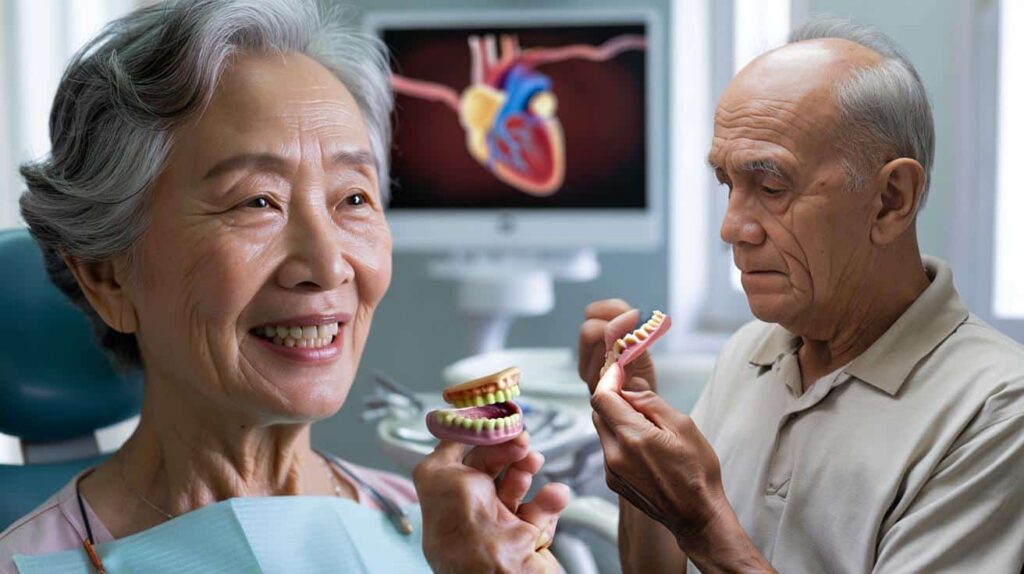
Oral health as a hidden predictor of longevity
In Japan, a country obsessed with healthy ageing, dentists and geriatricians have been working together on a simple question: what can an older person’s mouth tell us about their future?

The answer is blunt. Among adults over 75, those who keep more healthy or well-restored teeth tend to live longer, and not just by a few months. Their risk of death from any cause drops steadily as the number of functional teeth increases.

More working teeth in old age are linked to a lower risk of dying, regardless of sex, weight, smoking or existing treatments.

In one vast Japanese study, researchers at Osaka University analysed data from more than 190,000 people over the age of 75. Each tooth was given a status: healthy, filled, decayed or missing. They then tracked deaths over time.
A clear pattern emerged. People with many healthy or properly treated teeth had a significantly lower risk of death. Those with mouths dominated by decayed or missing teeth had a noticeably higher mortality risk.
Why bad teeth affect the whole body
Teeth sit inside the mouth, but the damage they cause does not stay there. Chronic gum disease and persistent dental infections feed low-grade inflammation throughout the body. That inflammation has been linked to heart disease, kidney problems and cognitive decline.
On top of that, chewing becomes harder when teeth are painful, broken or absent. Older adults then tend to avoid crisp vegetables, nuts, meat and other tougher foods. Nutrition suffers slowly and silently. Muscle mass falls. Immune defences weaken. Everyday tasks feel harder.
The state of the mouth acts like a mirror of overall health: when oral health collapses, the rest of the body often follows.
Quality of teeth matters more than just counting them
For a long time, dentists focused on how many teeth older patients still had. Recent work suggests this is too crude. What truly counts is how many of those teeth can actually do their job.
A study published in the journal BMC Oral Health compared three ways of predicting mortality risk in seniors:
- only the number of healthy teeth
- healthy plus filled (treated) teeth
- all teeth, including decayed ones
The most accurate model was the second one: teeth that were either naturally healthy or properly restored. Adding decayed teeth to the count made predictions worse, not better.
Researchers also observed a dose–response pattern. Going from zero functional teeth to more than 21 functional teeth brought a steady improvement in survival. The more a person could chew effectively, the longer they were likely to live.
Functional teeth – whether natural or repaired – behave like a biological investment: the more you keep, the more years of life you gain.
Teeth as a social and economic marker
The Japanese data also highlight something less biological and more social. A filled tooth is never just a tooth. It signals regular check-ups, the ability to pay for care, and a habit of taking health seriously.
In contrast, untreated decay often tracks with lower income, isolation or difficulty accessing care. These same factors are already known to shorten life expectancy. Oral health, in that sense, becomes a visible marker of deeper inequalities.
| Oral situation | Likely background factors |
|---|---|
| Many healthy or filled teeth | Regular check-ups, stable finances, higher health literacy |
| Many untreated cavities, missing teeth | Limited access to care, financial constraints, other unmet health needs |
“Oral frailty”: when the mouth signals accelerated ageing
Beyond single cavities or missing teeth, specialists now talk about “oral frailty”. The concept brings together several small problems that, when combined, predict a sharp drop in quality of life.
In a large Japanese cohort of more than 11,000 people over 65, researchers tracked signs such as:
- missing teeth
- difficulty chewing or biting
- trouble swallowing certain foods
- dry mouth
- speech problems due to dental or tongue issues
Participants with at least three of these signs were far more likely to lose their independence. They also faced a higher risk of dying earlier than their peers.

At 65, men without oral frailty enjoyed about 23.4 years of healthy life on average; with oral frailty, that dropped by more than a year.
Women showed a similar pattern. That gap might sound modest on paper, but in geriatric medicine, a one-year difference in healthy life expectancy is far from trivial. It can mean the difference between living at home and needing daily assistance.
Why dental check-ups extend healthy years
One simple behaviour clearly stood out in the Japanese studies: recent dental visits. Older adults who had seen a dentist at least once in the previous six months tended to enjoy more years in good health.
Regular check-ups make it easier to spot gum disease early, repair small cavities before they become infections, and adjust dentures or implants that interfere with chewing. That, in turn, keeps nutrition stable and helps prevent the cascade that leads from tooth loss to frailty.
A 30‑minute dental appointment every few months can quietly protect years of independence later in life.
What this means for daily life after 60
For individuals nearing retirement, these findings suggest a different way of thinking about oral care. Brushing and flossing are not just about fresh breath; they are part of long-term planning for ageing well.
Concrete actions that make a difference include:
- treating cavities promptly instead of “waiting until it hurts”
- checking that dentures or bridges fit well enough to chew tougher foods
- mentioning dry mouth or swallowing difficulties to a dentist or GP
- maintaining at least one routine dental visit a year, ideally two
Families can also play a role, especially with older relatives who live alone. Offering transport to appointments, helping with paperwork, or simply asking about chewing or mouth pain can uncover problems before they escalate.
Key terms and real-world scenarios
Inflammation, plaque and hidden risks
Several medical terms sit behind these findings. “Chronic inflammation” refers to a constant, low-level immune response that slowly damages tissues. Gum disease, fuelled by dental plaque, is a powerful trigger of this process.
Over time, that inflammation contributes to the formation of fatty deposits in arteries, disrupts blood sugar regulation and affects brain vessels. So a mouth full of bleeding gums and plaque does not just threaten teeth; it nudges the body towards heart attacks, strokes and diabetes complications.
A tale of two 80-year-olds
Imagine two people, both 80, both living alone. The first has around 22 functional teeth, mostly filled and maintained. She eats salads, fruit, meat, crunchy bread. She walks daily and manages her shopping.
The second lost most of his teeth years ago. His dentures hurt, so he leaves them in a glass. Meals are mainly soft bread, sweetened yoghurt and instant soups. He feels tired, loses muscle and starts skipping outings because chewing in public feels embarrassing.
The gap between these two lives does not come from age alone, but from how well the mouth still works.
These scenarios play out every day in ageing societies. They show why health systems are starting to treat oral care for seniors not as a cosmetic luxury, but as a core part of preventing frailty and early death.
Broader implications for public health and policy
For health planners, the Japanese data raise tough questions. Should routine dental check-ups be subsidised for people over a certain age? Should care homes be audited on oral care in the same way they are on falls or nutrition?
Integrating dentists into multidisciplinary teams that support older adults could change trajectories. A simple note from a dentist about rapid tooth loss, severe gum disease or chewing difficulties might trigger earlier nutritional support, physiotherapy or social care visits.
As populations in the UK, US and across Europe age, the message from Japan is increasingly hard to ignore: look closely at older people’s teeth, and you may be looking at their future health – and their remaining years.
