
The Quiet Revolution in Hair Color She looks at the silver streak running through her hair and sighs. “I’m tired of chasing my roots” she tells the stylist. The counter holds several bowls with labels like chestnut and espresso & iced mocha brown. None of them interest her anymore. She wants something different now. Something that feels easier and more natural. Not the traditional hair dye that everyone knows. She needs an approach that feels subtle and forgiving & less like a constant battle. The stylist gets it. She puts away the usual color samples and pulls out a different guide instead. This one shows sheer tones and soft glosses and ways to place light strategically through the hair. There will be no dramatic transformation today and no hours spent sitting in the salon chair.
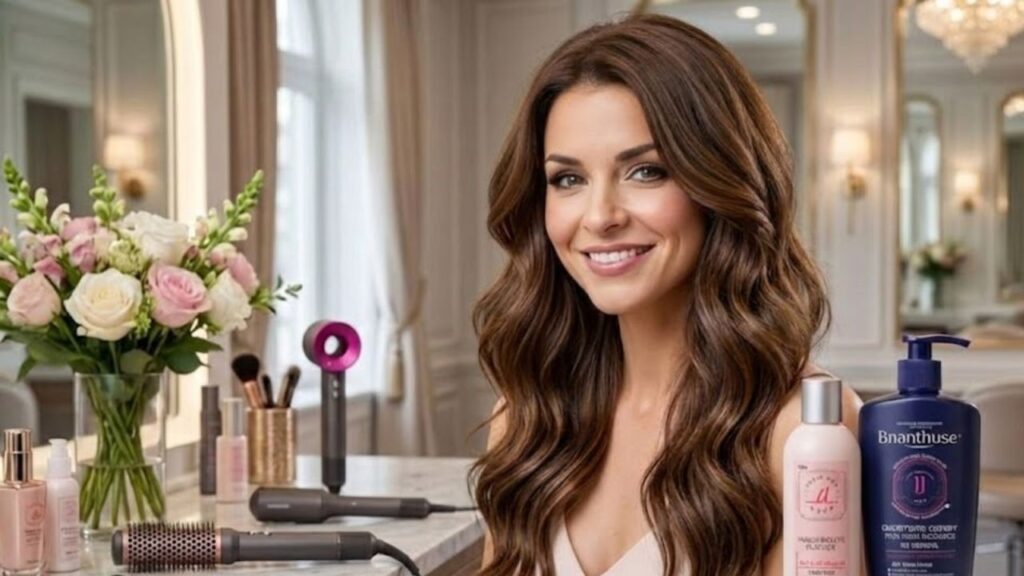
From Bold Coverage to Natural Blends
Step into any modern salon & you will hear the same phrase repeated. People say they do not want their hair to look dyed. The resistance is not to gray hair itself but to the solid opaque color that looks flat under daylight and artificial under scrutiny. The new focus is on soft blending that allows silver to show while deciding where and how. Instead of harsh permanent formulas colorists are leaning on semi-permanent washes and translucent tints along with root shadows & light-catching glosses.

The payoff is fewer stark regrowth lines and shorter appointments with hair that looks refreshed rather than freshly treated. It is less about concealment and more about making natural gray work in your favor. In a small London salon a 52-year-old woman named Karen arrived with a familiar plea to make the gray disappear. She had been coloring every three weeks & constantly chasing a regrowth line that felt relentless.

How Gray Blending Transforms Your Look
There is a practical reason why this approach is effective. When you use solid dark color it can create a frame around the face that looks too severe and makes fine lines and shadows more noticeable. On the opposite end of the spectrum having bright white roots next to colored hair immediately draws the eye to your scalp. Blending methods help reduce both of these issues. When you reduce the contrast & add lighter tones near the face your skin looks more radiant and your features appear more defined. This causes people to notice your expression rather than focusing on root regrowth. Many stylists compare this technique to contouring for hair because it uses variations in light and dark to guide where people look. The gray hair is not hidden or removed. Instead it becomes part of the overall look. This is not some kind of magic trick but simply a more intelligent way of working with the hair that is naturally growing from your head.
The Modern Guide to Ageless Gray Hair
The most popular technique today is called gray blending. It focuses on working with your natural gray instead of hiding it completely. The stylist divides the hair into sections rather than coloring everything. A light demi-permanent color softens the brightest white hairs & subtle lowlights add dimension. Very fine highlights around the face help break up any solid gray areas. This approach means you don’t need frequent salon visits. Since there’s no obvious line between colored and gray hair you can wait eight to twelve weeks between appointments. The slightly uneven result is actually the goal because those small variations in tone create a natural & expensive appearance instead of looking artificial.
 Long considered “corny,” this hairstyle is actually the one a hairstylist recommends most after 50
Taking care of it at home is straightforward. Use a purple or blue shampoo once weekly to prevent the silver from turning yellow. A light oil or shine product helps coarse gray hairs lay flat and look glossy instead of frizzy. For special events you can use tinted root spray or powder on your part to blend everything smoothly like a subtle filter. This trend continues because it’s practical. Nobody wants a complicated morning routine. Simple consistent habits work better like using gentler shampoos and applying heat protection before blow-drying. Regular trims prevent silver hairs from sticking out awkwardly. These small steps make gray hair look deliberate instead of messy.
Confidence Grows in Subtle Shifts
This gentler method changes the way people think about their own hair. Rather than examining every gray hair closely the focus moves to how the hair feels and looks overall. People start asking themselves if their hair looks healthy instead of worrying about whether it looks young enough. This shift in thinking eliminates much of the stress that gray hair often causes. Paris colorist Lila Moreau says her clients have changed what they want. They no longer ask to hide their gray hair completely. Instead they want to look refreshed and more vibrant like their best version. She uses techniques like gray blending & adding subtle highlights around the face to achieve this. The goal is not to disguise aging but to keep the gray from being the first thing people notice.
Redefining Age, Hair, and Self-Control
When people stop trying to eliminate every gray hair something changes. They start experimenting again with softer fringe or lighter pieces around the face or a cut that lifts the neckline. Friends rarely mention the gray itself. Instead they say you look rested or you look different in a good way. This is not about rejecting color. It means saying goodbye to panic touch-ups & hiding under hats and dreading visible regrowth. Some people still use dye but with more flexibility. Others embrace natural gray with a light gloss. Many find a middle ground. None of it needs to be all or nothing. The real change is about choice. When gray becomes a design element instead of a flaw the focus shifts from erasing age to shaping how it appears. Keeping your years while refining light & texture & shape and shine is not about hiding. It is about deciding how you want to be seen and that quiet control is what truly matters.
