
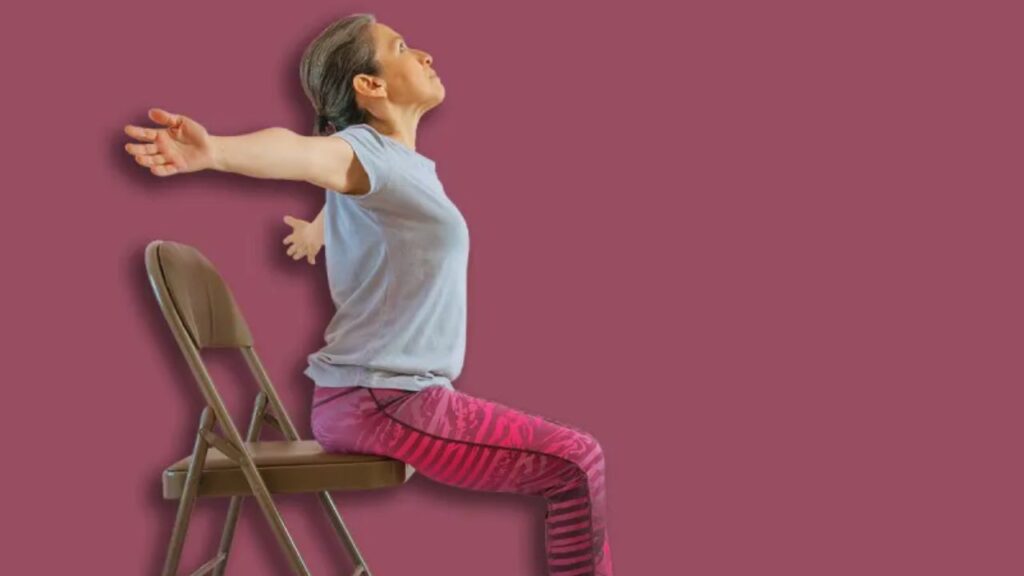
After 40 years in the fitness industry and over 20 educating fitness professionals I have seen one of the biggest barriers to people getting fit. That barrier is the belief that you need to be in the gym to make progress. This is simply not true. Consistent exercise anywhere beats going infrequently to the best equipped gym in the world. It is more than possible to build a strong body at home using just a chair. These six exercises can help you build real leg strength without the strain of traditional squats or the risk of floor exercises.
Why Leg Strength Declines After 65
Traditional leg exercises do not work as well as they once did. Getting down to the floor for exercises feels dangerous and getting back up requires significant effort. Standing exercises that used to be easy now challenge your balance more than your leg strength. Our muscles function differently after age 65. The rate at which we build muscle has naturally decreased and recovery takes longer. What used to take a day or two to recover from in your 40s now takes about four days. This does not mean you cannot build muscle but you need to change your approach. Joint discomfort becomes a significant issue. Knees that have supported you for six decades or more often hurt when you try to do deep squats or lunges. Hip mobility decreases and ankles become stiffer. Standard gym exercises can make these problems worse instead of better. Confidence also matters. After years of less activity many people fear injury or do not trust their bodies to perform exercises safely. This fear often prevents them from starting any strength program at all.
 Everyday arm exercises for women over 55 tighten flab faster and boost upper-body confidence
Benefits of Chair-Based Workouts
Chair exercises take away the balance challenge that usually stops you from working your legs as hard as you could. When you stand up a lot of your energy gets used just to keep yourself upright & steady. With a chair there to support you your muscles can put all their effort into the actual exercise instead of worrying about balance. The chair creates automatic safety. You always have a stable surface right there and you can make things easier or harder by changing how much you lean on the chair. When you build up strength you just use the chair less and less. Getting back to normal after exercise is simpler too. Chair exercises usually make you less tired overall than standing exercises but they still give your muscles enough work to improve & get stronger. You can push yourself harder without feeling so worn out that you want to skip exercise completely. The most important benefit is that chair exercises help you keep the right body position through the whole movement. Correct form becomes more important as you get older because your joints handle bad technique worse than they used to. The chair keeps your body lined up properly so your leg muscles do the work instead of making your back or knees take over.

Seated Leg Lifts for Strength
This exercise works your quadriceps. These are the big muscles at the front of your thighs that help you stand up and climb stairs. After age 65 these muscles weaken faster than most others. Seated leg extensions let you work them hard without stressing your knees. Muscles Trained: Quadriceps How to Do It:
 Muscle Gains Aren’t Always Obvious These 10 Subtle Signs Show Your Training Is Actually Working
– Sit toward the front of your chair with your back straight & feet flat on the floor.
– Grip the sides of the seat for stability.
– Slowly straighten one leg until it is parallel to the floor.
– Hold for two seconds while squeezing the muscle at the front of your thigh.
– Lower it back down with control.
– The movement should take about three seconds up and three seconds down
. Common Mistakes to Avoid:
– Swinging your leg up using momentum rather than muscle control.
– Leaning back as you lift takes the work away from your thigh muscles.
– Moving too quickly through the repetitions.
– Form Tip: Keep your torso upright and move deliberately.
Easy Sit-to-Stand Exercise
This exercise copies the action you use most often each day when you stand up from sitting. It strengthens your thighs and buttocks and core muscles together & makes it easier to get up from low chairs or the toilet. Muscles Trained: Thighs & buttocks and core How to Do It: Sit toward the middle of your chair with your feet placed hip-width apart & flat on the ground. Cross your arms over your chest or let them rest at your sides. Tilt your upper body forward a little from your hips. Press down through your heels to stand all the way up. Lower yourself back down in a controlled way and barely touch the seat before you stand up again without sitting all the way down. Common Mistakes to Avoid: Using your hands to push yourself up or rocking your body to create momentum. Allowing your knees to collapse toward each other when you stand. Form Tip: Make sure your knees stay aligned over your toes. If you need to start with a taller chair then move to lower chairs as you build strength.
Seated Marching for Mobility
This exercise targets your hip flexors & quadriceps & helps build leg endurance. It puts less stress on your body than standing exercises but still works well for improving the stamina you need for walking & everyday tasks. Muscles Trained: Hip flexors and quadriceps
How to Do It:
– Sit up straight without leaning against the chair back & place your feet flat on the ground.
– Raise one knee toward your chest as far as feels comfortable.
– Pause briefly & then lower it back down.
– Right away lift your other knee.
– Keep switching legs in a marching pattern but move with control instead of bouncing.
Common Mistakes to Avoid:
– Moving too fast or barely raising your knees.
– Slouching forward or leaning backward when you lift.
– Letting your core muscles relax.
– Form Tip: Raise each knee as high as possible while keeping your core engaged & maintaining a straight back throughout the movement.
Heel Raises to Improve Stability
Your calves are often overlooked but they play a vital role in walking and maintaining balance while also helping to prevent ankle instability. Heel raises are a straightforward exercise that works exceptionally well for developing lower leg strength. Muscles Trained: Calves (gastrocnemius and soleus)
How to Do It:
– Sit down with your feet flat on the floor at hip-width distance.
– Rest your hands on the chair for light support if you need it.
– Keep the balls of your feet pressed against the ground and lift both heels up as high as you can.
– Hold this position for two seconds at the top.
– Lower your heels back down in a controlled manner.
Common Mistakes to Avoid:
– Do not roll onto the outside edges of your feet.
 Plank Hold Timing Explained: How Long You Should Hold a Plank to Build Core Strength at Every Age
– Avoid using your hands to push yourself upward.
– Do not bounce at the top of the movement instead of holding the position steady.
Form Tip:
– The movement should come entirely from your calf muscles.
– Hold the top position briefly to maximize the benefits of this exercise.
Seated Hip Abductions Made Simple
This exercise works the muscles on the outside of your hips and thighs. These muscles help stabilize your hips during walking & prevent your knees from collapsing inward. When these muscles are weak they can lead to hip & knee issues.
Muscles Trained:
– Hip abductors (gluteus medius and gluteus minimus)
How to Do It:
– Sit up straight with both feet flat on the floor.
– Keep one foot in place & slowly slide the other leg out to the side as far as you can comfortably go.
– Your foot should stay flexed with your heel touching the ground.
– Hold this position for two seconds & then return your leg to the starting position.
– Finish all repetitions on one side before switching to the other leg.
Common Mistakes to Avoid:
– Do not lift your foot off the ground.
– Do not twist your torso to increase the range of motion.
Form Tip:
– Your heel should remain on the floor and your upper body should stay still throughout the movement.
– The motion should be small & controlled rather than large and fast.
Calf Stretch With Resistance
This exercise stretches your calves and shin muscles while adding light resistance. It increases ankle flexibility and builds strength to help you avoid tripping and losing balance.
Muscles Trained:
– Calves and shin muscles (tibialis anterior)
How to Do It:
– Sit down and extend one leg straight in front of you with your heel resting on the floor.
– Point your toes forward as far as you can and hold this position for two seconds.
– Then flex your foot by pulling your toes back toward your shin.
– Keep alternating between pointing and flexing in a slow and controlled way.
Common Mistakes to Avoid:
– Moving too quickly or barely moving your foot at all.
– Allowing your leg to go limp between each repetition.
Form Tip: Make sure you move through the complete range of motion from fully pointed to fully flexed. Pause briefly at each end position and keep your muscles active the entire time.
Designing Your Chair Workout
Begin by doing 2 sets of 10 repetitions for every exercise. For leg extensions and sit-to-stands along with hip abductions & calf stretches you work one leg at a time which means 10 reps for each leg. The seated marching and heel raises involve both legs working together so you do 10 total repetitions. Take a break of 30 to 45 seconds between sets of the same exercise before moving to the next one. The complete routine will take around 20 to 25 minutes after you become comfortable with the movements. When you build more strength during the first few weeks you should increase to 3 sets of 12 repetitions. Following that period you can make the exercises more challenging by performing the movements more slowly such as taking 4 seconds to go up and 4 seconds to come down or by using the chair less for support.
Frequency and Routine Tips
Train three times each week and make sure you rest for at least one day between your workout sessions. Most people find that Monday, Wednesday & Friday schedules work best. Your muscles require this recovery period to adapt and become stronger, particularly after age 65 when your body needs more time to recover. During your rest days you can go for easy walks or do some stretching but you should not push your legs hard. Some people choose to work on upper body exercises or do light cardio on these days which works fine as long as your legs get adequate rest. If you are beginning after being inactive for a long time you should start with two sessions per week for the first two weeks so your body can adjust. After the exercises begin to feel more manageable you can increase to three weekly sessions.
Expected Results in 4–8 Weeks
After doing this routine three times each week for four weeks you will notice that everyday tasks become easier before you see any visible muscle changes. Standing up from chairs requires less effort and you probably will not need to push yourself up with your hands anymore. Climbing stairs will not make you as tired and walking will feel less exhausting. Your legs will feel stronger and more stable. The slight unsteadiness you felt when standing up or turning quickly will start to go away. Your balance gets better because your leg muscles work more effectively to keep you upright. After eight weeks you will see physical changes in your body. Your thighs and calves will look more toned & your pants might fit differently around your legs. Other people may notice that you move better or stand with better posture. The strength improvements are quite significant. Many people discover they can complete fifteen to twenty repetitions of exercises that made them exhausted after just ten repetitions when they started. Some people progress from needing a chair for support during sit-to-stand exercises to barely needing to touch it. The most important change might be the growth in your confidence. You will trust your legs again and stop avoiding activities because you worried about whether you could do them. This new confidence often leads to becoming more active in general and that creates even better results.
