
The first time you notice more hair on your pillow or in the shower drain something changes inside you. You touch your scalp & try to recall when your hair started feeling thinner. This creates a personal worry that you can hide from others but never from yourself. Many people blame it on stress or weather or new products or tight hairstyles. These reasons feel reassuring because they protect you from thinking that something more serious might be wrong.
Decoding Hair Health Signals and Acting Early
Your hair tells a story about your life through late nights and missed meals and quick showers. It shows the effects of tight hairstyles and chemical treatments and ongoing stress. Your hair also responds to hormone changes and different seasons & getting older. Your body usually gives you hints before hair loss becomes serious. Today’s beauty habits can hide these warning signs because coloring and heat styling and washing too often can damage your hair more than it can handle. Quick solutions might seem appealing but slow and thoughtful care works better because it supports how your body naturally functions.

Natural Oils, Scalp Massage, and Herbal Hair Care
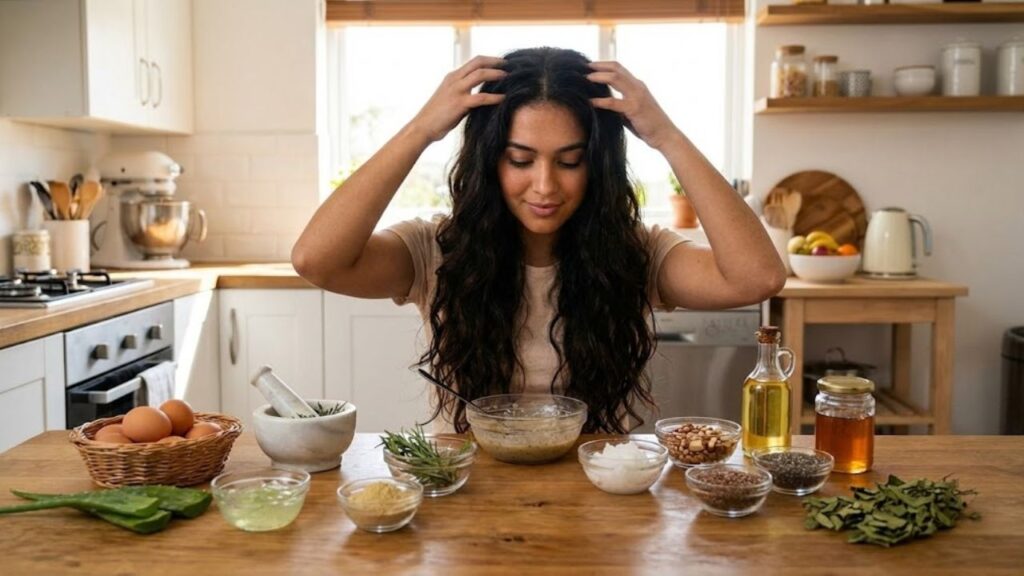
Oiling your hair is an ancient practice that nourishes the scalp & promotes relaxation. The process involves warming oil between your hands and gently working it into your scalp to boost blood flow and create a calming effect. Different oils offer distinct advantages for hair health. Coconut oil helps prevent protein loss from hair strands. Castor oil excels at adding hydration. Almond oil, sesame oil and olive oil each bring their own helpful properties to your hair care routine. Many people find that combining different oils produces better results than using just one type. When you massage the oil into your scalp using slow circular motions, you increase oxygen and nutrient delivery to the hair follicles.

Home-Based Remedies and Hair-Friendly Nutrition
Common kitchen items can help improve your hair health. Fenugreek seeds work well when you soak them overnight and blend them into a paste to reduce hair loss and make strands stronger. Aloe vera calms irritated scalps and balances oil while removing buildup. Protein masks made from eggs or yogurt strengthen hair and make it smoother. Good nutrition matters just as much as what you apply to your hair. Eating foods rich in protein & iron along with zinc and biotin and omega-3 fatty acids supports healthy hair growth. Drinking enough water and managing stress also play important roles in maintaining strong hair over time and enhance the benefits of topical treatments.
Everyday Habits That Protect and Strengthen Hair
Daily routines directly affect how strong your hair becomes. Choosing gentle shampoos and washing less often helps keep the natural oils your scalp produces. When you apply conditioner mainly to the lengths of your hair it creates less friction & stops strands from breaking. Reducing how much you use hot styling tools and keeping your hair in relaxed styles will protect weak areas. Sleeping on smooth fabric pillowcases also helps minimize damage. When you need to remove tangles start at the bottom and work upward using a comb with wide teeth. Adding a small amount of oil or leave-in conditioner makes this process easier and reduces hair loss. This careful approach also helps you notice when your hair feels dry or damaged so you can address problems early.
 4-minute seated workout after 60 highlights elite endurance when you complete every rep cleanly
Building a Long-Term, Consistent Hair Care Routine
Hair care works best when you stick to a regular routine instead of trying intense treatments. Massaging oil into your scalp a couple of times each week along with one nourishing mask helps maintain healthy hair. Handle your hair gently every day and make sure you eat balanced meals while managing your stress levels. These simple habits can bring real improvements over time. You will notice your hair texture getting better & less hair falling out. New growth will start to appear as your body becomes healthier overall. When you use home remedies you learn to be patient and pay attention to what your hair needs. This creates a stronger connection with yourself and turns basic hair care into something meaningful that benefits everything from your roots to your ends.
| Essential Nutrient | How It Supports Hair Health | Natural Food Sources |
|---|---|---|
| Protein | Builds keratin, strengthening hair strands and reducing breakage | Lentils, eggs, fish, tofu, nuts, seeds |
| Iron | Improves oxygen supply to hair roots, promoting steady growth | Spinach, beetroot, kidney beans, pumpkin seeds |
| Biotin & B-Complex Vitamins | Boosts follicle energy production and supports healthy hair renewal | Whole grains, eggs, almonds, green leafy vegetables |
| Omega-3 Fatty Acids | Keeps scalp hydrated and helps calm inflammation | Flaxseeds, chia seeds, walnuts, oily fish |
| Zinc & Selenium | Aids tissue repair and shields hair follicles from damage | Seeds, nuts, whole grains, legumes, milk products |
