Grey hair often signals a new chapter in personal style. Some people embrace it fully, while others prefer subtle enhancement that feels natural and effortless. Across the globe, many are moving away from harsh chemical dyes and seeking ways to soften grey strands while keeping hair looking refreshed. This shift reflects broader changes in ageing and beauty perception, with an emphasis on authenticity, gentle care, and celebrating individuality.
Why Hair Turns Grey and Its Visual Impact
Hair does not lose colour instantly. Each strand grows from a follicle containing melanocytes, which produce pigment called melanin. Over time, factors such as ageing, genetics, and stress reduce pigment production. The result is new hair that appears grey or white. Grey hair is not faded old hair, but growth without colour. Additionally, hair’s natural keratin has a pale yellow undertone, which becomes more visible as pigment fades. Less natural oil production can make grey hair feel coarser, duller, and frizzy, altering its texture and how it falls. Even a few white strands against darker hair can create strong contrast, emphasizing facial shadows, fine lines, and tired features.
 At-Home Brow Lamination Methods That Create Fuller Thicker Brows Without Salon Appointments
Why People Move Away from Permanent Dyes
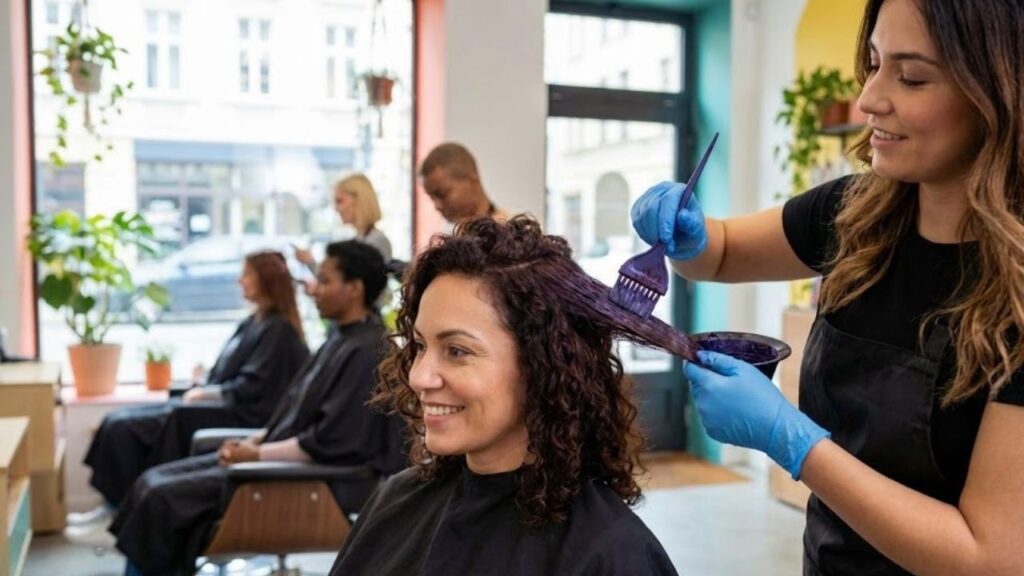
Traditional permanent hair dye uses oxidising chemicals to penetrate the hair shaft. While results appear smooth initially, repeated use can weaken hair, especially fragile grey strands. Damaged cuticles lead to dryness, breakage, and tangling, and sensitive scalps may experience irritation. Frequent touch-ups are necessary due to regrowth, making maintenance challenging. Today, many favour gentler alternatives that enhance hair subtly without altering its natural structure. The goal has shifted from full coverage to realistic, low-maintenance styling that preserves shine, texture, and overall hair health.

The Rise of Cocoa and Natural Colour Boosters
Plant-based and kitchen-inspired remedies have gained popularity as softening treatments for grey hair. Cocoa powder, in particular, offers natural pigments and polyphenols that gradually deepen light to medium brown tones. It acts as a tinted conditioning layer, enhancing shine and blending stark white strands without permanent change. Cocoa coats the hair shaft, improving moisture retention and cuticle smoothness. With repeated use, hair looks shinier, softer, and more manageable, while maintaining a subtle, natural tone rather than full dye coverage.
 Lip Definition Trick: The Precise Liner Technique That Enhances Fullness Without Heavy Overlining
At-Home Cocoa Treatment Guide
For a simple home application, mix one tablespoon of unsweetened cocoa powder with a lightweight, oil-free conditioner. Apply to towel-dried hair, concentrating on visible grey areas like temples and parting. Use a wide-tooth comb to spread evenly and leave for 15–20 minutes. Rinse with lukewarm water without shampooing immediately to preserve the surface pigment. Light brown hair may need 1–2 weekly applications, medium brown once weekly, and dark hair every 7–10 days. Blonde hair requires patch testing due to potential uneven tone. Over time, this method subtly blends greys, enhancing overall hair shine and texture.

Natural Colour Techniques for a Youthful Appearance
Softening greys doesn’t reverse ageing, but it can reduce contrast around the face, subtly diminishing shadows and fine lines. Maintaining hydration, shine, and shape helps hair frame the face gracefully, brightening the eye area and lifting features. Treatments like cocoa, coffee, black tea, or sage work best for up to 40–50% grey, providing gradual, low-maintenance blending. Patch testing is essential to avoid sensitivity reactions, and occasional clarifying shampoo use prevents build-up. Combining these methods with thoughtful haircuts, scalp care, and nutrition supports strong, healthy hair growth.
How Gentle Methods Are Changing Beauty Standards
The popularity of natural grey-softening methods highlights a shift in beauty ideals. Perfect uniform colour is no longer the only marker of youth. Blended greys, subtle tints, and sheer coverage are celebrated in fashion and social media, encouraging individuality and authenticity. Some people enhance cocoa treatments with black tea, coffee, sage, or rosemary infusions to adjust tone and freshness. Professional colourists now offer grey-blending techniques using low-impact dyes alongside plant-based glosses. Regular home care maintains results longer, reduces chemical stress, and emphasizes natural texture, shine, and health.
| Hair Colour | Application Frequency | Expected Effect |
|---|---|---|
| Light Brown | 1–2 times weekly | Warmer tone, greys blend faster |
| Medium Brown | Once weekly | Added richness, subtle grey integration |
| Dark Brown/Black | Every 7–10 days | Extra shine, minimal colour change |
| Blonde | Patch testing recommended | Uneven tones possible, avoid full use |