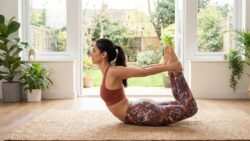
Many people find it difficult to enjoy restful sleep today. Long hours spent on screens, ongoing stress, and unpredictable routines keep the mind constantly active. When evening arrives, it can feel nearly impossible to slow down and relax. Gentle yoga offers a natural way to ease this problem. You don’t need intense movements or complex sequences before bed. In fact, slow stretches and calming poses are far more effective. Soft movements help your body release tension and prepare your mind for rest.
Three Calming Yoga Poses for Nighttime
The goal before sleep is to soothe the nervous system and gently release built-up tension. You want to signal to your brain that it’s time to pause and rest. The three poses below are especially helpful for sleep. They encourage slower breathing, relax commonly tense muscles, and quiet racing thoughts. These poses are beginner-friendly and can be practiced even if you’ve never done yoga before. You can perform them right in your bedroom just before going to bed.
 The Ordinary New Serum Nicknamed Filler in a Bottle Gave My Skin a Youthful Look in My 40s
Why Gentle Yoga Improves Sleep Quality
Sleep issues often occur when the body remains stuck in a state of alertness. When your nervous system won’t settle, falling asleep becomes difficult. Gentle yoga movements help shift your body from stress into relaxation. Slow stretching releases tension from areas like the hips, lower back, and spine where stress often builds up. Deep breathing naturally slows the heart rate and prepares the mind for rest. With regular practice, calming yoga can support longer sleep, reduce nighttime awakenings, and help you feel more refreshed in the morning.

Legs Up the Wall Pose
Legs Up the Wall is a deeply restorative pose that gently calms the body before bedtime. It requires very little effort and feels supportive and soothing.

How to do it: Sit beside a wall and slowly lie back as you lift your legs upward. Adjust your hips closer to the wall while staying comfortable. Rest your arms by your sides with palms facing up. Close your eyes and relax.
Why it helps sleep: This pose naturally slows the heart rate and encourages deeper breathing. It eases physical fatigue and creates a sense of comfort throughout the body.
How long to stay: Hold for 2 to 5 minutes while breathing slowly through your nose.
Helpful tip: If your lower back feels tight, move your hips slightly away from the wall or gently bend your knees.
Seated Forward Bend
The Seated Forward Bend is a calming posture that stretches the back and encourages inward focus.
How to do it: Sit on the floor with your legs extended forward. Inhale and lengthen your spine. Exhale and slowly fold forward from the hips. Keep your knees softly bent if needed, and let your head and neck relax.
Why it helps sleep: Forward bending has a naturally calming effect on the mind. It releases tightness in the lower back and legs, allowing the body to soften before sleep.
How long to stay: Hold for 1 to 2 minutes while breathing slowly.

Helpful tip: Place a pillow on your legs or a folded blanket under your hips for added comfort.
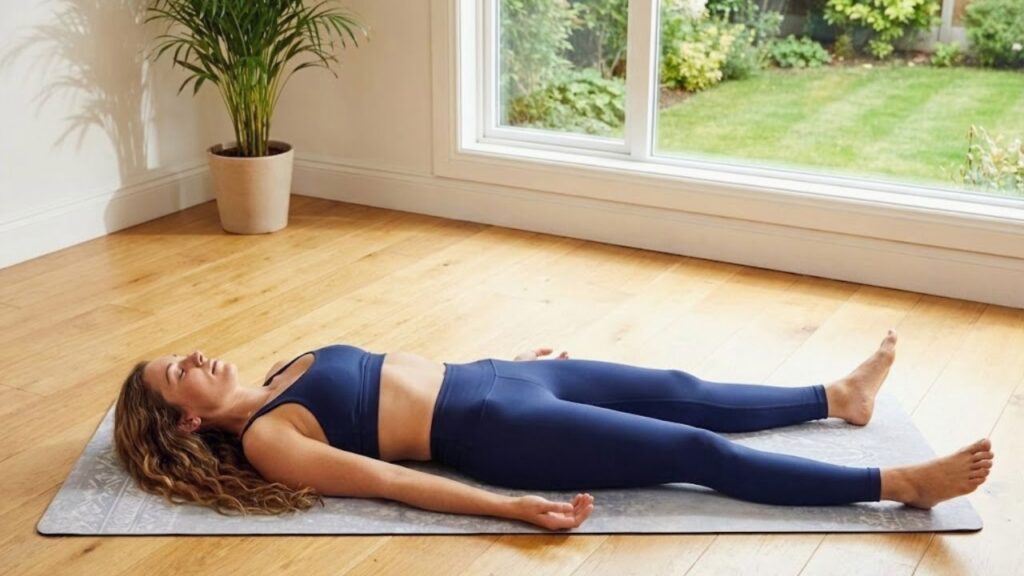
Corpse Pose
Corpse Pose is commonly practiced at the end of yoga sessions and is ideal for deep relaxation and mental stillness.
How to do it: Lie flat on your back and allow your feet to fall open naturally. Rest your arms at your sides and close your eyes. Let your body sink fully into the surface beneath you.
Why it helps sleep: This pose promotes complete relaxation of both body and mind. It releases remaining muscle tension and quiets racing thoughts.
How long to stay: Remain for 3 to 7 minutes, or until you feel fully relaxed.
Helpful tip: Focus on your breath and slowly count each exhale from one to ten.
Creating a Simple Bedtime Yoga Routine
For best results, practice in a quiet, dimly lit space. Avoid screens and bright lights before starting. A simple sequence works well: begin with Seated Forward Bend, move into Legs Up the Wall, and finish with Corpse Pose. This entire routine takes about 7 to 10 minutes. Focus on slow breathing rather than pushing into deep stretches.
Breathing Technique That Encourages Sleep
Pairing yoga with breath awareness enhances relaxation. Try inhaling while counting to four, then exhaling while counting to six. Longer exhales signal the brain to calm down. Throughout your practice, keep breathing soft and effortless rather than forced.
Simple Habits That Support Restful Sleep
Yoga works best alongside healthy evening habits. Finish dinner at least two hours before bedtime. Avoid caffeine later in the day. Keep your bedroom cool and dark, and aim for a consistent bedtime. Even practicing one gentle pose daily can lead to noticeable improvements over time.
Who Should Practice With Caution
If you have spinal injuries, high blood pressure, or circulation concerns, avoid holding inverted poses for long periods. Pregnant individuals should modify forward bends and seek guidance if unsure. Better sleep doesn’t require complex routines or medication. Just a few minutes of gentle yoga can help your body relax naturally and prepare for rest.