
Have you ever paused to think about the quiet ways your posture shapes your health It’s not just about standing upright for appearances. The way you hold your body affects your spine, breathing, digestion, confidence, and even how well you move as the years go by. In a world dominated by long sitting hours and constant phone use, posture often slips into the background. Over time, this can lead to back pain, stiff necks, headaches, and ongoing fatigue. The good news is that small, mindful changes in posture can open the door to a healthier, more energetic life.
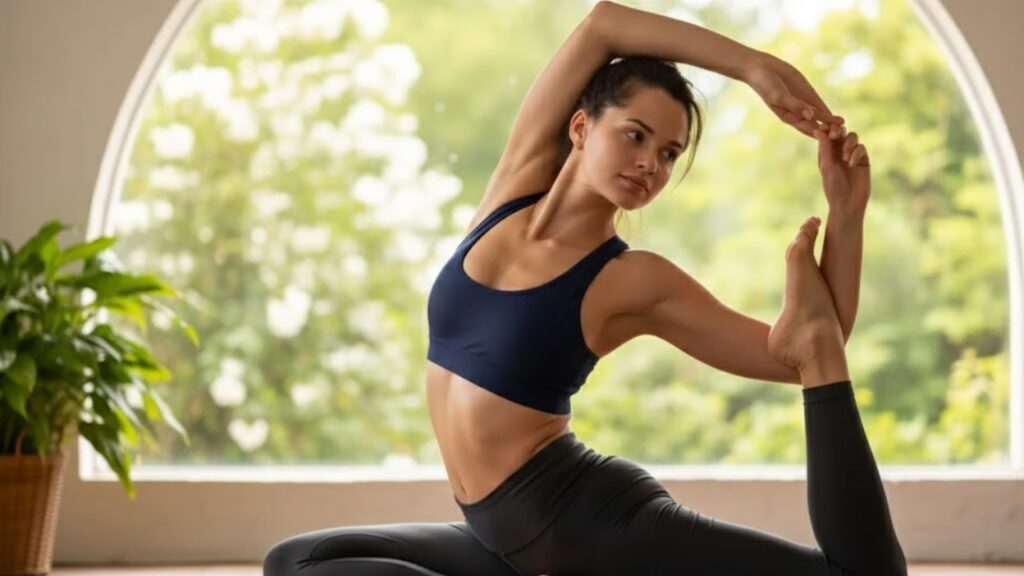
Yoga is one of the most natural and effective tools for improving posture. It strengthens the muscles that support alignment, improves spinal balance, and builds awareness of how your body moves and rests. Below are 7 simple, beginner-friendly yoga poses you can practice at home to support better posture.

Why Yoga Helps Improve Posture
Yoga works through balance, flexibility, strength, and mindful alignment. Many posture issues develop because certain muscles become tight while others weaken. Yoga addresses both sides of the problem.

– Strengthens the core, back, shoulders, and hips
 Spot the Difference: Can You Find the 3 Differences in the Boy Working in Office Image in 7 Seconds?
– Releases tension in the neck, chest, and lower back
– Builds body awareness so you notice slouching sooner
– Encourages healthy spinal alignment
With regular practice, these poses gently train your body to sit and stand with ease and balance.
1. Mountain Pose (Tadasana)
Mountain Pose may look simple, but it lays the foundation for proper posture.
Aligns head, shoulders, hips, and spine
Improves awareness of standing posture
Strengthens thighs, core, and spinal muscles
How to practice
Stand tall with feet together or slightly apart
Balance your weight evenly on both feet
Roll shoulders back and down
Engage the core and lengthen the spine
Breathe slowly for 30–60 seconds
This pose teaches your body what natural alignment truly feels like.
2. Cat–Cow Pose (Marjaryasana–Bitilasana)
This gentle flow is ideal for releasing stiffness caused by long hours of sitting.
Improves spinal flexibility
Relieves tension from poor sitting habits
Encourages healthy spinal curves
How to practice
Come onto hands and knees
Inhale, lift the chest, and arch the back
Exhale, round the spine and tuck the chin
Repeat slowly for 8–10 rounds
This movement helps refresh the spine after extended inactivity.
3. Downward Facing Dog (Adho Mukha Svanasana)
This full-body stretch creates length in the spine and supports shoulder alignment.
Strengthens arms, shoulders, and back
Stretches the spine and hamstrings
Helps reduce rounded shoulders
How to practice
Start on hands and knees
Lift hips up and back
Keep the spine long and relaxed
Press heels gently toward the floor
Hold for 30–45 seconds
4. Cobra Pose (Bhujangasana)
Cobra Pose is especially helpful for countering slouched, forward-leaning posture.
Strengthens upper and lower back muscles
Opens the chest and shoulders
Balances rounded-back posture

How to practice
Lie on your stomach with hands under shoulders
Inhale and gently lift the chest
Keep elbows slightly bent
Hold for 20–30 seconds
5. Child’s Pose (Balasana)
Child’s Pose allows the spine to relax and recover.
Gently stretches the spine and hips
Releases tension in the neck and shoulders
Reduces spinal compression
How to practice
Kneel and sit back on your heels
Fold forward with arms extended
Rest the forehead on the mat
Breathe deeply for about one minute
This pose is ideal between strengthening movements.
6. Bridge Pose (Setu Bandhasana)
Bridge Pose strengthens the muscles that support an upright spine.
Strengthens glutes, lower back, and core
Opens the chest and shoulders
Improves spinal stability
How to practice
Lie on your back with knees bent
Press feet into the floor and lift hips
Keep thighs parallel
Hold for 20–40 seconds
Strong glutes and back muscles make good posture easier to maintain.
7. Seated Twist (Easy Ardha Matsyendrasana)
Gentle twists help keep the spine mobile and balanced.
Improves spinal rotation
Reduces stiffness from long sitting
Encourages upright seated posture
How to practice
Sit tall with legs extended
Bend one knee and twist gently
Keep the spine long while turning
Hold 20–30 seconds on each side
How Often Should You Practice These Poses?
Daily practice brings the best results
Aim for at least 4–5 times per week
Spend 15–25 minutes per session
Consistency matters more than intensity. Slow, mindful movement leads to lasting improvement.
Poor posture develops gradually, and correcting it also takes patience. Practicing these 7 simple yoga poses for better posture can strengthen weak areas, release tight muscles, and help your body find natural alignment again.
Yoga improves more than how you look—it enhances how your body feels and functions each day. With awareness and regular practice, good posture becomes a habit rather than a constant effort.
