
Grey hair often signals a change in how people think about their appearance. Some choose to keep their grey hair as it is while others want to make it less noticeable in a natural way. People everywhere are stepping away from strong chemical dyes and looking for softer options to blend their grey hair without losing a fresh look. This trend shows how attitudes toward ageing and beauty are changing. Many now want hair treatments that work with their natural colour instead of covering it completely. The goal is to create a subtle transition that doesn’t require constant upkeep or damage the hair. This approach fits better with modern lifestyles where people value convenience and health over perfection. The shift also reflects a broader acceptance of ageing as a natural process rather than something to hide. People want to look good without pretending to be younger than they are. This balance between embracing change and maintaining confidence drives the search for gentler colouring methods that enhance rather than transform.
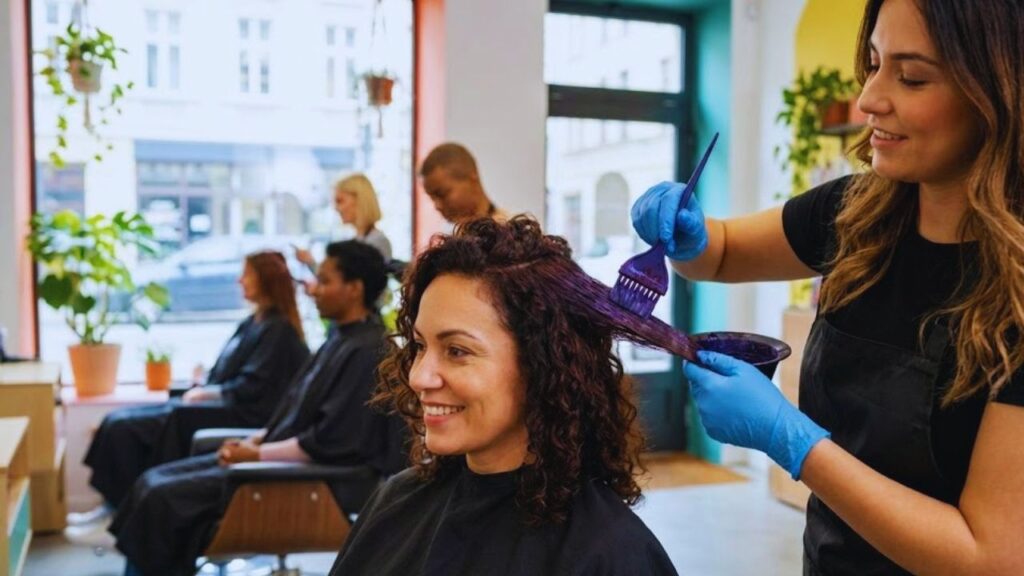
What Causes Hair to Grey and How It Changes Overall Appearance
Hair does not change colour overnight. Each strand grows from a follicle in the scalp where specialised pigment cells called melanocytes add colour to the hair as it grows. This pigment is mainly melanin and it defines your natural shade. Over time factors such as ageing & genetics along with prolonged stress and lifestyle choices cause these cells to slow down or stop making pigment. When this happens new hair grows with little or no melanin and appears grey or white. Grey hair is therefore new growth without pigment rather than older hair that has faded. The protein structure of hair is keratin and it naturally has a pale yellow tone. When melanin disappears this underlying tone becomes more visible especially in bright light. At the same time ageing scalps often produce less natural oil which keeps hair smooth and glossy. Lower oil levels make grey hair feel coarser & appear duller while also causing it to frizz more easily. Texture changes also affect how hair bends and settles which is why grey hair often seems wiry or difficult to manage. Even a small number of bright white strands against darker hair can create strong contrast around the face. This contrast may highlight shadows and under-eye darkness along with fine lines which makes features appear more tired. For many people these visual changes have a greater impact than the colour shift itself.
 Goodbye Hair Dye for Grey Hair: The Conditioner Add-In Helping Restore Natural Colour Gradually
Why Conventional Hair Dye Is Losing Popularity
For many years permanent dye was the go-to solution for covering grey hair. These products use ammonia or similar chemicals to open the hair cuticle so color can penetrate through oxidation. The first application might look polished but using them repeatedly tends to weaken hair strands that are already delicate from going grey. When the cuticle gets damaged it causes dryness and makes hair tangle and break more easily. People with sensitive scalps often experience itching or irritation as well. Keeping up with permanent dye is demanding. It creates a visible line where new growth appears every few weeks so you need frequent touch-ups to maintain the look. As beauty trends shift more people now want softer options that require less commitment & reduce exposure to harsh chemicals while keeping some natural dimension in their hair. The focus has moved away from achieving perfect coverage toward gentle enhancement that looks more natural and realistic.
The Rising Interest in Gentle, Natural Colour Alternatives
Plant-Based Color Boosters and Cocoa for Grey Hair Plant-based and kitchen-inspired color boosters have gained popularity as a gentler hair treatment option. These products work differently from traditional dyes because they do not bleach hair or alter its internal structure permanently. They coat the surface and gradually build up a thin layer of color while making hair shinier. Cocoa powder has become especially popular among these natural ingredients. Cocoa contains natural pigments and polyphenols that can slowly darken light to medium brown hair tones. When applied to grey hair it helps reduce the bright whiteness so grey strands blend better with the rest of your hair. Unlike permanent dye cocoa works as a tinted conditioning treatment that improves both color and texture gradually.

How Cocoa Works on Grey Hair Cocoa-based treatments coat each hair strand and create a soft brown layer that washes out slowly over time. When you mix cocoa with conditioners or oils it also helps hair hold moisture and smooths the outer layer. Many people who use it regularly notice their grey hair looks shinier and feels softer and becomes easier to style. The results are subtle & create a more balanced overall appearance rather than complete grey coverage.
Simple Home Cocoa Treatment This easy recipe works well for sensitive scalps and simple routines. For short to medium length hair mix one tablespoon of pure unsweetened cocoa powder with a good amount of lightweight oil-free conditioner. Stir the mixture until it becomes smooth & evenly colored. Apply it to clean towel-dried hair and focus on areas where grey hair shows most like the temples & hairline and part. Use a wide-tooth comb to distribute the mixture evenly through your hair. Let it sit for 15 to 20 minutes and then rinse with lukewarm water. Do not shampoo immediately because that will wash away most of the color that settled on your hair.
What to Expect Based on Your Hair Color Light brown hair will show a warmer tone and greys will blend faster. Apply the treatment 1 to 2 times weekly. Medium brown hair will gain added richness and greys will mix naturally. Use once per week. Dark brown or black hair will get extra shine with slight warmth but minimal color change. Apply every 7 to 10 days. Blonde hair may develop uneven or dull tones. Test on a small section first or avoid using cocoa.
How Softening Grey Tones Can Refresh Your Look
Grey hair by itself does not make someone look older. Things like haircut and skin condition matter just as much. But when dark hair sits next to bright white strands the contrast can make facial shadows and wrinkles more visible. Cocoa-based treatments reduce this contrast and may help create a softer & more balanced look. Youthful hair is not just about hiding grey. It is more about keeping hair shiny and hydrated with good shape. Smooth hair that reflects light frames the face in a flattering way and brightens the area around the eyes. Even controlling frizz near the face can change how skin looks in person and in photos. Natural color methods like cocoa or coffee work best for people with up to half their hair grey who want blending instead of complete coverage. These methods suit anyone who prefers slow changes and warmer tones without much maintenance. People expecting big results after one use will likely be disappointed because these treatments need time and regular application to work. Even though these treatments are natural they are not completely safe for everyone. Cocoa can cause reactions in sensitive people so doing a patch test before using it fully is important. Products can also build up on hair over time so using a gentle clarifying shampoo every few weeks keeps hair feeling light and looking shiny.
When Natural Colour Approaches Deliver the Best Results
Natural color adjusters such as cocoa coffee, black tea or sage work best for people who have up to 40 to 50 percent grey hair and want to blend it rather than cover it completely. These options are ideal for anyone who likes gradual changes warmer shades and low maintenance. People who expect a dramatic change after one application will likely be disappointed because these methods require regular use and time to show results. Even though these treatments are natural, they still carry some risks. Cocoa can cause reactions in people with certain sensitivities, so doing a patch test before applying it to your entire head is important. These products can also build up on your hair over time, so washing with a gentle clarifying shampoo every few weeks will help keep your hair feeling light and looking shiny.
How This Shift Is Redefining Modern Beauty Standards
The rising interest in cocoa and similar approaches reflects a wider change in beauty standards. A completely even hair color is no longer seen as the only marker of looking young. Mixed grey tones and lighter coverage are now more common in fashion and on social media platforms. This shift promotes personal expression rather than complete color correction. More people are choosing to blend their grey hair instead of hiding it entirely. They combine natural coloring techniques with suitable haircuts and proper scalp maintenance. Good nutrition also plays a supporting role in this approach. Although supplements cannot stop or reverse the greying process itself certain nutrients contribute to healthier hair growth. Omega-3 fatty acids along with iron and zinc help maintain hair strength. B vitamins also support the overall quality of new hair as it develops.
