
The first time I saw it on my grandmother’s nightstand, it looked almost mysterious. A small, dented blue tin, edges scratched from years of being opened with slightly arthritic hands. No marketing, no glossy influencer ad, just that thick white cream she dabbed on everything from dry elbows to windburned cheeks. Years later, I was standing in a bright, sterile hospital lab, a dermatologist with a stack of ingredient lists in front of me. And there it was again: Nivea Creme, the legendary blue tin, printed in tiny fonts and Latin names.
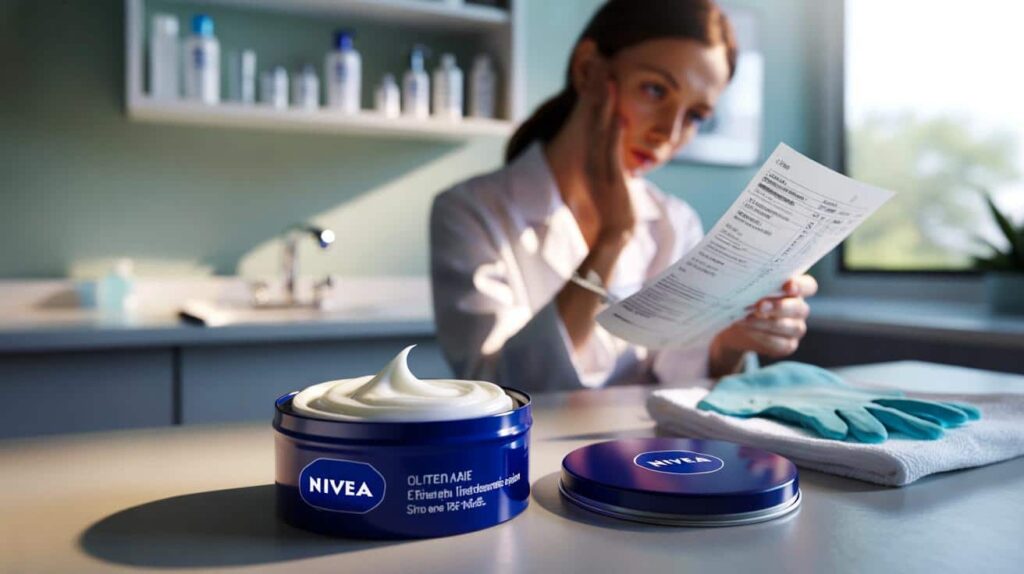
What I found was both more old-fashioned than I expected… and more interesting.
 Nivea: “I’m a dermatologist and I studied the iconic blue cream’s formula, here’s my honest opinion”
What’s really hiding inside the blue Nivea cream?
Let’s start with the obvious: Nivea’s blue cream is not a trendy serum in a frosted dropper bottle. It’s a classic, European-style “cold cream”, heavy on occlusives and emollients, light on bells and whistles. When I read the INCI list, my eyes went straight to petrolatum, paraffinum liquidum, and microcrystalline wax. These are thick, film-forming ingredients that sit on the skin and lock water in.

If you’ve ever felt like the cream “just sits there” on your face, you’re not wrong. That’s the design. It’s a barrier, not a watery gel that disappears in two seconds.

One winter clinic day, a patient came in with painfully cracked hands from washing dishes at a restaurant. Red, raw, almost splitting. She’d tried three expensive “natural” creams with pretty packaging. Nothing worked for longer than an hour. We cleaned the skin, I gave her a short steroid treatment to calm the inflammation, and then told her, quite simply: thick layer of Nivea at night, cotton gloves, every evening for a week.
Seven days later she walked back in with her hands looking almost normal. She appeared half surprised & half amused. She said this was the stuff her mom used & she laughed. It was an old-school formula that gave a very modern result.
Let’s break down why. Petrolatum and mineral oil are extremely effective occlusives. They are not glamorous. They are also not toxic waste, despite the internet myths. In a refined cosmetic-grade form, they are inert, stable and very good at preventing water loss from the skin. Glycerin in the formula pulls moisture into the upper layers. Together, they create that thick, cushiony feel.
The trade-off is breathability and elegance. This cream is rich, even heavy, and on oily or acne-prone faces it can feel suffocating. On dry cheeks, cracked heels, chapped knuckles? It’s often exactly what the skin is begging for, even if the Instagram algorithm would prefer you use a $60 balm.
How a dermatologist actually uses Nivea blue cream
I would not recommend Nivea Creme as a complete face moisturizer for most people. However it works well when used in specific ways. I like to use it as a spot treatment by applying a small amount on top of a regular lightweight moisturizer in areas that need extra help. This works great on cheekbones during cold weather or around the nose when you are sick. You can also put it on your lips at night.
➡️ I saw how they sharpen knives in India, and now I do it myself at home, even old knives become razor sharp in just one minute.
➡️ “I switched to this logistics role at 38, and my earnings finally stabilized”
# The Cleaning Habit That Quietly Saves Time Every Single Week
Most people think cleaning takes too much time. They put it off until the mess becomes overwhelming. Then they spend an entire weekend scrubbing and organizing while feeling frustrated about all the hours lost. But there is a better way to handle household cleaning. It involves a simple habit that takes only minutes each day. This approach actually gives you more free time in the long run. The habit is called cleaning as you go. Instead of letting dishes pile up or allowing clutter to spread across every surface you deal with small messes immediately. You wipe the counter right after making breakfast. You put your shoes away when you walk in the door. You rinse your coffee mug and place it in the dishwasher instead of leaving it on the desk. This might sound like extra work at first. After all, you are cleaning throughout the day instead of ignoring the mess. But the reality is quite different. Each small cleaning task takes only seconds or a minute at most. A quick wipe of the bathroom sink after brushing your teeth takes fifteen seconds. Hanging up your coat instead of tossing it on a chair takes five seconds. When you add up all these tiny moments they total maybe ten or fifteen minutes spread across your entire day. You barely notice the time because these actions blend into your regular routine. You are already at the sink, so wiping it down feels natural. You are already holding your jacket, so hanging it up requires almost no extra effort. Compare this to the traditional approach of deep cleaning once a week. That usually takes two to four hours of focused work. You have to gather supplies, move from room to room, and tackle layers of accumulated dirt and clutter. The work feels exhausting because you are doing it all at once. You lose a significant chunk of your weekend to a task you probably do not enjoy. The math clearly favors the daily approach. Fifteen minutes per day over seven days equals about two hours total. But those two hours feel much easier because they are broken into small pieces. You never have to set aside a big block of time. You never have to psych yourself up for a major cleaning session. The work simply happens as part of your normal activities. There is another advantage that makes this habit even more valuable. When you clean as you go, messes never have time to get difficult. Fresh spills wipe up easily. Dishes rinse clean before food hardens on them. Clutter gets put away before it spreads to multiple rooms. This means the actual cleaning becomes faster and easier. You spend less time scrubbing because nothing has time to stick or stain. You spend less time organizing because items never pile up into overwhelming heaps. The work stays simple and quick. Many people resist this approach because they think it requires constant attention to cleaning. They imagine themselves obsessively wiping surfaces & picking up objects all day long. But that is not how it works in practice. The key is to focus on just a few high-impact moments. Clean up after meals. Put things away when you finish using them. Do a quick tidy of common areas before bed. These three simple practices prevent most household mess from developing. You do not need to clean constantly. You just need to avoid creating future work for yourself. When you leave a mess for later, you are essentially giving yourself an extra chore. When you handle it immediately you are just completing the task you already started. Think about cooking dinner as an example. The traditional approach is to cook the meal, eat it, and then face a kitchen full of dirty dishes and messy counters. Cleaning up feels like a separate chore that you have to motivate yourself to do. It might take thirty minutes or more because everything has been sitting for a while. The cleaning-as-you-go approach looks different. While the pasta water is boiling, you rinse the cutting board & knife you used for vegetables. When you finish with the pan, you let it soak while you eat. After dinner, you load your plate & utensils into the dishwasher and wipe the table. The total cleanup time might be ten minutes because you spread it across the cooking & eating process. Nothing has time to dry or harden. This habit also reduces mental clutter. When you know your space is generally clean, you feel more relaxed. You do not have that nagging voice in the back of your mind reminding you about the growing pile of dishes or the cluttered bedroom. You can actually rest during your free time instead of feeling guilty about chores you are avoiding. Starting this habit does require some initial effort. You need to break old patterns and build new ones. For the first few weeks, you will probably forget sometimes. You will leave dishes in the sink or toss your bag on the floor out of habit. The trick is to start small. Pick just one or two cleaning-as-you-go practices to focus on. Maybe you decide to always make your bed in the morning and always clean the kitchen right after meals. Do just those two things consistently for a few weeks until they become automatic. Then add another small habit. Over time these practices become your new normal. You stop thinking about them as cleaning tasks. They just become part of how you cook how you get ready in the morning, or how you end your day. The behavior feels natural rather than forced. The time savings become obvious after a few months. You realize you have not done a major cleaning session in weeks. Your home stays consistently tidy without any big effort. You have more free time on weekends because you are not catching up on a week of accumulated mess. This approach works for almost everyone regardless of how busy you are. In fact, it often works better for busy people. When you have limited free time, you cannot afford to lose several hours to cleaning. The small daily investments fit much more easily into a packed schedule. The cleaning-as-you-go habit quietly transforms how you maintain your home. It eliminates the boom-and-bust cycle of mess and deep cleaning. It gives you back hours every week. Most importantly, it makes cleaning feel manageable instead of overwhelming. That simple shift makes all the difference.
He holds the title of the wealthiest king in the world. His possessions include seventeen thousand homes spread across various locations. He owns thirty-eight private jets for his travel needs. His collection features three hundred cars of different makes & models. Also he has fifty-two luxury yachts at his disposal.
➡️ People who snack constantly often confuse boredom with hunger
# Kiwi Officially Recognised by the European Union and the UK as the Only Fruit Proven to Improve Bowel Transit
The kiwi fruit has achieved a significant milestone in nutritional science. Both the European Union & the United Kingdom have officially recognised it as the only fruit with proven benefits for improving bowel transit. This recognition marks an important moment for the fruit industry and for consumers seeking natural solutions to digestive health concerns.
## Understanding the Official Recognition
The European Food Safety Authority and UK regulatory bodies have reviewed extensive scientific evidence supporting the digestive benefits of kiwi fruit. This official acknowledgment means that kiwi can now be marketed with specific health claims related to bowel function. Such recognition is not granted lightly and requires substantial clinical evidence to support any claims made about food products. The approval process involved rigorous evaluation of multiple studies examining how kiwi consumption affects digestive health. Researchers looked at various factors including transit time through the digestive system and overall bowel regularity. The consistent positive results across different studies led to this unprecedented recognition for a single fruit.
## What Makes Kiwi Special for Digestive Health
Kiwi fruit contains a unique combination of components that work together to support healthy digestion. The fruit is rich in dietary fiber with both soluble and insoluble types present in significant amounts. A single kiwi provides about three grams of fiber which contributes to the recommended daily intake. Beyond fiber content the kiwi contains an enzyme called actinidin. This natural enzyme helps break down proteins in the digestive system and may contribute to the overall digestive benefits. The enzyme is particularly abundant in green kiwi varieties and remains active even after the fruit is consumed. The high water content of kiwi also plays a role in its digestive benefits. Water helps soften stool and supports smooth movement through the intestinal tract. Combined with the fiber and enzymes this creates an effective natural approach to maintaining regular bowel function.
## Scientific Evidence Supporting the Claims
Multiple clinical trials have demonstrated the positive effects of kiwi consumption on bowel health. One notable study involved participants with constipation who consumed two kiwi fruits daily for four weeks. The results showed significant improvements in bowel movement frequency and ease of passage. Another research project examined healthy individuals and found that regular kiwi consumption reduced transit time through the colon. This means food moved more efficiently through the digestive system. Participants also reported feeling less bloated and experiencing greater comfort after meals. The consistency of results across different population groups strengthened the case for official recognition. Studies included people of various ages and dietary backgrounds. The positive effects appeared regardless of these differences which suggests kiwi has broad applicability for digestive health support.
## Practical Benefits for Consumers
This official recognition provides consumers with confidence when choosing kiwi for digestive health purposes. Unlike many products making unverified claims about digestive benefits kiwi now has regulatory backing for its effects. This distinction helps people make informed decisions about their dietary choices. For individuals experiencing occasional digestive discomfort kiwi offers a natural & pleasant-tasting option. The fruit can be easily incorporated into daily routines through various consumption methods. Whether eaten fresh or added to smoothies and breakfast bowls kiwi provides both nutrition and digestive support. The recognition also benefits people who prefer food-based solutions over supplements or medications. Many individuals seek natural approaches to health maintenance and kiwi fits perfectly into this philosophy. Having official validation makes it easier to recommend kiwi as part of a balanced approach to digestive wellness.

## How to Incorporate Kiwi into Your Diet
Adding kiwi to your regular diet requires minimal effort and offers maximum benefit. Most studies showing digestive benefits used two kiwi fruits per day. This amount is easy to achieve and can be consumed at any time that suits your schedule. Eating kiwi with breakfast provides an excellent start to the day. The fruit pairs well with yogurt and cereal or can be blended into morning smoothies. Some people prefer eating kiwi as a mid-morning or afternoon snack which helps maintain steady digestive function throughout the day. The skin of kiwi fruit is edible and contains additional fiber & nutrients. While many people peel kiwi before eating it consuming the fuzzy skin increases the fiber content even further. Those who find the texture unappealing can opt for the smooth-skinned gold kiwi varieties which are easier to eat whole.
## Comparing Kiwi to Other Fruits
While many fruits contain fiber and support digestive health kiwi stands alone in receiving official recognition for bowel transit improvement. Prunes have long been associated with digestive benefits but have not received the same level of regulatory approval for specific health claims. Apples and pears contain pectin which is beneficial for gut health but their effects on bowel transit have not been documented to the same degree as kiwi. Berries provide excellent antioxidants and fiber yet lack the unique enzyme profile found in kiwi fruit. The combination of fiber types along with actinidin and high water content makes kiwi particularly effective. This multi-component approach explains why kiwi outperforms other fruits in clinical studies focused on digestive transit. The official recognition reflects this superior performance in scientific research.
## Implications for the Fruit Industry
The European Union and UK recognition represents a major achievement for kiwi growers and marketers. This distinction allows the industry to communicate specific health benefits that competitors cannot claim. Such differentiation is valuable in an increasingly crowded marketplace where consumers face countless fruit options. Producers can now develop marketing strategies highlighting the scientifically validated digestive benefits of kiwi. This creates opportunities for targeted campaigns aimed at health-conscious consumers. The official backing adds credibility that generic health claims simply cannot match. Retailers may also benefit from this recognition by positioning kiwi more prominently in stores. Creating dedicated displays that educate shoppers about the digestive benefits could increase sales. The combination of taste & proven health benefits makes kiwi an attractive option for many consumers.
## Future Research Directions
While current evidence strongly supports the digestive benefits of kiwi ongoing research continues to explore additional health effects. Scientists are investigating whether kiwi consumption influences gut microbiome composition. Early findings suggest that kiwi may promote beneficial bacteria growth which could have broader health implications. Researchers are also examining optimal consumption patterns for different population groups. Questions remain about whether timing of consumption affects results or if certain individuals respond better than others. Understanding these nuances will help refine recommendations for kiwi intake. Additional studies are exploring whether kiwi benefits extend beyond bowel transit to other aspects of digestive health. Some preliminary research suggests potential benefits for reducing inflammation in the digestive tract. As more evidence accumulates kiwi may receive recognition for additional health claims in the future.
## Conclusion
The official recognition of kiwi by the European Union and United Kingdom as the only fruit proven to improve bowel transit represents a significant achievement. This distinction is based on solid scientific evidence from multiple clinical trials. Consumers can now choose kiwi with confidence knowing that its digestive benefits have regulatory backing. The unique combination of fiber types along with the actinidin enzyme & high water content makes kiwi particularly effective for supporting healthy digestion. Incorporating two kiwi fruits into your daily diet provides a natural and enjoyable way to maintain regular bowel function. This recognition sets kiwi apart from other fruits and validates what many people have experienced through regular consumption.
➡️ Bird lovers use this cheap February treat to keep feeders busy and attract birds every morning
➡️ Bad news for homeowners: a new rule taking effect on February 15 will ban lawn mowing between noon and 4 p.m., with fines now on the line
Think of it as a blanket, not a T‑shirt. You don’t wear a wool blanket all day, but on a freezing night you’re glad it’s there.
Where people often get into trouble is by slathering it on like a trendy overnight mask, every single evening, on skin that’s already combination or acne-prone. Then they come to me two weeks later with clogged pores and shine, and say “I’ve developed an allergy.” That’s rarely the case. It’s just not the right match for their skin type or routine.
Let’s be honest: nobody really reads the ingredient list and adapts their usage; they just copy what a TikTok video showed. Thick, occlusive creams like this are amazing when the skin barrier is damaged, dry, or sensitized. On already oily skin, they can tip the balance toward congestion.
I also get a lot of questions about “toxicity” and “endocrine disruption” because the cream smells like something and contains synthetic ingredients. The fragrance can indeed bother very sensitive or eczema-prone skin, and I tell those patients clearly: avoid the fragranced blue tin for daily use on your face. That doesn’t mean the formula is dangerous in a general sense. It means that for reactive skin, even a small added irritation is too much.
“From a dermatologist’s point of view, the blue Nivea cream is like a sturdy, old car: not very fancy, not the fastest, but if you use it for what it’s built for, it rarely lets you down.”
- Best suited for: Dry, non-acne-prone skin, localized rough patches, winter hands and feet.
- Use with caution on: Oily, acne-prone, or very sensitive faces, especially if you’re already using active treatments.
- Smart pairings: Lightweight hydrating serum first, then a thin veil of Nivea only where you feel tightness.
- Situations where it shines: Airplane travel, cold wind, frequent handwashing, post-retinoid dryness (when cleared by your doctor).
- When to skip it: Active breakouts, rosacea flares, or if fragrance has triggered your skin before.
So, is the blue tin a keeper or a relic?
When I strip away the nostalgia and the marketing, what’s left is a very honest formula. No peptides promising miracles, no vitamin alphabet soup, no gold flakes. Just a dense, occlusive cream that has survived over a century because it does one thing very well: trap moisture and soften rough skin.
There’s a quiet kind of credibility in that. New products are launched every month, but it’s rare for a formula to survive three generations of bathroom cabinets.
That doesn’t mean it deserves a halo. On some faces, it will clog. On some noses, the fragrance will sting. On teenagers using actives, it can be too much. A lot of my work as a dermatologist is explaining that there’s no universally “good” cream, only matches and mismatches between formula and skin. *A blue tin that’s magic for your grandmother’s heels might be a disaster for your 16-year-old’s T‑zone.*
The plain truth is: a product can be both overhyped and genuinely useful at the same time.
So if you have that tin sitting half-open in your drawer, the real question is not “Is Nivea good or bad?” The better question is: “Where, when, and how could this texture actually help my skin?” Maybe it lives by the sink as your post-handwashing shield. Maybe you reserve it for ski trips and harsh winters. Maybe it becomes a nightly foot ritual with socks pulled on over a thick layer.
And maybe you decide it doesn’t fit your face at all, and that’s fine. But next time you see that blue circle in someone’s bathroom, you’ll know it’s more than just an old-fashioned cream or a viral hack. It’s a very specific tool. Used with a bit of intention, it can still earn its spot in a modern routine.
| Key point | Detail | Value for the reader |
|---|---|---|
| Occlusive, old-school formula | Rich in petrolatum, mineral oil and waxes that lock in moisture | Helps you decide if your dry skin could benefit from a strong barrier cream |
| Not for every skin type | Can feel heavy and potentially clogging on oily or acne-prone faces | Avoids trial-and-error breakouts and frustration |
| Best used in targeted ways | Localized application on dry patches, hands, feet, and during harsh weather | Lets you get the benefits without overloading your whole face |
FAQ:
- Is Nivea blue cream safe to use on the face every day?For dry, non-acne-prone skin, an occasional thin layer can work, especially at night. For oily, combination, or breakout-prone faces, daily use is usually too occlusive.
- Does Nivea Creme cause acne?It doesn’t directly “cause” acne, but its heavy, occlusive texture can contribute to clogged pores on people already prone to breakouts or using comedogenic makeup.
- Is the mineral oil and petrolatum in it dangerous?Cosmetic-grade mineral oil and petrolatum in regulated products are highly purified and considered safe. The bigger issue is texture and suitability, not toxicity.
- Can I use it around my eyes as an eye cream?You can, if your skin tolerates fragrance and heavy textures. Apply sparingly, avoiding direct contact with the eyes, and stop if you notice milia or irritation.
- Is it better than expensive moisturizers?Different function. Many pricier creams add actives and elegant textures. Nivea blue cream is mainly a strong occlusive. For plain barrier repair, it can rival far more expensive options.
