
The wind on Hadrian’s Wall does more than sting your cheeks. It whistles through 1800 years of history and cuts across the mossy stones and ruined barracks before descending into a dark square hole in the ground. This latrine was once crowded with Roman soldiers wearing wool cloaks and worn boots but now it holds only quiet soil and the ghosts of very private moments.
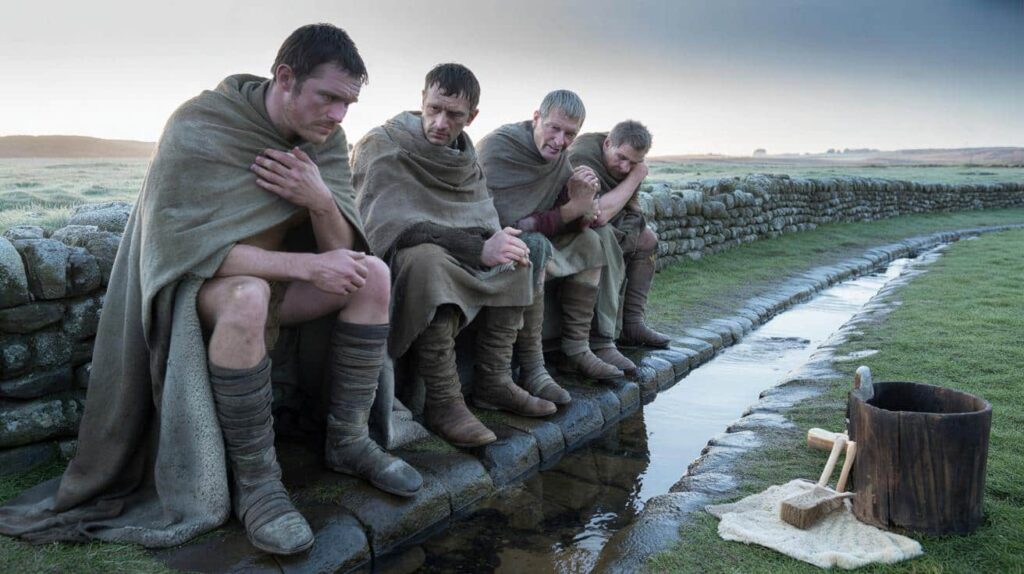
Today, archaeologists kneel where those men once squatted, scooping up what looks like ordinary dirt. Under the microscope, that earth turns into something else: a chaotic microscopic zoo of parasite eggs, frozen in time. Gut worms, whipworms, roundworms. Tiny reminders that Roman life on the edge of empire was uncomfortable in ways we don’t usually picture.

The latest analysis of these ancient toilets is rewriting what we thought we knew about Roman hygiene, strength, and daily misery.
And it’s surprisingly relatable.

The fortress, the cold…and the worms no one talked about
Picture a winter dawn on Hadrian’s Wall. The sky shows a strip of dull silver while the ground stays hard with frost. A line of sleepy soldiers shuffle toward the communal latrines behind the fort. They joke & complain as they clutch their cloaks tighter. They do what soldiers everywhere do when getting through another morning.

The stone bench is cold and slick. Beneath them, a channel of running water carries waste away, an advanced system for the second century. On paper, this looks almost modern. Clean. Well engineered.
Yet inside those same men, their guts are quietly crawling.
The new study examined soil samples from the Wall’s latrines under a microscope & found clear evidence that these soldiers had serious parasite problems. They were not dealing with just a few random worms but rather severe and widespread infestations. The samples repeatedly showed whipworm and roundworm along with other gut parasites at levels that indicate the soldiers suffered from ongoing infections rather than occasional cases of bad luck.
One researcher described the findings as like “reading a health report from 1,800 years ago.” Only this report card is grim. Parasites were so common that it’s almost safe to assume a typical Roman soldier there was often dealing with stomach cramps, fatigue, and messy, unpredictable bowels, right in the middle of guard duty or weapons drill.
This clashes with the usual image of the Roman army: disciplined, invincible, efficiently hygienic compared with their “barbarian” neighbors. The latrine system, with running water and shared sponges, was meant to be state-of-the-art sanitation.
The same conditions that existed at the wall likely helped parasites spread more easily. Soldiers shared cleaning tools and often did not wash their hands properly. Food became contaminated & the cramped living spaces of military camps made everything worse. Archaeologists who study the ancient toilets along the wall have learned something important. The Roman military was not the perfectly clean & organized force that many people imagine. Instead it was made up of regular soldiers who struggled with health problems while they defended the edge of the Roman Empire.
➡️ Frost traps for squirrels: Expert explains why your help is urgently needed
➡️ HVAC pros explain why closing vents in unused rooms actually increases heating bills
# Psychology Explains Why You Sometimes Feel Nostalgic for Sadness
Have you ever found yourself deliberately listening to a melancholic song or watching a tearjerker movie when you could easily choose something uplifting instead? This peculiar human tendency to seek out sadness might seem contradictory at first glance. After all we generally try to avoid pain & pursue happiness in our daily lives. Yet many of us occasionally crave experiences that make us feel sad or wistful. Psychology offers several explanations for this seemingly paradoxical behavior. Understanding why we sometimes embrace sadness can reveal important insights about our emotional lives and mental health.
## The Comfort of Familiar Pain
One reason we feel nostalgic for sadness relates to the concept of emotional familiarity. When we revisit sad memories or consume melancholic content, we often do so because those feelings are known to us. There is a strange comfort in familiar emotions, even when those emotions are painful. Think about listening to a song that reminds you of a past heartbreak. While the memory might sting, there is also something reassuring about it. You survived that difficult time. You know how that story ended. The sadness becomes a marker of your personal history rather than an active threat. This familiarity creates a sense of control. Unlike new sources of sadness that might catch us off guard, nostalgic sadness is predictable. We know exactly how sad we will feel and we can stop engaging with it whenever we choose.
## Bittersweet Emotions & Personal Growth
Psychologists have identified a specific emotional state called bittersweetness that combines sadness with other positive feelings. When we feel nostalgic for sad times, we are often experiencing this complex emotion rather than pure sadness. Bittersweet feelings acknowledge that something valuable was lost while simultaneously recognizing what was gained. You might feel sad about a friendship that ended but also grateful for the lessons it taught you. You might miss your childhood home while appreciating how much you have grown since leaving it. This emotional complexity serves an important function. It allows us to process difficult experiences without becoming overwhelmed by negativity. The sadness validates that our loss mattered while the positive elements help us move forward. Research suggests that people who can experience and appreciate bittersweet emotions tend to have greater emotional depth & resilience. They can hold multiple truths at once without needing to simplify their experiences into purely good or purely bad categories.
## Sadness as a Form of Meaning-Making
Another psychological explanation involves the human need for meaning. Sad experiences often feel more meaningful than neutral or mildly positive ones. They force us to confront important questions about what matters to us and who we want to be. When we feel nostalgic for sadness, we might actually be craving that sense of significance. A period of grief or struggle often becomes a defining chapter in our life story. Revisiting those feelings can reconnect us with a time when we felt deeply engaged with life, even if that engagement was painful. This explains why people sometimes romanticize difficult periods in their past. The struggling artist phase or the heartbreak that inspired personal transformation takes on a special glow in memory. The sadness becomes intertwined with identity and purpose.
## The Cathartic Release of Controlled Sadness
Engaging with nostalgic sadness can also serve a cathartic function. Modern life often requires us to suppress or manage our emotions to meet social and professional expectations. We cannot always cry when we feel like crying or express vulnerability when we need to. Choosing to experience sadness through nostalgia creates a safe space for emotional release. You can listen to that sad song in private and let yourself feel whatever comes up. This controlled environment allows for emotional expression without the complications that might arise from showing vulnerability in other contexts. Many people report feeling lighter or more balanced after allowing themselves to experience nostalgic sadness. The act of feeling & acknowledging the emotion seems to satisfy something that was missing.
## Connection to Our Past Selves
Nostalgic sadness also serves as a bridge to our former selves. As we change and grow throughout life, we can sometimes feel disconnected from who we used to be. Revisiting old sadnesses reminds us of our continuity as individuals. When you remember how you felt during a difficult breakup ten years ago, you are connecting with that younger version of yourself. You are acknowledging that person’s pain and validating their experience. This can be a form of self-compassion and integration. This connection becomes especially important during times of transition or uncertainty. When you are unsure about your current direction, looking back at past challenges you overcame can provide reassurance. The sadness you survived becomes evidence of your strength.
## The Aesthetic Appeal of Melancholy
There is also an aesthetic dimension to nostalgic sadness that psychology recognizes. Humans are drawn to beauty in many forms and melancholy has its own particular beauty. Sad music rainy days and wistful memories can feel artistically or spiritually rich in ways that simple happiness sometimes does not. This appreciation for melancholic beauty appears across cultures & throughout history. Poetry music, and visual art frequently explore themes of loss, longing, and sadness. These works resonate with us because they capture something true about the human experience. When we seek out nostalgic sadness, we might be responding to this aesthetic pull. We are drawn to the emotional texture and depth that sadness provides. It makes us feel more fully human and connected to the broader human experience.
## When Nostalgic Sadness Becomes Problematic
While occasional nostalgic sadness is normal and can even be healthy psychology also warns about potential pitfalls. If you find yourself constantly dwelling in past sadness or unable to engage with present joys, this might indicate a problem. Rumination is the psychological term for repetitively focusing on negative thoughts and feelings. Unlike healthy reflection rumination keeps you stuck in unproductive patterns. If your nostalgic sadness prevents you from moving forward or interferes with daily functioning, it may have crossed into rumination. Similarly, if you can only feel emotionally alive when experiencing sadness, this might suggest difficulty accessing other emotions. A balanced emotional life includes the full range of human feelings, not just the melancholic ones. Depression can sometimes masquerade as nostalgic sadness. If you notice that your attraction to sad feelings is accompanied by hopelessness, loss of interest in activities, or other symptoms of depression, seeking professional help is important.
## Finding Balance with Nostalgic Emotions
The key to healthy engagement with nostalgic sadness lies in balance and awareness. Allowing yourself to occasionally revisit sad memories or consume melancholic content can be enriching. It becomes problematic only when it dominates your emotional life or prevents you from experiencing other feelings. Being intentional about when and how you engage with nostalgic sadness helps maintain this balance. You might set aside specific times for reflection rather than letting it intrude on moments meant for other experiences. You might also check in with yourself about why you are seeking out sadness at any given moment. Understanding your own patterns can be illuminating. Do you turn to nostalgic sadness when you are avoiding current problems? Does it help you process emotions or does it keep you stuck? These questions can guide you toward healthier emotional habits.
## The Value of Emotional Complexity
Ultimately, the tendency to feel nostalgic for sadness reflects the beautiful complexity of human emotions. We are not simple creatures who only seek pleasure and avoid pain. We are capable of finding value, meaning, & even comfort in difficult feelings. This capacity for emotional nuance is part of what makes us human. It allows us to appreciate the full spectrum of life experiences and to grow from both joy and sorrow. Nostalgic sadness reminds us that our past with all its pain and beauty, has shaped who we are today. Rather than judging ourselves for occasionally craving sadness, we can recognize it as a natural part of being emotionally complex individuals. The key is to engage with these feelings mindfully and to ensure they enrich rather than diminish our lives.
# What It Means When Someone Always Interrupts Others While They Speak
Psychology offers several explanations for why some people consistently interrupt others during conversations. Understanding these reasons can help us respond more effectively to this frustrating behavior.
## Common Psychological Reasons for Interrupting

**Lack of Self-Awareness**
Many people who interrupt frequently do not realize they are doing it. They may have grown up in households where talking over others was normal. Without feedback from others they continue this pattern into adulthood without understanding how it affects their relationships.
**Need for Control**
Some individuals interrupt because they feel a strong need to dominate conversations. This behavior often stems from insecurity or a desire to appear knowledgeable. By controlling the flow of discussion they feel more powerful & important.
**High Enthusiasm**
Not all interrupting comes from negative places. Some people interrupt because they feel genuinely excited about the topic. Their thoughts come so quickly that they struggle to wait for an appropriate pause. While their intentions may be good the impact on others remains the same.
**Anxiety and Impatience**
People dealing with anxiety often interrupt because silence makes them uncomfortable. They rush to fill gaps in conversation or fear they will forget their thoughts if they wait. This creates a cycle where their anxiety drives behavior that actually increases social tension.
**Poor Listening Skills**
Chronic interrupters often focus more on what they want to say next rather than truly hearing others. They treat conversations as competitions rather than exchanges. This prevents genuine connection and understanding between people.
## The Impact on Relationships
Constant interrupting damages relationships in multiple ways. It signals disrespect and makes others feel undervalued. Over time people may avoid conversations with frequent interrupters or share less personal information with them.
## How to Address the Behavior
If someone interrupts you regularly try addressing it directly but kindly. You might say something like “I would like to finish my thought” or “Please let me complete what I was saying.” Setting clear boundaries helps both parties communicate better. For those who recognize this tendency in themselves the first step is acknowledging the pattern. Practice active listening by focusing entirely on what others say. Count to two after someone finishes speaking before you respond. This small pause ensures they have truly finished their thought. Understanding why people interrupt helps us respond with both firmness and compassion. Whether the cause is enthusiasm or insecurity recognizing the underlying psychology allows for more productive conversations.
➡️ It’s confirmed and official : heavy snow expected starting late tonight authorities urge caution
➡️ China sets a new world record in energy with a titanic feat at its Tianwan solar plant and 19.45-kilometre 220 kV line
➡️ Burying a nuclear plant 1,600 metres underground brings 2 key advantages: pressure and rock
➡️ Why some people feel a deep need to be understood but struggle to explain themselves
What the poop samples really say about Roman daily life
The study method sounds unglamorous, but it’s brutally effective. Researchers took small cores of soil from the ancient cesspits under the latrines. Back in the lab, they mixed the soil with water, sieved it, and searched it under powerful microscopes. Parasite eggs are tough; their shells can survive for thousands of years if the conditions are right.
Under magnification, the eggs are strangely beautiful: oval, textured, sometimes with tiny caps or ridges. Each shape is a signature. Whipworm. Roundworm. Tapeworm. The scientists counted them, identified them, and built a kind of invisible population map of the soldiers’ intestines.
The numbers weren’t subtle. Multiple layers of soil from different time periods along the Wall all told the same story. Heavy, repeated presence of parasite eggs, especially from species that spread through contaminated food, dirty hands, or contact with human waste.
At a fort like Housesteads or Vindolanda, that means the mess wasn’t an isolated outbreak. It was routine. A man might be stationed there for years, sharing barracks, toilets, meals, and the same invisible fungal of infection. Imagine standing in formation, armor pressing against a bloated stomach, hoping today isn’t the day the cramps hit in the middle of inspection. We’ve all been there, that moment when your own body becomes the most unreliable part of the day.
For historians, this fills in a missing piece. Written sources from the Roman world barely talk about worms, apart from a few medical texts. There’s pride, campaigns, pay lists, love letters scratched on wooden tablets. Little about the quiet misery of diarrhea or anemia.
The latrine analysis is like someone finally turning up the volume on the background noise of Roman life. It suggests diets heavy in grain but light in proper cooking or washing. It hints at exhausted camp cooks, overused water supplies, basic hygiene rules ignored on freezing mornings. **Let’s be honest: nobody really scrubs their hands properly with cold water when the wind is slicing through their tunic.** The result was a frontier full of tough men, constantly dragged down by parasites they could not see and barely understood.
What this ancient gut misery says about us, here and now
So what do you do with a story about Roman worms in a 2,000‑year‑old toilet? One useful move is to look at your own daily rituals with a slightly more curious eye. The soldiers on Hadrian’s Wall thought they had a pretty advanced system. Running water, drainage, communal facilities. From their perspective, the infrastructure screamed “civilized.”
The difference between what things looked like and what they actually did was enormous. Even their most advanced technology continued to spread disease. In our time the expensive soap and the contemporary sink and the stylish kitchen & the probiotic drink serve the same reassuring function. A basic practice like washing your hands completely before a meal or making sure meat is fully cooked remains much more important than how products are wrapped and advertised.
Another lesson is about blind spots. The Roman army was obsessed with training, weapons, roads, discipline. Parasites were just part of the background, a nuisance they didn’t link to performance or long‑term health.
We’re not so different. We might obsess over steps on a smartwatch, macros in a diet app, or the perfect workout plan, while ignoring chronic digestive issues, poor sleep, or low‑grade stress. Those quiet, daily discomforts are our version of the worm eggs under the latrine: small, persistent, rarely talked about, but hugely influential over time. **The plain truth is, what we choose to overlook often shapes us as much as what we obsess over.**
“Ancient parasites are more than just a curiosity,” one archaeoparasitologist explained in the study. “They are a mirror. They show us how human bodies have always been negotiating with environments, systems, and habits that weren’t quite as clean or healthy as people believed at the time.”
- Roman toilets looked advanced
Stone seats, flowing water channels, shared sponge sticks — the infrastructure was impressive for the era. - Yet parasites thrived
Microscopic eggs in the latrine soils show repeated, long‑term gut infections across multiple forts along the Wall. - Modern life has its own “worms”
From processed food to rushed habits, we still live with hidden health drains that feel normal until someone puts them under a microscope.
A frontier full of echoes: what lingers in a 1,800‑year‑old latrine
Stand on Hadrian’s Wall today and you can still see the outlines of the latrine blocks, the worn edges of stone where hundreds of men sat, shivered, and chatted about home. The new analysis of those dark, damp corners reminds us that empire isn’t just marble and triumph. It’s also stomach aches, restless nights, and the quiet drag of bodies pushed past comfort.
There’s something oddly grounding in that. The same species that carved out a frontier across northern Britain also struggled with basic gut health. The same army that projected power across continents built toilets that looked modern but silently recycled disease.
Looking at those parasite eggs, perfectly preserved in ancient excrement, you can’t help wondering what traces our own daily discomforts will leave behind. Maybe, centuries from now, someone will dig through our landfills, our sewers, our discarded packaging, and read our habits as clearly as we’re starting to read the Roman garrison’s. It makes you rethink what counts as “advanced” — and what quiet problems we still live with, unnoticed, day after day.
| Key point | Detail | Value for the reader |
|---|---|---|
| Roman soldiers were heavily infected with parasites | Latrine soil along Hadrian’s Wall shows consistent whipworm, roundworm and other gut parasites | Helps you see past the heroic myth of the past and understand the real, messy bodies behind history |
| Hygiene systems can fail silently | Shared sponges, cold water and crowded forts likely helped spread the worms despite “advanced” toilets | Invites you to question which of your modern habits only look healthy from the outside |
| Ancient health problems echo today | Chronic, low‑level discomfort shaped soldiers’ lives but rarely made it into official records | Encourages you to pay attention to your own background symptoms and daily routines |
FAQ:
- Were Roman toilets really more advanced than those of other ancient cultures?In many cases, yes. Roman forts on Hadrian’s Wall had stone seats, drainage channels, and sometimes running water, which was ahead of many contemporary societies. The parasite evidence just shows that “advanced” didn’t mean “effective” for health.
- What kinds of parasites did researchers find in the latrines?They identified eggs of whipworm, roundworm and likely tapeworm, all known to infect the human gut. These parasites typically spread through food or water contaminated with human feces, or from poor hand and utensil hygiene.
- Did these parasites actually affect Roman military performance?Most likely, yes. Chronic infection can cause fatigue, diarrhea, abdominal pain and anemia. For soldiers marching long distances or standing watch in harsh weather, that kind of constant drag on the body would have been significant, even if no one explicitly wrote about it.
- How can parasite eggs survive for 1,800 years?Many parasite eggs have tough outer shells that resist decay. In cool, damp, oxygen‑poor environments like ancient cesspits, they can remain intact for millennia, allowing scientists to identify them under a microscope long after the host is gone.
- Does this mean the Romans were less hygienic than we thought?Not exactly less hygienic, but differently hygienic. They invested heavily in infrastructure that looked impressive, yet some practices — like shared sponges and limited soap use — unintentionally helped parasites spread. It’s a reminder that social ideas of “clean” don’t always line up with biological reality.
