
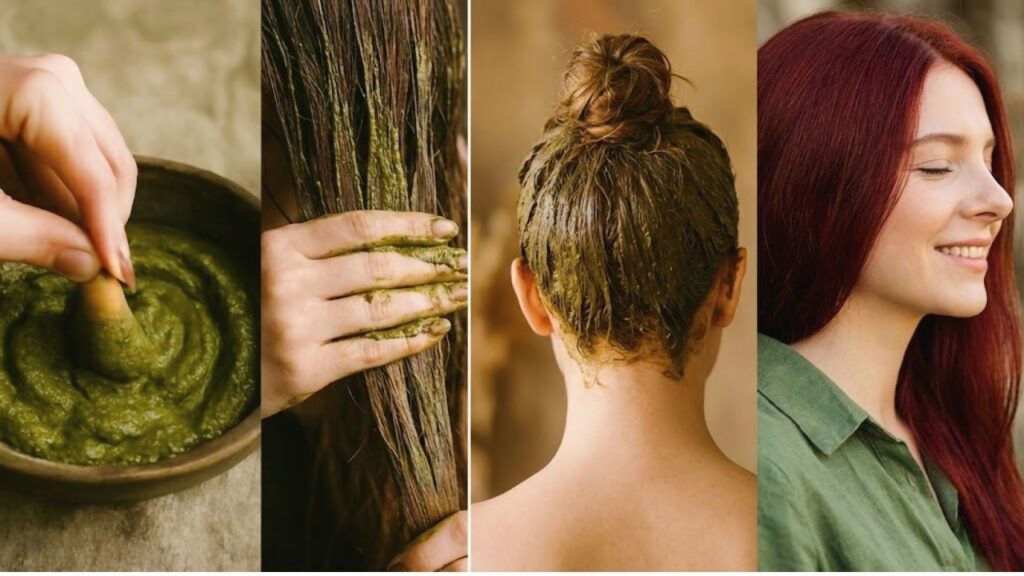
The first time I applied henna to my hair, the kitchen filled with a scent that felt straight out of an old herbal pharmacy. The air carried notes of wet earth and dried leaves, warm and unexpectedly comforting, like soil steeped in hot water. On the counter sat a ceramic bowl holding a deep green paste, thick and glossy, almost like melted chocolate blended with plants. I paused with the spoon midair, wondering if this earthy mixture could truly compete with boxed hair dyes from the drugstore. Then I dipped the brush, parted my hair, and worked it through. The paste felt cool and dense on my scalp, staining my hands and strands, quietly reshaping how I understood beauty.
Natural Henna Hair Dye Recipes for Gentle Coloring
Why Henna Still Feels Remarkable in a Chemical-Heavy World
Walking through a modern hair dye aisle can feel overwhelming, filled with sharp chemical scents, bold promises, and fine-print warnings. Many accept ammonia, peroxide, and synthetic blends as the cost of achieving a desired shade. Henna offers a completely different path. Made from the Lawsonia inermis plant, henna has colored hair, skin, and fabric for thousands of years. When blended with warm liquid, its lawsone pigment releases gradually, bonding gently with keratin. Rather than stripping hair, henna coats each strand in translucent color, leaving hair stronger, shinier, and visibly healthier. Its scent is earthy and authentic, turning coloring into a grounding ritual instead of a rushed task.
 Goodbye Hair Dye for Grey Hair: The Simple Conditioner Add-In That Restores Colour Gradually
Choosing Pure and Clearly Labeled Henna
The quality of henna matters more than anything else. True henna should be pure, body-art-quality powder, free from metallic salts or synthetic dyes. Many bad experiences come from compound hennas that hide added chemicals. Good henna feels finely sifted, smells grassy and fresh, and never sparkles or carries an artificial scent. Freshness is key, as henna loses strength over time. Reading labels carefully and sourcing responsibly becomes part of the ritual. You’re not just buying color, you’re choosing a plant-based ingredient grown in soil, harvested, and ground with care. When respected as a living material, henna delivers richer and more dependable results.
 Plank Hold Timing Explained: How Long You Should Hold a Plank to Build Core Strength at Every Age
Building a Simple Henna Setup
Henna coloring doesn’t require expensive tools. A glass, ceramic, or stainless-steel bowl, a spoon, gloves, an applicator brush, plastic wrap, and an old towel are enough. Avoid reactive metals and always protect your hands and clothing. More important than tools is patience. Henna works slowly, releasing dye over hours rather than minutes. Compared to instant chemical dyes, henna feels like slow, intentional preparation, unhurried and far more satisfying in the end.

Classic Henna Blend for Warm Copper Shades
The most basic recipe creates rich copper tones. Mix pure henna powder with strong warm tea until it reaches a yogurt-like texture. Optional lemon juice or apple cider vinegar can support dye release if your scalp tolerates mild acidity. Let the mixture rest for 4 to 8 hours until the color deepens. Apply evenly to clean hair, wrap, and leave for 2 to 4 hours. After rinsing, the shade may appear bright at first, but it oxidizes naturally over several days into softer copper or auburn, depending on your base color.
Creating Auburn and Brown Tones With Plants
Henna shades can be softened or deepened by combining it with other natural powders. Mixing henna with amla powder reduces brightness and introduces cooler auburn tones while supporting hair texture. For deeper brown or chocolate shades, a two-step method works best. Apply henna first for a red base, then follow with indigo to darken the color. This approach provides greater control and more predictable results, especially on light to medium hair, producing tones from chestnut to near black.
Common Natural Add-Ins and Their Benefits
- Amla powder softens strong red tones and supports fuller-looking hair.
- Indigo powder deepens henna into brown or near-black shades.
- Cassia adds shine with minimal color for lighter hair.
- Black tea or coffee enhances depth in medium to dark hair.
- Chamomile tea brightens lighter shades with golden warmth.
- Aloe vera gel improves moisture and paste smoothness.
- Essential oils enhance scent and support scalp comfort.
Henna Gloss for Soft Color and Shine
For a subtle result, a henna gloss works beautifully. Blend a small amount of henna paste with a silicone-free conditioner and apply it like a hair mask. Leave it on for 45 to 90 minutes before rinsing. This method adds gentle warmth, soft highlights, and noticeable shine without dramatic color change, making it ideal for first-time users.

Finding Your Perfect Shade Through Layering
Henna builds color gradually. Each application adds depth and richness. Light hair turns golden-copper, medium hair deepens into auburn or chestnut, and dark hair reveals red tones in sunlight. Gray strands become warm highlights rather than disappearing entirely. Because henna fades slowly, starting lightly allows you to adjust over time while protecting hair health.
Safety Checks and Hair History Awareness
Even natural dyes require care. Always perform a patch test to check sensitivity, applying a small amount to skin and observing for 24 to 48 hours. Be cautious if your hair has been treated with chemical dyes, especially those containing metallic salts. Pure henna is generally safe, but low-quality products can cause issues. Protect your hairline with oil, ensure good ventilation, and allow proper processing time.
Aftercare and Lasting Results
Rinsing henna takes patience, but warm water helps remove the paste fully. Many people avoid shampooing for the first 24 hours to let the color settle. Over the following days, the shade deepens and stabilizes. With gentle cleansing and minimal sulfates, henna color lasts well. Occasional gloss treatments or root touch-ups help maintain consistency while keeping hair strong and glossy.
The Subtle Strength of Plant-Based Hair Color
Henna works with your natural hair rather than against it. Grays become highlights, and natural variations add character. Choosing henna is a quiet shift away from harsh chemicals and rushed beauty routines. It encourages patience, earthiness, and connection. The result isn’t a perfectly uniform salon shade, but a living color shaped by time, light, and nature, deeply personal and grounded.


