“I’m done chasing my roots,” she murmurs, staring at the thin silver line along her part. Around her, the counter resembles a small color lab, stacked with bowls labeled chestnut shades, espresso tones, and iced mocha browns. But she doesn’t want any of them. Instead, she seeks something quieter — not the usual hair dye everyone recognizes. She wants a subtle, forgiving approach that feels natural, one that allows gray to exist without signaling desperation or artificiality.
From Full Coverage to Gentle Blending
Modern salons are hearing the same request repeatedly: “I don’t want it to look dyed.” The goal isn’t rejecting gray, but avoiding flat, opaque color that appears artificial under light. Stylists now emphasize soft blending techniques, allowing silver strands to show while carefully choosing where to place them. Semi-permanent washes, translucent tints, root shadows, and glosses create a refreshed look without harsh regrowth lines. For instance, London-based 52-year-old Karen, who had colored every three weeks, tried a mushroom-brown glaze and ultra-fine face-framing highlights. Two hours later, gray and color merged seamlessly, leaving her hair dimensional and low-maintenance. “I feel younger,” she said, not because the gray disappeared, but because she stopped fighting it.
How Blending Transforms Your Look
Using solid dark colors can make the face appear harsher, highlighting fine lines and shadows, while stark white roots draw attention to the scalp. Blending techniques reduce contrast, add soft light, and brighten skin, redirecting focus to natural expression rather than regrowth. Stylists liken it to hair contouring: light and depth are used to create dimension, subtly shaping how others perceive the face. Gray isn’t eliminated but integrated in a way that looks deliberate, sophisticated, and effortless.
The Modern Guide to Gray Blending
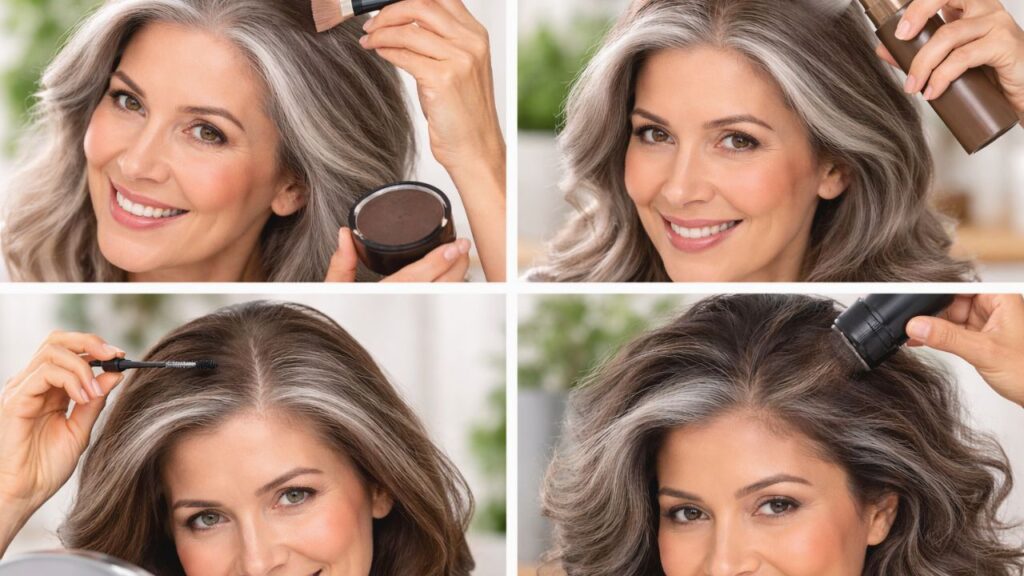
The trending method is called gray blending, a technique focused on negotiation rather than coverage. Stylists work in sections, applying sheer demi-permanent tones to soften bright whites, layering subtle lowlights for depth, and adding baby lights around the face. This allows appointments to extend to eight or twelve weeks and creates a lived-in, polished look. Maintenance is minimal: a purple or blue shampoo weekly prevents yellowing, while lightweight oils or serums control frizz and enhance shine. Tinted root sprays or powders quickly soften the part for special occasions. The overall goal is realism — gray appears intentional and healthy without daily effort.
Confidence Through Subtle Choices
Adopting this softer approach changes the internal dialogue. Instead of scrutinizing every strand, attention shifts to texture and movement. Clients, like Paris-based colorist Lila Moreau’s patrons, now focus on looking rested and luminous rather than hiding age. Avoiding overly dark shades, frequent permanent dyes, or ignoring cut and shape ensures hair maintains vitality. This trend isn’t about rejecting color but choosing how it fits into daily life. Gray becomes a design element, offering control over appearance while embracing authenticity. By shaping light, texture, and shine, individuals highlight their best features, turning natural gray into a deliberate, stylish choice.
| Technique | Purpose | Maintenance |
|---|---|---|
| Gray Blending | Soft integration of silver | Purple/blue shampoo weekly |
| Root Shadows | Reduce harsh regrowth lines | Tinted root sprays as needed |
| Sheer Demi-Permanent | Subtle tone enhancement | Reapply every 8–12 weeks |
| Face-Framing Baby Lights | Brighten features and soften contrast | Minimal touch-ups required |
| Glosses & Serums | Add shine, reduce frizz | Apply post-wash or blow-dry |