Tight hips have become one of the most frequent physical complaints linked to modern sedentary lifestyles. Sitting for long hours with very little daily movement causes the hip flexors and glute muscles to gradually shorten and stiffen. When ongoing stress is added and stretching is ignored, the muscles surrounding the hips become even more restricted. This stiffness builds quietly over time and often results in lower back discomfort while negatively affecting overall posture and mobility.
Four Gentle Evening Yoga Poses
How Evening Yoga Naturally Releases Hip Tension
Evening yoga for hip relief provides a gentle and natural way to release the tension that collects throughout the day. Unlike high-intensity workouts, this approach focuses on slow stretching, controlled breathing, and deep relaxation. Practicing hip-opening poses in the evening allows the body to unwind gradually. As the nervous system calms, both the mind and muscles settle, helping prepare the body for restful and uninterrupted sleep.
How Hip Tightness Develops Gradually
Hip stiffness does not appear overnight. It develops slowly due to everyday habits and repeated physical stress. Long hours of sitting at desks or in vehicles cause hip flexor muscles to shorten. Limited movement and infrequent stretching weaken the muscles that support the hips. Emotional stress often settles in the hip area, while repetitive movements or overtraining can create muscle imbalances. Poor posture further increases strain on the hip joints.
Benefits of Evening Yoga for Hip Opening
Including hip-opening yoga poses in your evening routine delivers both physical and mental benefits. These poses help release daily stiffness, improve hip mobility, and support long-term joint health. Many people experience reduced discomfort in the lower back and knees. Improved blood circulation in the pelvic area supports relaxation, while the calming nature of evening yoga promotes better sleep quality and helps reduce mental fatigue.

1. Butterfly Pose (Baddha Konasana)
Butterfly Pose is a gentle, beginner-friendly hip opener that focuses on the inner thighs and groin. Its calming effect makes it especially suitable for evening practice.
How to Practice Butterfly Pose
Sit comfortably with your spine upright. Bend both knees and bring the soles of your feet together. Hold your feet or ankles with a light grip. Allow your knees to lower naturally toward the floor without forcing them. Take slow, deep breaths and remain in the pose for one to two minutes.
Benefits of Butterfly Pose
This pose gently opens the hips and stretches the inner thigh muscles. It encourages healthy blood flow through the pelvic area and helps reduce tightness caused by prolonged sitting. The posture also supports a calm and relaxed mental state.
2. Pigeon Pose (Eka Pada Rajakapotasana)
Pigeon Pose is a deep hip opener that targets tight hip flexors and glute muscles. It is particularly beneficial for people who sit for long hours or experience lower back tension.
How to Practice Pigeon Pose
Begin on your hands and knees or from a downward dog position. Bring one knee forward and place it behind the wrist on the same side. Extend the opposite leg straight back. Keep your hips as level and forward-facing as possible. For a deeper stretch, gently fold your upper body forward. Hold for thirty to sixty seconds, then switch sides.

Benefits of Pigeon Pose
Hip-opening stretches like Pigeon Pose provide deep relief for the hip flexors and glute muscles. They help ease stiffness that often affects the lower back area. With regular practice, flexibility improves and overall hip mobility increases. Many people also notice a release of stored emotional tension.
3. Garland Pose (Malasana)
Garland Pose is a deep squat that opens the hips, stretches the ankles, and builds lower body strength. Practiced mindfully in the evening, it helps release full-body stiffness.
How to Practice Garland Pose
Stand with your feet slightly wider than hip-width apart. Lower into a full squat, keeping your heels grounded. Bring your palms together at chest level and gently press your knees outward with your elbows. Maintain steady breathing for thirty to ninety seconds. Keep your spine tall and core engaged. If needed, place a rolled towel under your heels for support.
Benefits of Garland Pose
This posture gradually increases hip and ankle flexibility while strengthening the thighs and core. It supports the hips in moving through their natural range of motion, aids digestive function, and enhances overall circulation.
4. Reclined Figure Four Pose (Supta Kapotasana)
Reclined Figure Four is a restorative hip stretch performed while lying down, making it ideal for bedtime relaxation without placing stress on the spine.
How to Practice Reclined Figure Four Pose
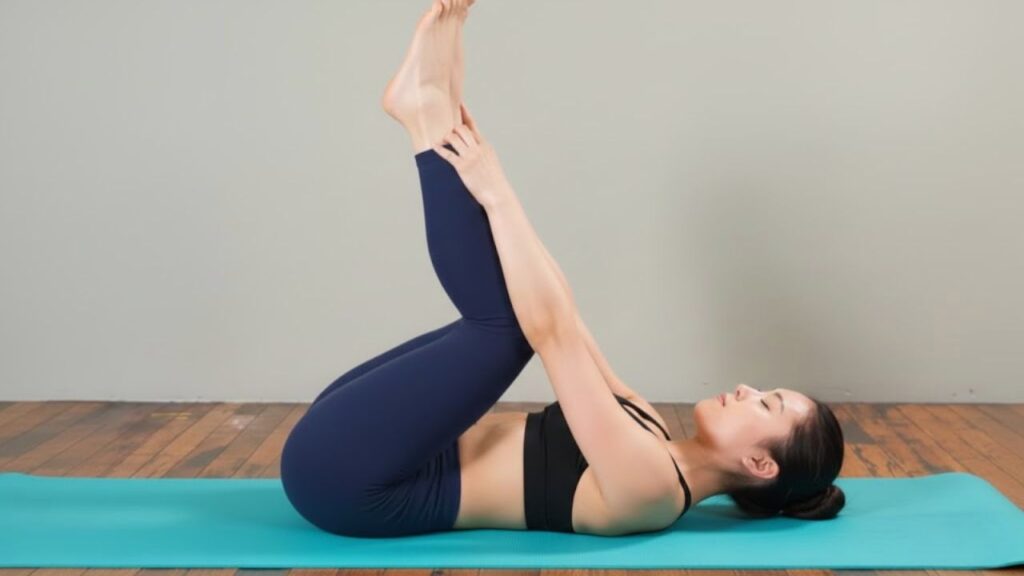
Lie flat on your back with both knees bent and feet on the floor. Place your right ankle over your left thigh just above the knee, allowing the right knee to open outward. Reach behind your left thigh and gently pull the leg toward your chest. You should feel a stretch through the hip and glute. Hold for one to two minutes, then switch sides and repeat.
Benefits of Reclined Figure Four Pose
This stretch helps release tight hip and glute muscles that build tension from sitting or daily activity. By allowing these muscles to lengthen and relax, overall lower body comfort improves with regular practice.
Quick Overview of Evening Hip-Opening Poses
- Butterfly Pose: Beginner level, targets inner thighs and groin, hold for 1–2 minutes
- Pigeon Pose: Intermediate level, focuses on hip flexors and glutes, hold for 30–60 seconds
- Garland Pose: Beginner to intermediate, opens hip joints and thighs, hold for 30–90 seconds
- Reclined Figure Four: Beginner level, stretches outer hips and glutes, hold for 1–2 minutes
Simple 15–20 Minute Evening Yoga Routine
- Butterfly Pose – 2 minutes
- Garland Pose – 1 minute
- Pigeon Pose – 1 minute per side
- Reclined Figure Four – 2 minutes per side
- Finish with relaxed breathing in a resting position
Safety Tips for Evening Hip Yoga
- Move slowly and mindfully
- Never force the body into discomfort
- Use props for support when needed
- Stop immediately if you feel sharp pain
- Practice on a light or empty stomach